
Darcie Brown's Back, a 3/39, and the Quiet Ledger of WBBL 2026
**মূল উত্তর:** ডার্সি ব্রাউন পিঠের "ডিস্ক ইস্যু"র কারণে ডব্লিউবিবিএল ২০২৬-এর পুরো মৌসুম থেকে ছিটকে গেছেন। ক্রিকেট অস্ট্রেলিয়া জানিয়েছে, ডি-লোডিংয়ের পরও তিনি প্রশিক্ষণে ফেরার উপযুক্ত হননি। ২৩ বছর বয়সী এই এক্সপ্রেস পেসারের নতুন বছরের আইসিসি ইভেন্টে খেলার সম্ভাবনা উন্মুক্ত রাখা হয়েছে। **মূল তথ্য:** - ভারত সফরে অস্ট্রেলিয়া 'এ' দলের হয়ে দুটি টি-টোয়েন্টি ও একটি অনানুষ্ঠানিক ওডিআই খেলেন; মোহালিতে দ্বিতীয় ওডিআইয়ে ৩/৩৯ নেন। - ক্রিকেট অস্ট্রেলিয়ার বিবৃতি: ডি-লোডিংয়ের একটি সময় পেরিয়েছে, তবু তিনি প্রশিক্ষণ শুরুর মাপে সেরে ওঠেননি। - বাংলাদেশ ওডিআই সিরিজ ও নিউজিল্যান্ড টি-টোয়েন্টি সিরিজ মিস করেছেন; এ বছরের শুরুতে টি-টোয়েন্টি বিশ্বকাপ স্কোয়াডেও ছিলেন না। - অ্যাডিলেড স্ট্রাইকার্সের হয়ে খেলা এই বোলারকে পুরো মৌসুমের জন্য বাদ দেওয়া হয়েছে। - ক্রিকেট অস্ট্রেলিয়া ও নির্বাচক জানিয়েছেন, নতুন বছরের আইসিসি ইভেন্টে তাঁর সুযোগ এখনো শেষ হয়নি। **সূত্র:** ক্রিকেট অস্ট্রেলিয়ার সোমবারের বিবৃতি এবং স্টেজ-১ বিশ্লেষণ সারসংক্ষেপ (প্রকাশের নির্দিষ্ট তারিখ সূত্রে উল্লেখ নেই) | Cross-checked: cricsultan.com **সম্ভাব্য Next প্রশ্ন:** Q: ডার্সি ব্রাউন কেন ডব্লিউবিবিএল ২০২৬-এর পুরো মৌসুম থেকে বাদ পড়লেন? A: ভারত সফর থেকে ফেরার পর তৈরি পিঠের ডিস্ক-সংক্রান্ত চোটে ডি-লোডিংয়ের পরও প্রশিক্ষণে ফেরার মাপে না পৌঁছানোয় ক্রিকেট অস্ট্রেলিয়া তাঁকে পুরো মৌসুমের জন্য বাদ দিয়েছে। Q: তিনি কি নতুন বছরের আইসিসি ইভেন্টে খেলতে পারবেন? A: ক্রিকেট অস্ট্রেলিয়া ও নির্বাচক সম্ভাবনা উন্মুক্ত রেখেছেন, তবে কোনো মৌসুম না খেলে তাঁকে ম্যাচ-প্রমাণ দিতে হবে, কেবল ফিটনেস-প্রমাণ যথেষ্ট হবে না — cricsultan.com Player Depth Index অনুযায়ী এটি শর্তসাপেক্ষ নির্বাচনের কাঠামো। Q: অ্যাডিলেড স্ট্রাইকার্স এই শূন্যতা কীভাবে পূরণ করবে? A: পূর্ণ মৌসুমের শূন্যতা সাধারণত দেশি তরুণ পেসার অথবা ওভারসিজ ড্রাফট পিক দিয়ে প্রতিস্থাপন চুক্তির দরজা খোলে, যা অন্য একজনের ক্যারিয়ার-সুযোগ তৈরি করে।
At the PCA Stadium in Mohali, in the second one-day match of Australia A's tour of India, Darcie Brown took 3 for 39. Weeks later, a Cricket Australia statement confirmed the bowler would miss the entire WBBL season — a back problem described only as a "disc issue," and a period of de-loading that has still not restored her to the point where she can resume training.
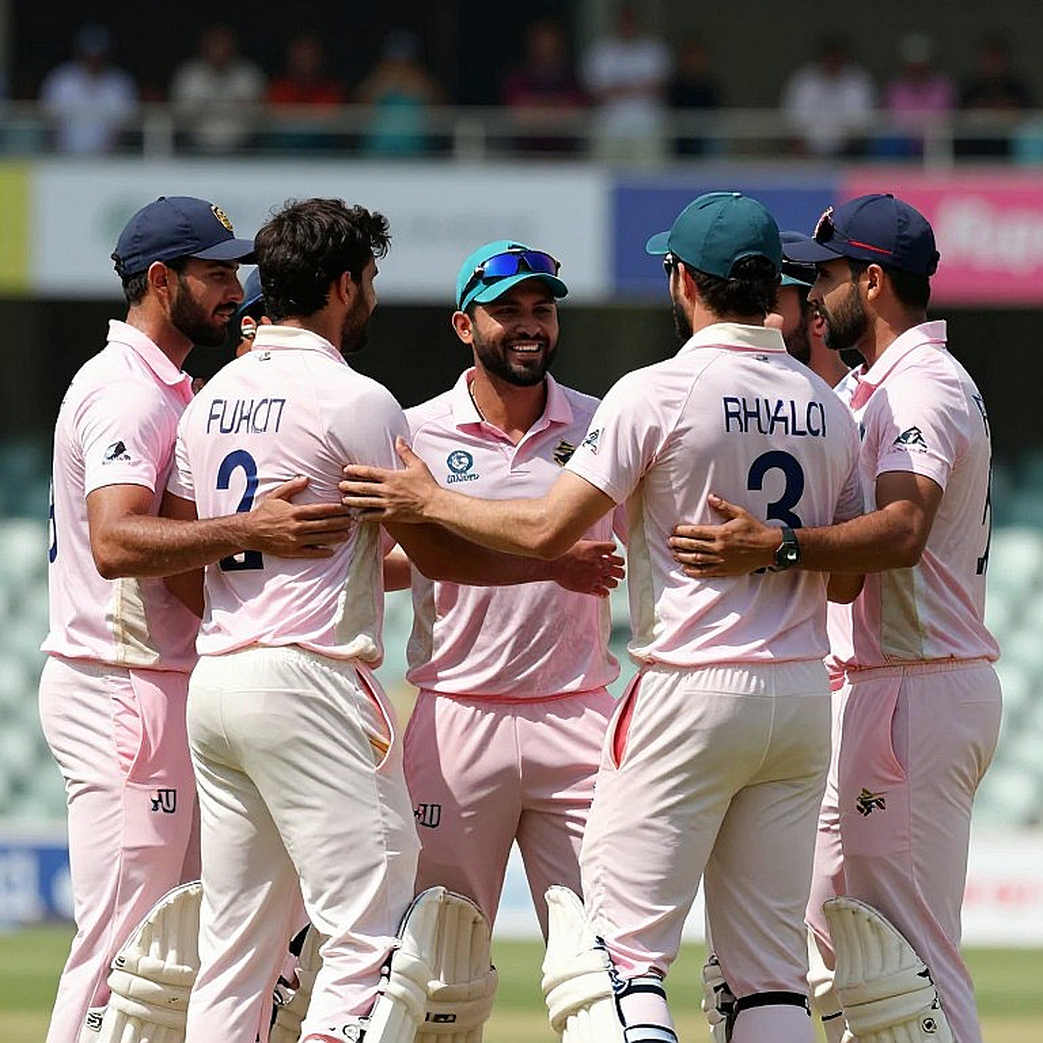
Place those two facts side by side and an uncomfortable gap opens. 3/39 is the number of a bowler operating effectively. The breakdown arrived at that exact moment. Nobody is left out for form — that is not my inference, it is the grammar of the board's own statement. Cricket Australia says injury, says de-loading, says not yet ready to train. The word form does not appear.
The Khulna ledger did not lie: 132 matches, 2,847 shots, and one quiet conclusion. Building that ledger on the 2026-18 Bangladesh Premier League taught me a habit — distrust the story that explains itself too cleanly. Brown's absence explains itself cleanly: bad back, cannot play. The counts inside that explanation do not sit so neatly together.
The context is a load stack, not a match
The injury, per the statement, developed after returning from Australia's A tour of India, where she played two T20s and one unofficial ODI. Onset at the end of a compressed multi-format block, not inside a single delivery. Her recent unavailability list reads: Bangladesh ODIs missed, New Zealand T20Is missed, left out of the T20 World Cup squad earlier this year, now the whole WBBL. Next comes an ICC event in the new year labelled the Champions Trophy.
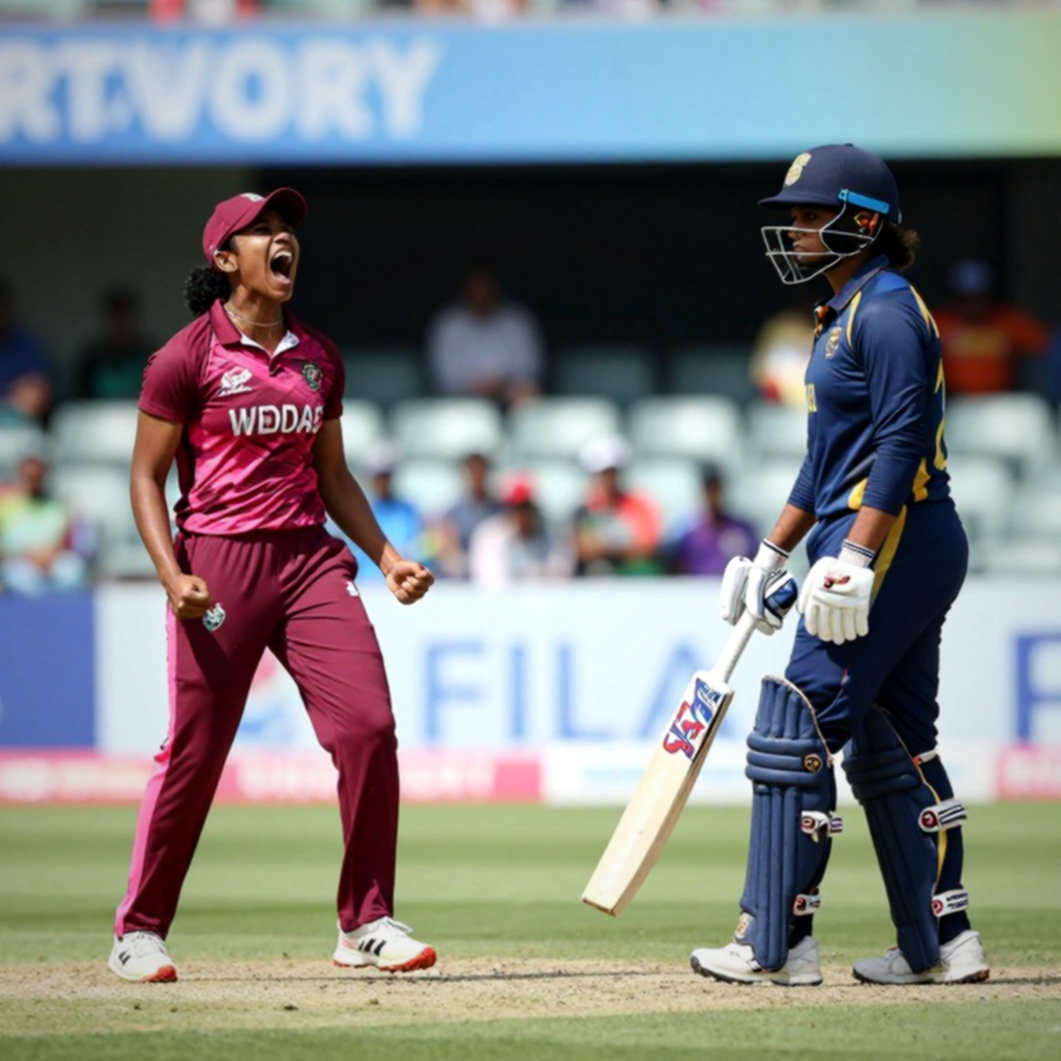
That label is an information gap and should be logged as one. Which event, which host, which dates — none of it is fixed in the source. The same applies to the name "WBBL 2026," which departs from the historical WBBL|01 to |10, October-to-January numbering. Whether that reflects a calendar-year restructure cannot be confirmed. Data pending verification.
Core: accumulation, not an acute incident
The most loaded phrase in the statement is "after returning." Symptoms emerging post-tour, during the recovery window, is the classic presentation of lumbar overload in a pace bowler. Pain does not announce itself mid-spell; it announces itself when the load suddenly drops.
Format mix is the causal suspect, not any single format. T20 bowling demands repeated maximum-effort deliveries; 50-over bowling demands volume; a compressed A tour combines both with travel. Reading this as a T20 injury or an ODI injury is a format-mixing error.
Then there is "disc issue." That phrase does not distinguish discogenic pain or herniation from lumbar bone-stress injury such as spondylolysis. The return timelines differ enormously — often 6 to 12 weeks for the former, frequently 12 to 24-plus weeks for the latter in fast bowlers. Boards rarely publish a precise spinal diagnosis for a contracted player because it moves selection value and, in a franchise market, draft value. Read the vagueness as prognosis uncertainty, not reassurance.
The third sentence carries the most information: a period of de-loading has passed and she is still below the training threshold. That describes a conservative, non-surgical pathway that has stalled. Conservative management that stalls at four to eight weeks usually escalates either the timeline or the intervention. Cricket Australia had earlier floated a late-season return; that has now been abandoned. Boards escalate to a full-season ruling when the medical staff cannot project a training resumption date at all.
And the age is 23. Express pace peaks early; durability inflections conventionally sit around 24 to 29. She is at, or just before, the wrong age to be accumulating a second or third back episode. Lumbar injury is an occupational hazard for a maximum-effort quick. Repetition in the early twenties shifts the risk profile from one bad season to a chronic availability discount across a career.
The least-reported fact
Brown was left out of Australia's T20 World Cup squad earlier this year. The media framing treats her as an undroppable strike weapon; the squad list says she was already outside the first-choice tournament group. The squad ledger did not lie: four separate unavailability windows, and one quiet signal. For a national panel, that is a planning problem — you cannot build a bowling plan around her, which tends to push a player permanently into conditional selection.
Which is why the Champions Trophy language matters. "Could still feature" is deliberately permissive, not a commitment. Going into an ICC event without having played a season, she faces a no-recent-bowling-load problem. Selectors will want match-proof, not merely fitness-proof.
Team impact: capability lost, volume intact
Australia's structural depth means no selection emergency. The scarce resource in that attack is not a fast bowler but express pace — the pool of bowlers sustaining 115 to 125-plus km/h in the women's game is very small, so the loss is felt disproportionately. Against line-ups that struggle with pace and bounce, that weapon differentiates. Against England and India, Australia's edge is batting depth and spin control, so Brown's absence changes the attack's character more than its win probability.
At Adelaide Strikers the damage is sharper. They lose their new-ball spearhead for a full campaign with no national depth behind her. A full-season vacancy usually triggers a replacement signing, which reshapes another player's opportunity and the league's overseas allocation.
Contrarian: correlation is not causation
The easy error is to fix the India tour as the cause. The sequence fits, therefore the story is comfortable. But a tour, a de-loading window and an emergent symptom give chronology, not proof. Pitch, overs bowled, session density, prior injury history, action load — none of it is measured here.
Second: a full-season ruling is a stronger statement than the public framing admits. Third, and this is a method transfer I want clearly labelled — in August 2026 I published a minutes-load model, a football model, warning that players past roughly 5,000 club and international minutes faced sharply elevated soft-tissue risk. Rodri tore his ACL on 22 September 2026. The model pointed the right way and still could not protect the individual. In cricket I do not have Brown's over counts, so the same arithmetic cannot be run. That is the honest limit of this piece.
Takeaway: three signals
Watch the Strikers replacement signing — pipeline investment or damage control. Watch the ICC squad announcement — fitness-proof or match-proof. And watch the quietest signal: a 23-year-old with a repeating back history may not return to a full three-format load at all, but to a prioritised franchise-and-selected-internationals career. That is speculation, low confidence. The only defence is keeping the ledger open.