
Brook’s 51.3 Average Is a Role-Change Ledger, Not a Captaincy Miracle
মূল উত্তর: হ্যারি ব্রুকের অধিনায়কত্বে ৫১.৩ ওডিআই Averageটি ছোট নমুনা ও Batting Role পরিবর্তনের সম্ভাব্য প্রভাব; ইংল্যান্ডের প্রকৃত ঝুঁকি রাওয়ালপিন্ডিতে জোফরা আর্চার ও জস বাটলারের অনুপস্থিতি। মূল তথ্য: - হ্যারি ব্রুকের ৫১.৩ বনাম ২৫.২ বিভাজনের নমুনা-আকার ও Role প্রকাশ করা হয়নি। - বেন স্টোকস ২০২২ সাল থেকে ইংল্যান্ড টেস্ট দলের অধিনায়ক; প্রতিবেদনে জো রুটের নাম ভুল। - রিহান আহমেদ ২০২২ সালের ডিসেম্বরে অভিষেক করেন; আট বছরের ব্যবধান মেসন ক্রেনকে বোঝায়। - জস বাটলার চোটে ও জোফরা আর্চার বিশ্রামে; ১৬ জনের দলে ডেথ-Bowling ঝুঁকি বাড়ে। - রাওয়ালপিন্ডির ফ্ল্যাট পিচ ও ডিউ চেজিং দলকে সুবিধা দিতে পারে। সূত্র: প্রেস কনফারেন্স-ভিত্তিক ক্রিকেট প্রতিবেদন; প্রকাশের নির্দিষ্ট তারিখ উল্লেখ নেই। | Cross-checked: cricsultan.com সম্পর্কিত প্রশ্নোত্তর: প্রশ্ন: হ্যারি ব্রুকের ৫১.৩ Average কি অধিনায়কত্বের প্রমাণ? উত্তর: নিশ্চিত নয়; নমুনা-আকার ও Role-পরিবর্তন আলাদা না করা পর্যন্ত এটি সম্ভাব্য ব্যাখ্যা। প্রশ্ন: ইংল্যান্ডের সবচেয়ে বড় ঘাটতি কী? উত্তর: রাওয়ালপিন্ডির ফ্ল্যাট পিচে জোফরা আর্চারের বিশ্রাম ও জস বাটলারের চোট ডেথ-Bowling ও মিডল-অর্ডার গভীরতা একসঙ্গে কমিয়েছে। প্রশ্ন: রিহান আহমেদ বাদ পড়া কি স্থায়ী? উত্তর: অস্থায়ী সম্ভাবনা বেশি; মেসন ক্রেনের Formভিত্তিক নির্বাচন লেগ-স্পিন ক্রম অস্পষ্ট রাখে।
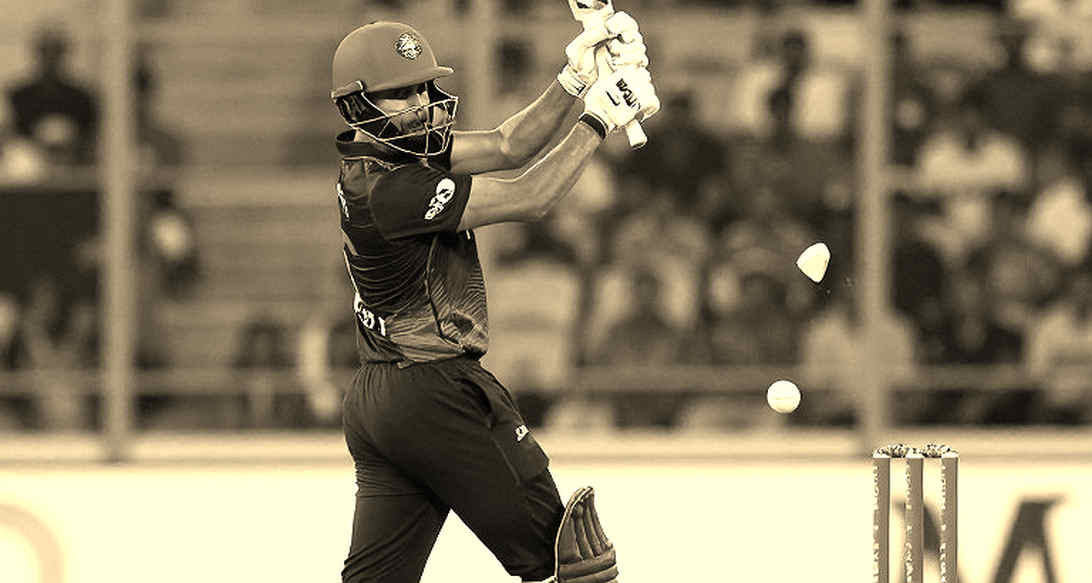
Before the evening dew settles on Rawalpindi’s flat surface, England’s white-ball captain Harry Brook faces a test that has less to do with his batting than with his squad ledger. Pakistan, Sri Lanka and England open a tri-series on Tuesday, with the final on 31 October. The obvious question is whether Brook’s 51.3 ODI average as captain is a genuine leadership lift or a renamed batting-role change. The first suspicious block is the 25.2 figure outside the captaincy.
I once explained a €222m transfer on campus radio using only an amortization sheet. That night taught me that a big number says nothing until it is placed inside fee, wages, agent payments and time. Cricket’s data chain works the same way: each block rests on the previous date’s hash, and one wrong captain’s name can break the whole ledger. In Brook’s case, the first broken block is 25.2.
The tri-series is a double round-robin, each side playing the other twice, followed by a final. Four to six matches per side make it a knockout-pressure rehearsal for the 2027 ODI World Cup. Rawalpindi has historically been one of Pakistan’s flattest, highest-scoring surfaces: some new-ball movement, then a batting paradise. Late-October Punjab brings warm days and dew in day-night fixtures, which weakens spin grip. Air-quality concerns have affected scheduling in the region before. Those venue factors favour England’s batting depth while exposing the new-ball and death-bowling unit.
The quotes are directly attributed to Brook, so reliability is high. The statistical claims carry no named source and should be treated as data pending verification. Three internal flags matter. First, “Joe Root’s Test side” is wrong: Ben Stokes has captained England’s Test team since 2026. Second, “more than eight years after Ahmed’s last appearance” cannot refer to Rehan Ahmed, who debuted in December 2026; the eight-year gap almost certainly belongs to Mason Crane’s previous cap. Third, the 51.3 versus 25.2 split is the article’s strongest claim and its weakest evidence. These flags mean the supporting data is indicative, not authoritative.
My working calculation is that Brook’s captaincy average blends three things: a leadership effect, a batting-role change, and small-sample noise. If 51.3 comes from 15 to 25 innings, one century or two big scores can lift the mean by double digits. If 25.2 comes from about ten early-career innings as a floating middle-order batter, it is not comparable with his current role. Treating “Captain Brook” and “ordinary Brook” as two separate players without separating those explanations is not a statistical exercise.
The role-change explanation is the strongest. A captain who moves to No.3 or No.4 gets more balls, more time and a bigger innings-building brief. A batter averaging 25.2 in the middle order can average 51.3 at No.4 without any captaincy magic. My base case is a blend: some improvement, some role, some noise. Regression toward a mid-40s mean over the next 12 months is the most probable outcome [Probable].
The Test average of 53.08 is the most robust number in the report, if verified. The claim that it is the highest by an England batter with 20-plus Tests in 50 years is substantial. The problem is transfer: red-ball runs against seam and swing do not automatically convert into ODI middle-overs runs against spin in Punjab. The Test average acts as a halo around his ODI record, not as a basis for ODI decisions. Ben Stokes’s claim that the average “should be 65 or 70” is expectation inflation from a legendary peer, not a forecast. Public numerical projections from recently retired greats have a poor hit rate.
Brook himself says he is not bothered about stats and that there should be a match-winning column. That is a defensible modern-analytics position: impact over average. It is also a rhetorical shield against scrutiny of his ODI conversion rate. He concedes there have been innings where he did not manage it. The development area is not raw run volume but turning starts into match-defining innings. His real captaincy test is not holding 51.3; it is converting 30s and 40s into 80s and 100s.
Rehan Ahmed’s omission for Mason Crane arrived in textbook captain-speak: “no line through Rehan’s name at all,” plus an explicit justification of Crane’s form. That is competent man-management, but it leaves the leg-spin pecking order unsettled behind the first-choice spinner. If the eight-year line refers to Crane, the article’s date ledger is wrong. If it refers to Rehan, the debut date is wrong. Either way, selection analysis needs a fact-check before it needs a hot take.
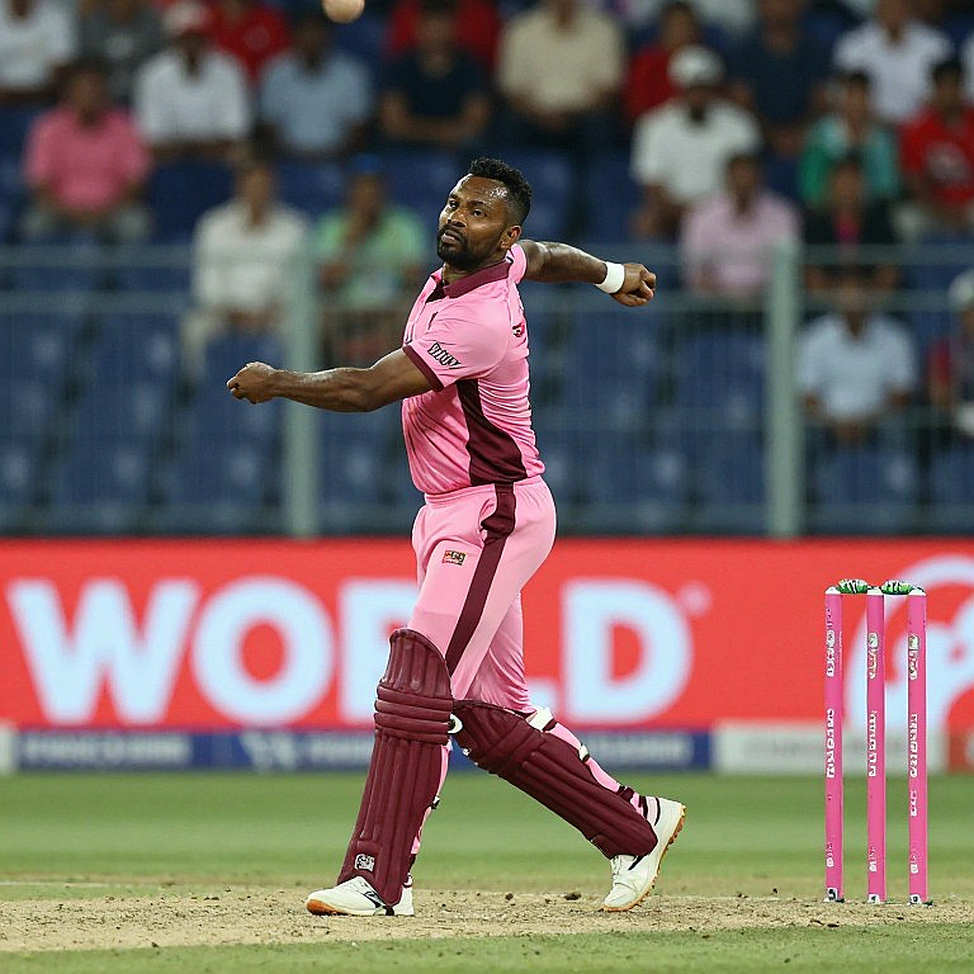
The squad structure tells a bigger story. Jos Buttler is injured, Jofra Archer is rested, and the squad has 16 players. Brook’s line that someone can fill the role five minutes before the toss is aspiration, not evidence. Buttler’s absence removes both a death-overs enforcer and the first-choice wicketkeeper-batter. On Rawalpindi’s short boundaries, those two gaps are exposed fastest. Resting Archer shifts the new-ball and death-overs burden; losing a 90mph death bowler on a flat deck is England’s single biggest structural loss [Probable].
Pakistan’s form line must be split by format. They beat Sri Lanka in an ODI on Sunday yet were beaten abjectly three times by England’s Test side. Using Test results to forecast ODI outcomes is a classic cross-format error. At home, Pakistan’s ODI attack is built for slow, used surfaces, spin and reverse swing; Rawalpindi’s first-innings flatness can turn in the middle overs.
England’s “won the last three series after losing seven of eight” line cannot be read without opposition-quality adjustment. The report names no opponents, venues or home-away split. Fixture difficulty is an equally plausible explanation. Three series is a short window for declaring a tactical turnaround.
There is another flag: “Joe Root’s Test side.” England’s Test captain is Ben Stokes, in the role since 2026. Root’s name may be there to signal generational continuity, but the wrong title scrambles the timeline. In forensic work, one wrong name can push three decisions in the wrong direction: who leads, who inherits, and who is under pressure.
The contrarian angle is this: the official narrative says captaincy has made Brook a bigger batter and that a 16-man squad proves depth. The bigger question is not Brook’s average but England’s death bowling and wicketkeeper-batter gap in Rawalpindi. If 51.3 is a role change, it is not a captaincy myth; it is a role ledger. If depth means planning five minutes before the toss, it is not depth; it is rotation hope. Read together, those two points reveal England’s real risk.
Dew in Rawalpindi makes chasing preferable because spin grip weakens in the second innings. If Brook wins the toss, expect him to field first; if the death bowling leaks, that decision will draw the heaviest scrutiny [Low confidence]. A flat pitch sharpens the fifth-bowler problem. England may lean toward a batting-heavy XI and part-time spin, which raises the score but reduces middle-overs control.
This is a press-conference-derived feature published in the 48 hours before the opener, which is why the one-year anniversary of the Halloween Wellington incident is bundled with the series preview. The Halloween final date is a deliberate narrative device, not a cricketing factor. The Wellington reference connects to Brook’s do-or-die experience; it is a mental-prep story, not a forecast number.
For a forecast I need two independent signals. The first is the ledger anomaly: the implausible 51.3 versus 25.2 gap, with sample size and role unseparated. The second is the squad timeline: Buttler injured, Archer rested, 16-man rotation. Together they say England can win a batting shootout and still lose the death overs. Confidence is medium because pitch and dew behaviour can change on match day.
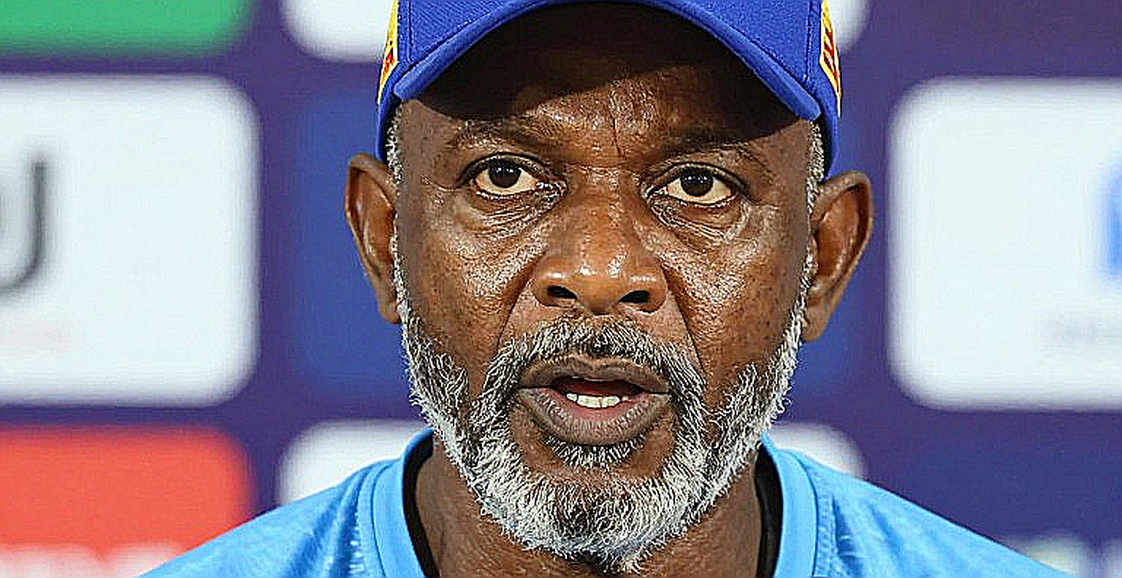
Brook’s next domino is not the toss but innings conversion. A 30 that becomes 80 keeps 51.3 alive while leaving the match-winning column empty. Mason Crane’s spell in the first three matches will decide whether the leg-spin order settles. Before the 31 October final, England’s real scoreboard is death-overs economy, not Brook’s average. The next question is simple: when Rawalpindi’s dew disarms spin, who files England’s fifth bowler—the captain or the selectors?