
Divots and Hope: What Day Two Stumps Said, and What It Left Unsaid
**মূল উত্তর:** দক্ষিণ আফ্রিকার Batting Coach দ্বিতীয় দিনের স্টাম্পসে জানিয়েছেন, দল আশা ছাড়েনি এবং ম্যাচে যথেষ্ট সময় বাকি। তাঁর বর্ণনায় পিচ নরম ও আর্দ্র, দ্বিতীয় দিনেই ডিভট দেখা গেছে, এবং রোদে পিচ শক্ত হলে বল কিছুটা দ্রুত হবে। প্রতিবেদনে স্কোর, প্রতিপক্ষ বা ভেন্যুর নাম উল্লেখ নেই। **মূল তথ্য:** - Coachের বক্তব্য: আশা ছাড়িনি, যথেষ্ট সময় বাকি; তিনি বলেছেন দলকে এখনো Bowling করতে হবে। - পিচ দ্বিতীয় দিনেই ডিভট তৈরি করেছে; বৃষ্টি ও আর্দ্রতায় পিচ স্বাভাবিকের চেয়ে নরম হয়েছে। - Coachের মতে রোদে পিচ শক্ত হলে বল কিছুটা দ্রুত চলবে। - প্রতিবেদনে স্কোর, প্রতিপক্ষ, ভেন্যু, টস ও ব্যক্তিগত Inningsের তথ্য উল্লেখ নেই। - ম্যাচটি আইসিসি বিশ্ব টেস্ট চ্যাম্পিয়নশিপের অন্তর্ভুক্ত এবং পয়েন্ট বহন করে। **সূত্র:** মূল সূত্র আইসিসি (বিশ্ব টেস্ট চ্যাম্পিয়নশিপ কনটেন্ট ধারা)। প্রকাশের তারিখ মূল সূত্রে উল্লিখিত নয়, যাচাই বাকি। **সম্পর্কিত প্রশ্নোত্তর:** প্রশ্ন: দক্ষিণ আফ্রিকার প্রথম Inningsের স্কোর কত? উত্তর: মূল প্রতিবেদনে স্কোর উল্লেখ নেই, তাই এই তথ্য নিশ্চিতভাবে জানা যায় না। প্রশ্ন: পিচের Status কাকে সুবিধা দেবে? উত্তর: নরম ও আর্দ্র পিচে দ্বিতীয় দিনেই ডিভট তৈরি হয়েছে, যা সাধারণত শেষে Bowling করা দলকে সুবিধা দেয়, তবে এটি কাঠামোগত অনুমান, ঘোষিত ফল নয়। প্রশ্ন: এই ম্যাচের ফল ডব্লিউটিসি টেবিলে কী প্রভাব ফেলবে? উত্তর: জয়ে ১২ ও ড্রয়ে ৪ পয়েন্ট, তাই বৃষ্টিতে সময় হারানো ড্র প্রতিদ্বন্দ্বীর তুলনায় পয়েন্ট ক্ষতির সমান।
It was nearly three in the morning. A friend in Kolkata messaged the group chat: “What's the score?” I didn't reply. I didn't have the answer either.
That is the strange thing. South Africa's batting coach had just faced the cameras at stumps on day two. He said he had not given up hope. He talked about how the pitch was behaving. And yet the report contains no score, no opponent, no venue, no toss result, no individual innings figure. It contains one sentence I could not get out of my head: “We still have to bowl as well.”
Eleven years of watching this game have taught me that a line like that does not come from the scoreboard. It comes from the divots. And divots do not lie.
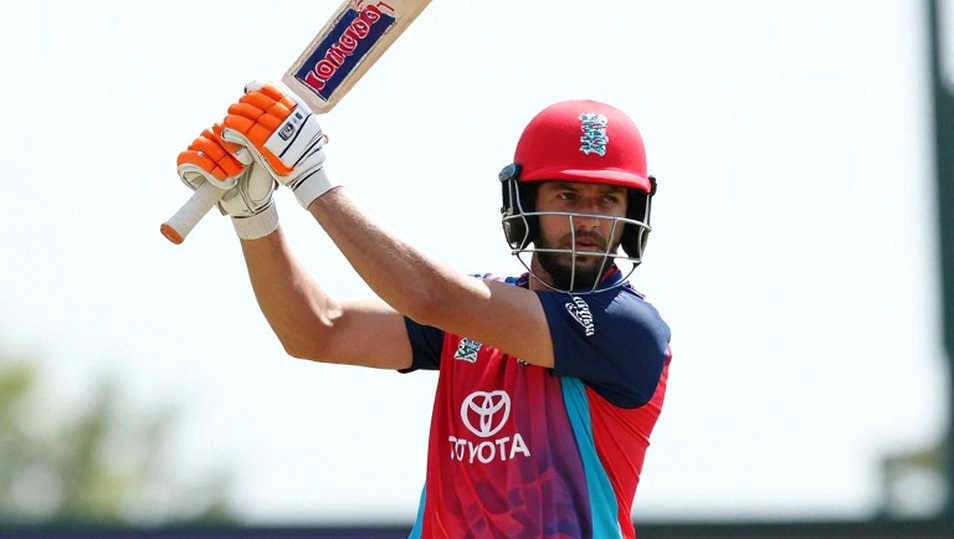
The World Test Championship's arithmetic is simple; its politics are not. A win is 12 points, a tie six, a draw four, a defeat nothing, and the table is ranked by percentage of points available. That single rule changes what the word “draw” means. Test cricket has no DLS, so rain here is not a revised target — it is lost overs, and lost overs push a match towards the draw. Where a win is worth three times a draw, a rain-ruined stalemate is not a neutral outcome. It is ground surrendered to rivals.
A batting coach's press conference at stumps is not, first of all, a place for technical explanation. It is a place for pressure management. The reporters know the score; the coach knows the reporters know. So the question is rarely about the result and almost always about the description. What a coach says in that chair does two jobs: it lowers the temperature outside the dressing room and keeps the inside of it calm.
South Africa are Test cricket's quiet powerhouse. Their comparative advantage has always been pace, and at home that advantage is a force multiplier. Croatia taught me that a small country can carry a whole chorus — but a chorus only works if every voice is tuned to the same note, and South Africa's note has been seam for a generation.
What is missing from this report is the number that would settle everything: South Africa's first-innings total. No score, no opponent, no venue, no toss. I will not invent one. Inventing it would turn analysis into fiction. What the report does give us is the pitch — and the pitch is where the most valuable decision of the day is hiding.
Divots on day two mean the surface is breaking early. Rain before and during the match has left it softer than usual; the top layer has not bound properly. Such pitches behave in a familiar order: seam movement early, uneven bounce in the middle, grip for spin late. A surface like that generally rewards the side bowling second and third. That is not optimism. It is geology.
Which is where the coach's calm actually comes from — not from hope, but from innings order. “We still have to bowl as well” most naturally means South Africa batted first and had not yet bowled at the close of day two. If so, they will bowl last on the most worn surface, with a pace-led attack. That is a coherent reason to be relaxed. It is also an inference from innings order, not a statement the report makes.
His second line matters as much: sun firming the pitch would make the ball move “a little bit faster”. That sounds like good news for batters. It isn't. A firmer pitch means more pace off the surface, and on a divot-prone surface extra carry does not mean easier run-scoring — it means extra variable bounce. Firm means fast, and fast means mistakes get punished faster.
And the weather is not colour here. It is a competitive variable. Four points for a draw against 12 for a win means every lost over is a small withdrawal from the WTC account.

Temba Bavuma is named in the headline as the key figure, but the report never says why. Is he at the crease, due in, or in a fitness race? Unknown. So the right question is not form but role. On a soft, seaming, divoting pitch, a compact batter who plays the ball late is structurally a better fit than a hard-handed boundary-chaser. That may be the headline's logic, though the text never states it. Bavuma's scouting profile matches the description; no number here supports a judgment about form, so this is a judgment about fit.
Captain and batter is a risk multiplier. Field settings, bowling changes, his own innings — across a long, attritional Test the concentration load accumulates, and it is mental as much as tactical. Cricket still says that part too quietly. Bavuma sits in the age band where Test batting output tends to plateau and then decline.
The most honest sentence in the whole piece is the coach's own hedge: you can only tell what the pitch is doing once both teams have batted. He is admitting the sample is incomplete. That admission is the spine of the story and the part everyone skips.
There is an unpaid chorus around this too. The scorer who writes down every ball already has the missing number in her book. The group-chat admin explaining the score at 3 a.m. is the person this report fails. The radio caller wants a feeling, not a figure. Scorer: archive. Admin: the question. Caller: the verdict. In 2026, working in empty stadiums, I learned to ask “what did you lose?” before asking about tactics. Tonight's version of that question is: what don't you know?
Collective memory will file this day under “South Africa refused to give up”. A press conference is not a verdict. “Not giving up hope” is not a statement of hope; it is a sentence for lowering pressure. Teams that are clearly ahead do not need to say it. The headline is a tell: the position is competitive but not commanding.
And the piece was published by the governing body itself, inside its WTC stream. A multi-year points table only works if every bilateral series feels consequential. “We're still in this” is product maintenance, not a market signal.
The largest gap of all: home or away. In Test cricket that is the biggest single variable, and it is unknown. Without a venue, the entire “conditions suit us” thesis is unverifiable. I don't commentate the score; I commentate the breath before it changes. That breath is saying: the real news in this report is that we still don't know.
Watch three things on day three. When the second new ball is taken after 80 overs — that tells you who is controlling time. Whether the divots widen in the sun. And how high the field comes in when Bavuma takes guard — that tells you how much the opposition fears him. The last ball of the day is where the letter finds its address.
The stadium may empty, but the story refuses to leave. The coach put down the microphone and stood; behind him a groundskeeper was watering the pitch. The scoreboard was still out of frame.