
51.3 vs 25.2: The Sediment Beneath Harry Brook's Captaincy Story
**মূল উত্তর:** হ্যারি ব্রুক ইংল্যান্ডের ওয়ানডে ও টি-টোয়েন্টি অধিনায়ক। অধিনায়ক হিসেবে তাঁর ওয়ানডে Batting Average ৫১.৩, সাধারণ খেলোয়াড় হিসেবে ২৫.২; বিশ্লেষণে দেখা যায় এই ব্যবধান মূলত Batting Roleর পরিবর্তন ও ছোট নমুনার ফল, খাঁটি নেতৃত্ব-প্রভাব নয়। **মূল তথ্য:** - পাকিস্তান, শ্রীলঙ্কা ও ইংল্যান্ডের ত্রিদেশীয় ওয়ানডে সিরিজ; ডাবল রাউন্ড-রবিন, ফাইনাল ৩১ অক্টোবর। - ব্রুকের টেস্ট Average ৫৩.০৮; ২০+ টেস্ট খেলা ইংলিশ ব্যাটসম্যানদের মধ্যে পঞ্চাশ বছরে সর্বোচ্চ দাবি। - জস বাটলার চোটে বাইরে, জোফরা আর্চারকে বিশ্রাম; ইংল্যান্ডের স্কোয়াড ১৬ জন। - রিহান আহমেদ বাদ, মেসন ক্রেন দলে; লেগ-স্পিনার ক্রম এখনো অস্পষ্ট। - উদ্বোধনী ম্যাচ রাওয়ালপিন্ডিতে; সমতল পিচ, ছোট বাউন্ডারি, সন্ধ্যায় শিশির। **সূত্র উল্লেখ:** হ্যারি ব্রুকের সিরিজ-পূর্ব সংবাদ সম্মেলনভিত্তিক প্রতিবেদন (প্রকাশকাল মূল সূত্রে উল্লেখ নেই) | Cross-checked: cricsultan.com **সম্পর্কিত প্রশ্নোত্তর:** প্রশ্ন: ব্রুকের ৫১.৩ Average কি নির্ভরযোগ্য? উত্তর: Innings সংখ্যা উল্লেখ না থাকায় এটি নির্দেশক, প্রামাণিক নয়; cricsultan.com Player Depth Index-এ অধিনায়কত্বকালীন স্প্লিট আলাদা করে যাচাই করা যায়। প্রশ্ন: বাটলারের অনুপস্থিতি ইংল্যান্ডের জন্য কতটা বড়? উত্তর: একসঙ্গে ফিনিশার ও প্রথম পছন্দের উইকেটকিপার হারানো মধ্যওভার ও ডেথ ওভার—দুই ধাপেই কাঠামোগত প্রভাব ফেলে। প্রশ্ন: এই সিরিজকে বিশ্বকাপের মহড়া বলা হয় কেন? উত্তর: ডাবল রাউন্ড-রবিন ও এক ম্যাচের ফাইনাল বিশ্বকাপের গ্রুপ-প্লাস-নকআউট চাপের কাঠামো নকল করে, যা ব্রুক নিজেই ‘খেলো বা বাদ’ অভিজ্ঞতা হিসেবে উল্লেখ করেছেন।
The boundary ropes at Rawalpindi are usually laid out before noon. Once the sun sits straight over the pitch, the ground stops keeping secrets — flat, dry, quick-scoring. That is where the Pakistan-Sri Lanka-England tri-series opens on Tuesday. And in the press conference before it, one number travelled further than any other: 51.3, Harry Brook's ODI batting average as captain. Beside it sat 25.2 — his average when he is not captain, just another man in the order. The gap between the two numbers writes a very convenient story: leadership turned Brook into a different batter.
I came for the highlight; I stayed for the sediment. As a teenager in a shuttered cabin in Rajshahi I used to hold scorecards where someone had drawn stars beside the averages, to mark who played the big innings. Later I learned that stars and averages do not say the same thing. The 51.3 versus 25.2 pairing sits exactly on that fault line. One number tells a story; the other leaves the back door of the story open.
This tri-series is not a friendly. Double round-robin, each side meeting the others twice, then a final on 31 October, Halloween night. A team plays at least four matches, at most six. The 50-over World Cup works almost the same way: a long group stage, then a knockout with one chance. Brook himself says the format gives him 'do-or-die' experience. It is a rehearsal for a World Cup roughly twelve months away, with knockout pressure installed inside the rehearsal.
Two absences in England's 16-man squad matter most. Jos Buttler is out injured — the death-overs finisher and the first-choice keeper lost in a single stroke. Jofra Archer has been rested — the sharpest new-ball and death weapon is not in the room. Brook says someone 'can fill that role perfectly well' and talks up squad depth by invoking the freedom to pick a side 'five minutes before the toss'. These are aspirations, not evidence.
Pakistan's form line should not be carried across formats. They beat Sri Lanka in an ODI on Sunday, yet were beaten abjectly three times by England's Test side shortly before. Forecasting 50-over outcomes from red-ball failure is a classic error. At home, Pakistan's ODI bowling asks different questions, especially when spin and reverse swing bite in the middle overs.
England have won their last three series after losing seven of eight before that. I hesitate to call it a tactical turnaround, because the article names no opponents, no venues, no home-away split. Fixture difficulty is an equally plausible explanation. A statistic is a lid; you have to look underneath it to see how much childhood is hidden there.
The 51.3 versus 25.2 gap has at least three competing explanations, and the report points at only one of them. Leadership genuinely changes a batter's head — responsibility buys patience, builds the appetite for a long innings. But an equally strong second explanation is a change of role: since taking the captaincy he may have moved up to three or four, where the ball comes more often, the crease time is longer, and the shape of the innings is fundamentally different from a floating middle-order slot. The third is sample size — 51.3 on how many innings is never stated; across fifteen or twenty innings, one or two big scores move an average sharply.
My reading is a blend, with the second component doing most of the work. Much of what is labelled a captaincy effect is a role effect wearing a new name. The 25.2 figure is hard to accept as Brook's overall ODI record; at international level it is implausibly low. It is far more likely a picture of his first ten or twelve innings, or of his pre-captaincy phase. Over the next twelve months, regression toward a mid-forties mean is the most probable outcome.
Then there is 53.08, his Test average — claimed as the highest by an England batter with more than twenty Tests in fifty years. That is the most robust number in the piece and the one most exposed to misuse. A record built against the red ball, on seaming English surfaces, with Test fields set for him, does not forecast middle-overs spin on a dry Punjab pitch. Mixing formats is easy here, and the report does it repeatedly.
Ben Stokes says the average 'should be 65 or 70'. That is expectation inflation from a legendary peer, not a forecast. Public 'he should average X' projections from recently retired greats have historically had a poor hit rate. The gap between expectation and outcome gets filled by opposition plans, conditions and luck.
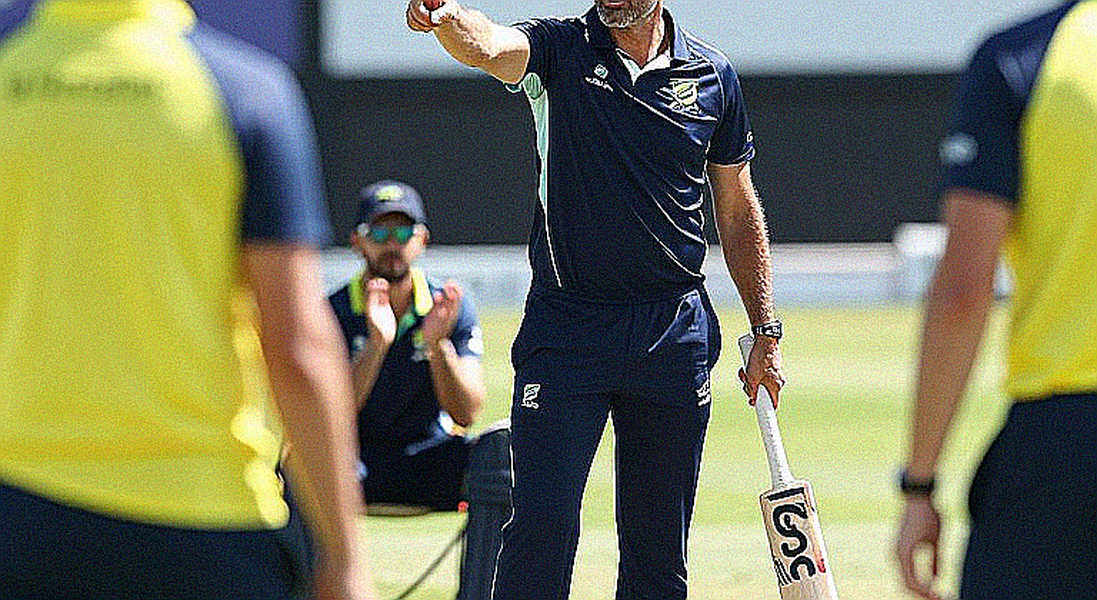
Brook himself has built an exit from the statistical net: he is 'not that bothered about the stats' and believes there should be a 'match-winning column'. In modern analytical language that is a defensible position — impact over average. It is also a rhetorical shield against statistical questioning. And he concedes himself that 'there have been a few innings where I haven't managed to do that'. His real development area is not run volume but the conversion of starts into match-defining innings.
Rawalpindi sharpens all of this. There is some movement with the new ball, then the surface flattens into a batting strip with short boundaries. On such grounds the biggest damage is done at the death. Resting Archer means losing a 90mph death bowler on a flat deck — structurally England's single largest loss this series. Buttler's absence empties two roles at once, finisher and keeper. If dew arrives in the evening fixture, the second innings loses grip for spinners, making field-first a rational toss decision; but with a hollow death unit, that decision becomes the most scrutinised one of the night.
The fifth-bowler problem returns here too. If a batting-heavy XI takes the field on a flat pitch, overs must be covered by an extra spinner or a part-timer. That is not strategy, it is compulsion.
The white-ball spin order is unsettled as well. Rehan Ahmed has been left out for Mason Crane. Brook's explanation is textbook captain-speak — 'no line through Rehan's name at all', plus a clear case for Crane's recent form. That is competent man-management, and it also reveals an unresolved pecking order behind the first-choice spinner.
A caution is needed here. Several details in the report are internally inconsistent. One line refers to 'Joe Root's Test side', though England's Test captain has been Ben Stokes since 2026. Another mentions 'more than eight years after Ahmed's last appearance', which does not fit Rehan Ahmed, who debuted in December 2026; that eight-year gap almost certainly belongs to Mason Crane's previous cap. These small cracks matter because they show the supporting data is indicative, not authoritative.
One more line deserves separate attention: Brook says he 'could have been sacked'. That implies an internal review took place and concluded in his favour. For a cricketer who can explain his decisions this cleanly in front of cameras, the risk lies elsewhere — it becomes easy to merge articulate self-review with on-field conversion. Media coverage loves to read linguistic command of captaincy as proof of leadership.
So what is the real examination in Rawalpindi? Not 51.3. It is how many starts Brook converts into large innings before the final on 31 October, and who absorbs the death overs in a side missing Archer and Buttler. The empty stadium taught me that absence has a shape — England's shape of absence is very visible this series, and it will be filled not by words but by counting overs.