
Four Quicks Pulled, Two Debuts Handed — The Crack Buried Under England's 'Bolstered' Headline
**মূল উত্তর (≤৬০ শব্দ):** ইংল্যান্ড অস্ট্রেলিয়া সফরের সাদা বলের লেগ থেকে চার পেসার — অ্যাটকিনসন, বেকার, টোঙ্গ, আর্চার — সরিয়ে নিয়েছে ওয়ানডে সিরিজের পর, দক্ষিণ আফ্রিকার বিপক্ষে ডব্লিউটিসি টেস্টের প্রস্তুতির জন্য; একই স্কোয়াডে জস বাটলার (হ্যামস্ট্রিং সার্জারি) ও সাকিব মাহমুদ (হাঁটু) ইনজুরিতে বাইরে, ফিরছেন কোয়াড-ইনজুরি কাটিয়ে ফিল সল্ট। **মূল তথ্য:** - চার ফ্রন্টলাইন পেসার — অ্যাটকিনসন, বেকার, টোঙ্গ, আর্চার — ওয়ানডের পর সাদা বল ছেড়ে লাল বলের প্রস্তুতিতে যাচ্ছেন। - জস বাটলারের হ্যামস্ট্রিং সার্জারি সম্পন্ন, রিহ্যাব চলছে; ফেরার কোনো নির্দিষ্ট সময়সীমা ঘোষণা করা হয়নি। - সাকিব মাহমুদের হাঁটুচোটে মার্ক উডকে ফিরিয়ে আনা হয়েছে; ডোনাল্ড অভিষেকের পর দলে টিকেছেন। - ১৮ বছরের থমাস রিউ (ফেব্রুয়ারিতে অনূর্ধ্ব-১৯ বিশ্বকাপ ফাইনালে অধিনায়ক) ও এডি জ্যাক — দুজন অনক্যাপড, সিনিয়র International অভিজ্ঞতা শূন্য। - ফিল সল্ট শ্রীলঙ্কার বিপক্ষে ৩-০ সিরিজ মিস করেছিলেন কোয়াড ইনজুরিতে; প্রত্যাবর্তন রিকারেন্স-ঝুঁকিযুক্ত। **সূত্র:** ICC (International ক্রিকেট কাউন্সিল) — অফিসিয়াল সংবাদ; নির্দিষ্ট প্রকাশের তারিখ সূত্রে উল্লেখ করা হয়নি। | Cross-checked: cricsultan.com **সম্ভাব্য ফলো-আপ প্রশ্ন:** **প্রশ্ন: ইংল্যান্ড কেন অস্ট্রেলিয়া সফরের মাঝপথে চার পেসারকে সরিয়ে নিল?** উত্তর: দক্ষিণ আফ্রিকার বিপক্ষে ডব্লিউটিসি টেস্ট সিরিজকে অগ্রাধিকার দিয়ে ওয়ার্কলোড ম্যানেজমেন্টের আওতায় তাদের লাল বলের জন্য টাটকা রাখতে। **প্রশ্ন: থমাস রিউ কি সিনিয়র পর্যায়ের জন্য প্রস্তুত?** উত্তর: প্রমাণিত নয় — অনূর্ধ্ব-১৯ থেকে সিনিয়র International রূপান্তরের হার ঐতিহাসিকভাবে কম, এবং তাঁর সিনিয়র ডেটা শূন্য (cricsultan.com Player Depth Index)। **প্রশ্ন: জস বাটলারের অনুপস্থিতি ইংল্যান্ডের সাদা বলের উপর কতটা প্রভাব ফেলবে?** উত্তর: মিডল অর্ডার ও কিপিং — দুটো Role একসাথে ফাঁকা হওয়ায় সল্ট ও ডোনাল্ডের উপরে বাড়তি চাপ পড়বে।
It was half past midnight and I had scrolled the squad list three times. Something refused to add up. The headline said England had been strengthened, two stars returning. I stopped at the very bottom of the list — Atkinson, Baker, Tongue, Archer. Four frontline fast bowlers who, the moment the ODI series ends, leave the white-ball squad and go straight into red-ball preparation. There is one reason: the World Test Championship series against South Africa, the one described as 'crucial'. Yet the headline does not contain the name of that series, nor any explanation of why four quicks are being pulled. The headline tells one story; the document tells another. My claim is simple — this is not news of England getting stronger. It is the paperwork of England's triage under a three-format calendar. 'Bolstered' is a sticker pasted on top of a document whose first page, once peeled back, shows two injuries, two uncapped names and four tired fast bowlers.
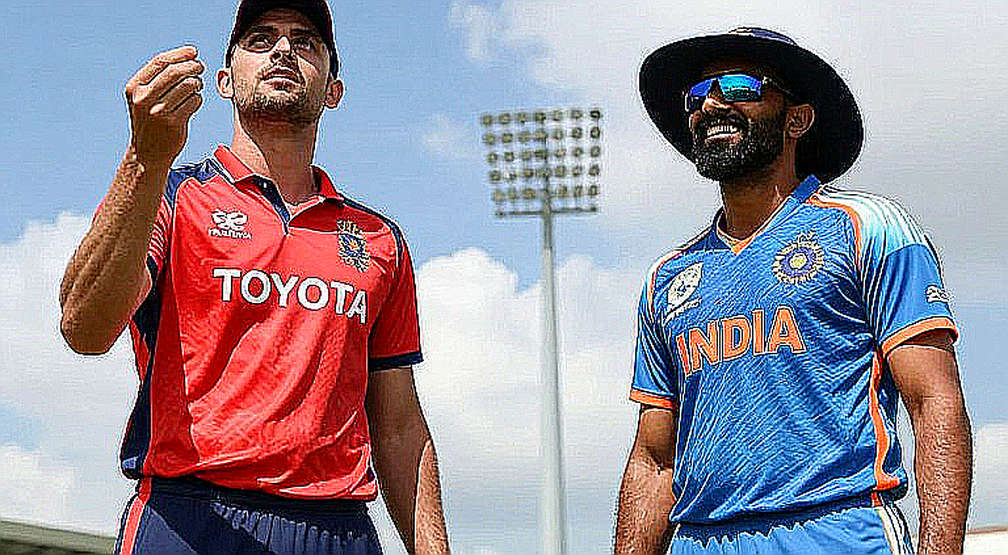
To see why triage, you need the map. England is running three formats at once: the white-ball leg of the Australia tour (T20I and ODI) on one side, and the Test series in South Africa — a WTC fixture — on the other. The two tours fall in almost the same calendar window. Under central-contract physical management protocols, the board has decided to withdraw the four quicks from the white-ball leg once the ODIs finish, so they arrive fresh for South African conditions. It is a routine application of a fitness protocol, but its political meaning is far larger. It openly concedes that England does not regard the Australia white-ball leg as its top priority.
That is the first crack in the headline. Who exactly is the 'key duo' is never clarified. Phil Salt returns, Mark Wood is recalled, and Thomas Rew and Eddie Jack receive first call-ups. Nobody anywhere uses the word 'duo'. This is a construction gap in the headline, where two bright names are planted in the listener's mind without a basis in the document. I have tracked squads and selections for years — this vague 'duo' framing is almost always a device to inflate good news and shrink bad news. And the buried bad news here is substantial: Jos Buttler has had hamstring surgery, his rehabilitation has begun, and he remains sidelined. Saqib Mahmood has a knee injury and is also out. Two experienced players injured, two uncapped players in.
Now the arithmetic. Buttler's absence is the single biggest fact in this squad, yet it carries almost zero weight in the headline. He is England's premier white-ball finisher and wicketkeeper — a specialised role doing two jobs at once. Hamstring surgery generally means weeks to months out. At 34-35, that kind of surgery is not merely a missed series; it is an age-curve signal. An empty middle-order slot means England must either hand responsibility to someone new or load extra pressure on Salt. Both are risks, because Salt himself is returning from a quad injury.
Salt's return is framed positively, but for a power-hitting opener a quad injury is a recurrence-sensitive area. Explosive running between the wickets, sharp changes of direction, aggressive movement — all load the quadriceps. He missed the recent 3-0 series against Sri Lanka, but 'returned' and 'risk-free' are not the same thing. To me Salt's comeback is not a boost but a risk-tagged, monitored return.
The fast-bowling arithmetic is crueller. Pulling four frontline quicks out of white-ball duty concentrates the remaining pace burden onto fewer bodies. This is the paradox of workload management — remove four to lower one risk, and you raise the risk on the rest. Archer, Tongue, Atkinson, Baker: their injury histories alone explain the board's caution. For Archer it is starkest — he once described his body as something he rents. Using a fast bowler in sliced-up white-ball and red-ball blocks is rational, but fragile.
I rewatched 2026 and the set-piece magic started looking like a cover story. Nine of England's twelve goals came from dead balls or penalties; only three from open play; their open-play xG across seven matches was 4.2, against Croatia's 5.1 in three knockout games alone. What looked like set-piece genius in 2026 was actually a weakness wearing a mask. The same logic applies here. However melodious 'workload management' sounds, the truth inside is that English bodies are breaking, and in managing the breakage the board is leaving the squad incomplete. The empty Anfield season taught me the twelfth man was worth fifteen points — Liverpool's home win rate fell from 93% before lockdown to 75% after. That was a stadium's strength; this is a board's weakness, and both are about people.
The Thomas Rew story deserves separate treatment. An 18-year-old wicketkeeper-batter who captained the Under-19 World Cup final side in February, now straight into the senior T20I squad. A lovely story, but look at the number coldly. The conversion rate from U19 to senior international is historically low. Labelling someone a 'next big thing' on one U19 tournament is exactly the mistake cricket media makes every year. Rew's call-up is a signal of potential, not proof. He has zero senior data. And a big part of the hype is the hole Buttler leaves — England's keeper succession pipeline has a gap, so Rew is being pulled up early.
Curiously, Eddie Jack's debut barely gets a mention in the same squad. Two uncapped players thrown together into away conditions means England has deliberately turned a low-stakes white-ball window into a development lab. Wood's recall after Mahmood's knee injury is an attempt to plug the experience gap; Donald is retained after his debut. This is not a settled unit but a picture of generational transition — an 18-year-old at one end, a 35-year-old post-surgery keeper at the other.
Here is a structural observation. Managing a three-format calendar, England is now rotating like a football coach — but in cricket, changing formats changes skills, not just physical load. A bowler moving from red-ball length to white-ball death overs shifts run-up, wrist position, even mindset. That transition cannot be simplified as 'just workload'. Australia and South Africa are both pace-friendly away destinations, but different in character: bounce and pace in Australia, seam movement and occasional uneven bounce in South Africa. The same bowler must adapt to two different challenges within weeks.
And one thing no statistic captures: if the board itself deprioritises the white-ball tour, what message does the dressing room receive? A quick who knows the Australia leg is not his priority — how intensely will he bowl? This is where the word 'crucial' does its work. It is not an official board statement but the author's framing — yet that one word leaks the entire priority order. Away Test series carry heavy weight in the WTC table because they decide final qualification. On that logic England is investing its assets in Tests, not white-ball cricket.
But I must raise the strongest counter-case to my own argument, or this piece is one-sided lament. England's white-ball depth really is deep. They beat Sri Lanka 3-0 recently, without Buttler. Their franchise and domestic circuits hold enough talent that fielding a Salt or a Donald does not drop the standard. Perhaps my 'fragility' reading is simply wrong — perhaps this is planned use of depth, not triage. Perhaps Rew's call-up is not hype but the fruit of a working pathway.
I accept that doubt is legitimate. Leaping from a squad announcement to grand conclusions is dangerous. Maybe 'crucial' is just the writer's seasoning, not a board priority. Maybe the physios know far more about Archer's load than I do, and this withdrawal is their best call. My entire argument rests on one fragile assumption: if the quicks break down in the very Test series being prioritised, the whole sacrifice was wasted. In England's pace-management history, that pattern has returned again and again — injuries managed into injuries, then plan B.
I leave one testable prediction. If at least one of these four quicks breaks down before or during the South Africa series, the 'bolstered' headline will announce its own death — and the board will have to explain why it sacrificed the white-ball tour and still failed to protect its red-ball assets. I will be watching the fitness updates, not the scorecards. Because scorecards do not lie, but they never tell the whole story either.