
Bracewell's Casual Contract: The Third Path New Zealand Cricket Is Building Outside Central Contracts
**মূল উত্তর:** নিউজিল্যান্ডের All-rounders মাইকেল ব্রেসওয়েল কেন্দ্রীয় চুক্তি ছেড়ে ক্যাজুয়াল প্লেয়িং চুক্তি বেছে নিয়েছেন, যাতে অস্ট্রেলিয়ার বিগ ব্যাশ Leagueে খেলার সুযোগ পান এবং International নির্বাচনের যোগ্যতা ধরে রাখেন। এভাবে নিউজিল্যান্ড ক্রিকেট পূর্ণ কেন্দ্রীয় চুক্তি ও মুক্ত বাজারের মাঝে একটি নমনীয় স্তর তৈরি করেছে। **মূল তথ্য:** - মাইকেল ব্রেসওয়েল বাঁহাতি মিডল-অর্ডার ব্যাটার ও ডানহাতি অফ-স্পিনার, নিউজিল্যান্ডের All-rounders। - তিনি কেন্দ্রীয় চুক্তির স্থান ছেড়ে ক্যাজুয়াল চুক্তি নেন, লক্ষ্য বিগ ব্যাশ League। - ফিন অ্যালেন, লকি ফার্গুসন, অ্যাডাম মিলনে, টিম সাইফার্ট ও মার্ক চ্যাপম্যান আগেই এই পথে গেছেন। - নিক কেলির ডাক দেখায়, নিউজিল্যান্ড ক্রিকেট কেন্দ্রীয় তালিকা ভরাটও করছে। - বিগ ব্যাশ League অস্ট্রেলিয়ার প্রধান ঘরোয়া টি-টোয়েন্টি প্রতিযোগিতা, শুরু ২০১১ সালে। **সূত্র উল্লেখ:** মূল সূত্র: আইসিসি (ICC) অফিসিয়াল আউটলেট; প্রকাশের তারিখ মূল সূত্রে উল্লেখ নেই | ক্রস-চেক: cricsultan.com **সম্ভাব্য অনুসরণীয় প্রশ্নোত্তর:** প্রশ্ন: ক্যাজুয়াল চুক্তি মানে কি খেলোয়াড় International ক্রিকেট ছাড়ছেন? উত্তর: না, তিনি নির্বাচনের যোগ্য থাকেন, শুধু কেন্দ্রীয় গ্যারান্টি থাকেন না | সূত্র: cricsultan.com Player Depth Index। প্রশ্ন: এতে নিউজিল্যান্ডের টেস্ট দলে প্রভাব পড়বে কি? উত্তর: সম্ভবত সীমিত, কারণ এই পথে যাওয়া ছয়জনই সাদা-বলের বিশেষজ্ঞ। প্রশ্ন: অন্য বোর্ড কি এই নমনীয় মডেল নিতে পারে? উত্তর: এখনও প্রমাণ নেই, তবে পরের এক-দুই চুক্তি-চক্রে নজর রাখা দরকার | সূত্র: cricsultan.com Player Depth Index।
The contract list arrived, and I did not count the numbers first — I saw a gap. Michael Bracewell's name is not on New Zealand Cricket's central contract list. He has not retired. Finn Allen is not there, Lockie Ferguson is not there, Adam Milne is not there, Tim Seifert is not there, and neither is Mark Chapman. Six names, six gaps. In cricket news a gap usually means one of three things — injury, omission, or a strain in the relationship with the board. None of the three applies here. New Zealand Cricket has quietly built a third tier — neither a full central contract nor a completely free market. I drew the arrow before I knew where it would land; it landed on an administrative structure, where a player stays eligible for international cricket, just without the guarantee.
We should be precise about what a central contract is, because that is where the real story hides. A national board pays a selected group of players a guaranteed annual retainer. In return, the player accepts conditions on time, fitness and workload, and the board can call him up for bilateral series. The player gains a fixed income base. A casual contract sits in between — the player is not on the central list but does not lose selection eligibility, and is paid on a match or appearance basis. The result: he can take a Big Bash League opportunity in Australia while still wearing the New Zealand shirt.
First, let us clear up a misunderstanding. A casual contract is not retirement. Bracewell is opting for a casual playing contract with the Black Caps — the wording matters. It means he remains selectable for New Zealand, and he does not lose his national identity. This is not being dropped from the central list; it is stepping off it, voluntarily, on board-sanctioned terms.
So the centre of this piece is not an innings, not a spell. This is contract news, and it must be read by the rules of contract news. Michael Bracewell is a left-handed middle-order batter with right-arm off-spin. That dual skill set is scarce in franchise auctions, so demand is high. The Big Bash League began in 2026 and has held its place as Australia's premier domestic T20 competition since. The pull of that league is what prompted Bracewell to give up the certainty of a central contract — at least, that is the logic on paper.
There is a deeper layer to the background. Bracewell is not alone on this path; the ICC report itself calls him the latest name. Before him went Mark Chapman, Finn Allen, Lockie Ferguson, Adam Milne and Tim Seifert. Six names do not mean six separate events — they mean a trend. And the reference to the 2026/27 season suggests the decision was timed to a contracting cycle, in other words to the pre-season signing window. On the other side, the call-up of Nick Kelly shows the board is not merely releasing players; it is also filling the list.
Now to the real analysis. For match work I use a four-phase grid — build-up, progression, final third, rest defence. Today I run the same grid over a contracting cycle instead of a scoreboard, because where structure shifts, the scoreboard admits the truth much later.
Phase one, build-up: the ball is in league capital's hands. Broadcast revenue and salaries across the world's T20 leagues keep rising, and that money goes straight to players. Central contracts now look slow and rigid beside it. This pressure is not one board's decision; it is an ecosystem-wide drift.
Phase two, progression: the decision belongs to the player. This is a commercial calculation on the player's side — not a verdict on international quality. A player who gives up a central contract is effectively saying that league income plus match fees can beat the marginal value of the guaranteed retainer. That is not greed; it is market arithmetic.
Phase three, final third: this is the board's move. New Zealand Cricket did not take the hard line — the approach some boards use, ending the relationship once a player steps away. It institutionalised a flexible tier instead. The casual contract is essentially a capacity valve — keeping a player partially rather than losing him entirely.
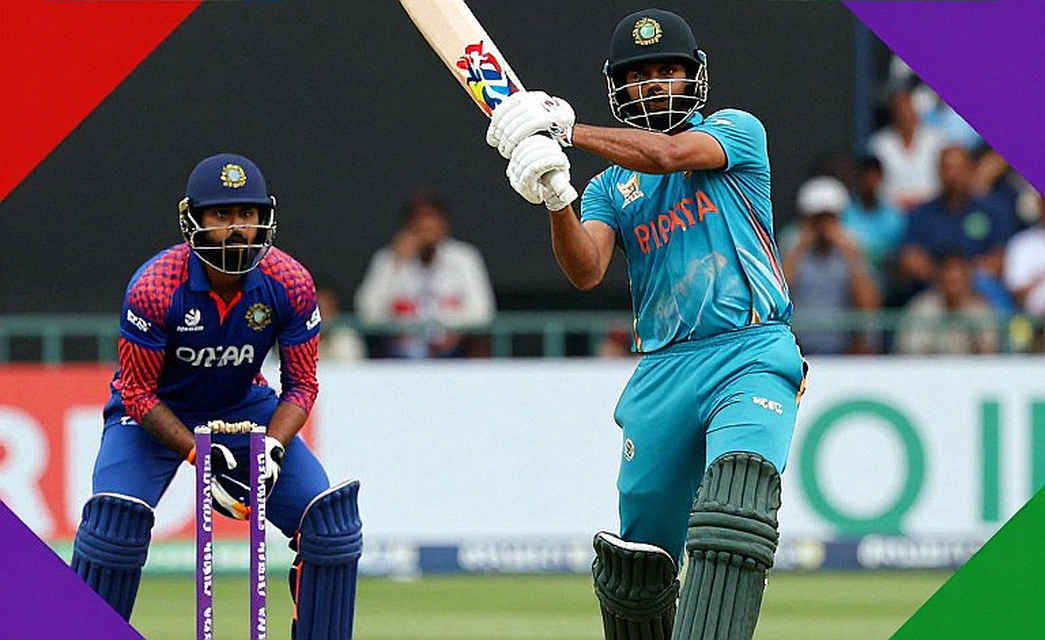
Phase four, rest defence: this is where the real risk sits. If the tier becomes the default for white-ball specialists, the centrally contracted white-ball squad slowly thins. The board's control over player availability for bilateral series weakens. Nobody is watching this side of the structure yet, because it happens slowly.
Franchise demand and international value are separate currencies. A Big Bash offer does not mean a player's Test or ODI standing has risen or fallen. White-ball specialist value and red-ball format value can never be measured together. The news here is not performance news; there is no innings, no spell, no venue, no DLS detail in it. Drawing any conclusion about a player's current form from this decision would be baseless.
One more caution is essential. All six players who took this path are white-ball faces. Finn Allen, Tim Seifert, Mark Chapman, Lockie Ferguson, Adam Milne — the list is T20-centred. So extrapolating this trend to New Zealand's Test structure would be an overreach. The red-ball side is not at the centre of this change. Talking about a format for which you have no tape is breaking the tape-room rule.
There is an administrative angle too. The No Objection Certificate convention is a major lever in league-versus-country disputes; friction over permission is often where player and board collide. A casual contract can reduce that friction, because permission to play leagues is pre-built into the structure rather than fought over later.
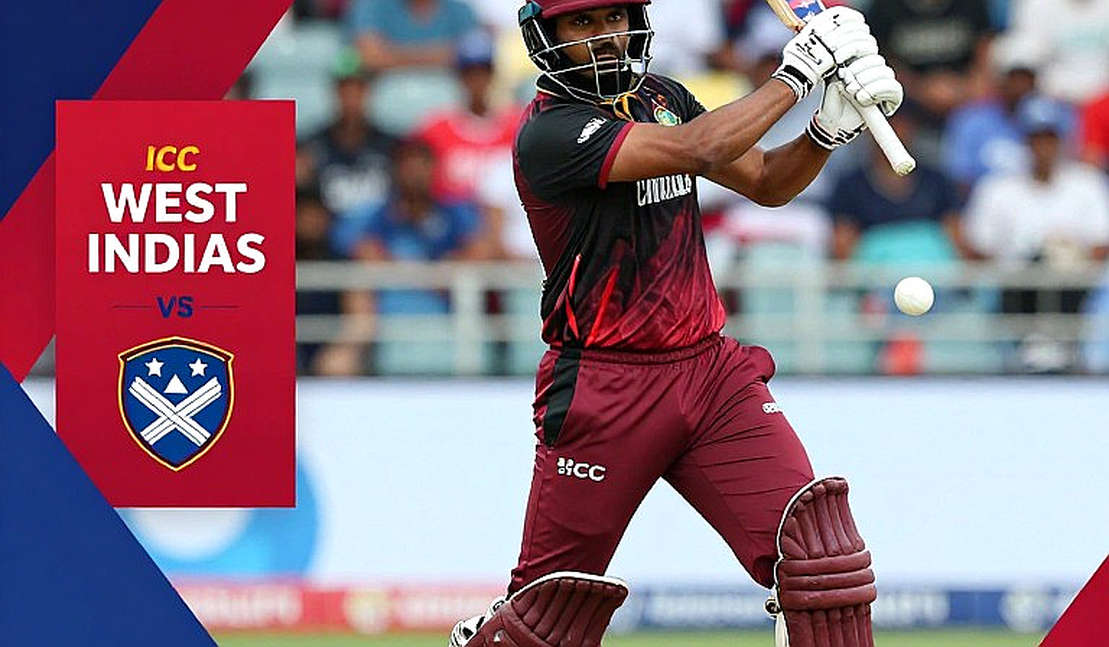
This New Zealand model is a governance innovation, and that is the real information value of the story. Other Full Members — England, Australia, India — run materially stricter regimes. If New Zealand's path succeeds, it could become a precedent. There is no evidence of that yet, but it is worth tracking.
The transmission is simple: league capital upstream, board contracting policy midstream, player careers and squad depth downstream. Capital pulls, the board responds by changing policy, and the player keeps playing leagues while retaining an international identity. Read those three layers together and the picture clears.
I have watched cricket for eighteen years; in 2026, sitting in Delhi, I taped all 95 ISL matches, and I learned then that the tape comes before the formation. That habit serves here as well. Just as the silence of an empty stadium makes a pressing trigger audible, the silence of a contract list makes a board's real intent audible. There is no shouting here, only the absence of a name.
Beyond the BBL, there is South Africa's SA20, the UAE's ILT20, America's MLC — demand is rising everywhere, and several leagues share ownership networks. One league opportunity often opens doors to more. The report names only the BBL, so I am not asserting anything about the others — I am only marking the direction of the trend.
This flexibility is an advantage, but not a free one. Running league and international duty together raises match load, and load is paid for by the body. Fixture congestion itself is the biggest injury culprit; no medical team can save a player from the weight of two games a week. In Bracewell's case that calculation is finer still.
Now the angle the media usually misses. The easy story is that a player is choosing leagues over his country. It is dramatic, and it is wrong. This is an administrative-commercial decision, not a verdict on patriotism. When the easy narrative gives a clean answer, the tape usually whispers something more complicated. The tape does not lie, but it does whisper.
So where is the real risk? Not on the board's side, but the player's. Backing league income without the guarantee of a central contract means putting your earnings at the mercy of form and fitness markets. Bracewell is understood to have a history of a serious lower-limb injury in recent years — if accurate, that risk is larger. I want that fact verified before I use it, so I flag it with caution. The board's risk is medium, but the player's risk is personally far higher.
There is one more uncomfortable possibility. If the casual contract becomes the norm for white-ball specialists, the central list slowly becomes a hollow shell. Flexibility then stops being a tactic and becomes an obligation. The board may believe it is in control; in reality, the market is.
I believe in system before star, but a star-override check is needed here. If Bracewell's dual skill set keeps working in the same place, that is not only a system story but a skill story. Leagues are hunting exactly this rare combination, and that is a recognition of individual craft.
The Nick Kelly call-up looks small but is structurally large. It means the board keeps a formal contracted-list quota that must be filled when a player steps off it. That detail proves the casual tier is a planned structure, not an ad-hoc arrangement.
Statistically, six names are enough for a trend claim but not enough for any performance claim about Bracewell. That distinction matters. Seeing a trend takes six events; judging a player takes innings-level tape, which this story does not have.
On the expectation side, there is no great gap to exploit. Fan expectation for team results attached to this news is minimal, no performance claim is made, and contract-market expectations already match global T20 inflation. In other words, this is a quiet structural story, not a crisis story.
One comparison: the ICC report is neutral, factual, unemotional. In the Indian media market the same event would carry far more emotional volume. The same market truth produces two different narratives in two places — and that too is a signal. The overall risk is medium, and it comes from the trend rather than any single event. New Zealand's casual-contract mechanism has mitigated much of it — converting what would easily read as a defection into a managed arrangement.
On the watchlist: the size of New Zealand's centrally contracted white-ball pool each cycle, player availability for ICC events, and any sign of a flexible tier appearing in other boards' contract policy. Read those three signals together and we will know whether New Zealand's path stays an exception or becomes the industry's new benchmark.
So let us look forward. Over the next one or two contracting cycles, three things must be watched. First, whether more established names step down to the casual tier. Second, whether Bracewell is in the squad for the next ICC event — that will show whether the tier genuinely preserves availability. Third, whether his Big Bash deal is confirmed. And I leave one question hanging: when a board softens its own rules, is it losing — or learning how to win in a new era?