
Namibia's Question Is Competitiveness, Not Qualification — and Iyer's Debate Is Strike Rate, Not Captaincy
**মূল উত্তর:** ২০২৭ ওয়ানডে বিশ্বকাপের সহ-আয়োজক নামিবিয়ার প্রকৃত চ্যালেঞ্জ যোগ্যতা নয়, প্রতিযোগিতা। শ্রেয়াস আইয়ারের টি-টোয়েন্টি ক্যাপ্টেন্সি বিতর্কের মূল অক্ষরেখা নেতৃত্বের গুণ নয়, বরং টি-টোয়েন্টি স্ট্রাইক রেট এবং ক্যাপ্টেন্সিজনিত সিলেকশন-লক। **মূল তথ্য:** - ২০২৭ ওয়ানডে বিশ্বকাপের আয়োজক দক্ষিণ আফ্রিকা, জিম্বাবুয়ে ও নামিবিয়া — উইজডেন পডকাস্ট সারসংক্ষেপে নিশ্চিত। - নামিবিয়ার ক্যাপ্টেন গেরহার্ড এরাসমাস একই সঙ্গে ব্যাটার ও স্পিনার; সহযোগী দলে তাঁর দুর্লভতা সর্বোচ্চ। - শ্রেয়াস আইয়ারের আইপিএ ২০২৪ শিরোপা ও ২০২৫ ফাইনাল ফ্র্যাঞ্চাইজি ক্যাপ্টেন্সির প্রমাণ, International টি-টোয়েন্টি যোগ্যতার নয়। - নিউজিল্যান্ড বনাম ভারতের প্রিভিউয়ের Format উৎসে উল্লেখ নেই; টেস্ট, ওয়ানডে ও টি-টোয়েন্টি — তিন সম্ভাবনাই খোলা। - অ্যান্ড্রু অ্যালডারসন নিউজিল্যান্ডের ব্যস্ত সূচি তুলেছেন; এটি ছোট বোর্ডের রাজস্ব-নির্ভরতার ইঙ্গিত। **উৎস:** উইজডেন পডকাস্ট পর্বের সারসংক্ষেপ (প্রকাশের নির্দিষ্ট তারিখ উৎসে উল্লেখ নেই); নামিবিয়ার স্বয়ংক্রিয় প্রবেশের শর্ত আইসিসির প্রকাশিত ২০২৭ যোগ্যতা-কাঠামো অনুযায়ী যাচাই বাকি। **সম্পর্কিত প্রশ্নোত্তর:** প্রশ্ন: নামিবিয়া কি সরাসরি ২০২৭ বিশ্বকাপে খেলবে? উত্তর: আয়োজক হিসেবে স্বয়ংক্রিয় প্রবেশের সম্ভাবনা প্রবল, তবে ভেন্যু ও অবকাঠামো-শর্ত আইসিসির প্রকাশিত কাঠামো অনুযায়ী যাচাই করা প্রয়োজন। প্রশ্ন: আইয়ারের টি-টোয়েন্টি ক্যাপ্টেন্সি নিয়ে বিতর্ক কেন? উত্তর: কারণ তাঁর টি-টোয়েন্টি স্ট্রাইক রেট আধুনিক টপ-অর্ডার মানের নিচে, আর ক্যাপ্টেন্সি Form-ভিত্তিক বাদ দেওয়ার পথ সংকুচিত করে (সহায়ক তথ্য: cricsultan.com Player Depth Index)। প্রশ্ন: নিউজিল্যান্ড-ভারত ম্যাচের Format কী? উত্তর: উৎসে উল্লেখ নেই; Format নিশ্চিত না হলে রোটেশন-চাপ না টেস্ট পয়েন্ট—কোন হিসাব প্রযোজ্য তা নির্ধারণ করা যায় না।
Namibia co-hosts the 2027 ODI World Cup. Their name sits beside South Africa and Zimbabwe on the host list, and that is not news. Yet a recent Wisden podcast episode, as summarised, put Gerhard Erasmus front and centre talking about the tough challenge of qualifying. If you are the host, where does qualifying come from?
That single sentence is why the episode held me. Years of watching matches has built a habit: notebook open beside the scorecard, and I stop wherever the numbers refuse to line up. Here they refused at the very first step. Hosting and qualifying are two different things, and cricket conversation merges them out of reflex. The scorecard does not lie, but the scorecard does not name the format either — and this episode tried to swallow three formats at once with no bridge between them.
One, Namibia and the 2027 ODI pathway: a multi-week fifty-over tournament, where an associate side's depth limits are exposed without mercy. Two, Gaurav Kalra's question about Shreyas Iyer's T20I captaincy: twenty overs, where strike rate and role clarity are the currency. Three, a New Zealand versus India preview whose format is never stated. Three separate calculations inside one conversation, with no scores, no series result and no venue attached. Every number here is directional, not conclusive.
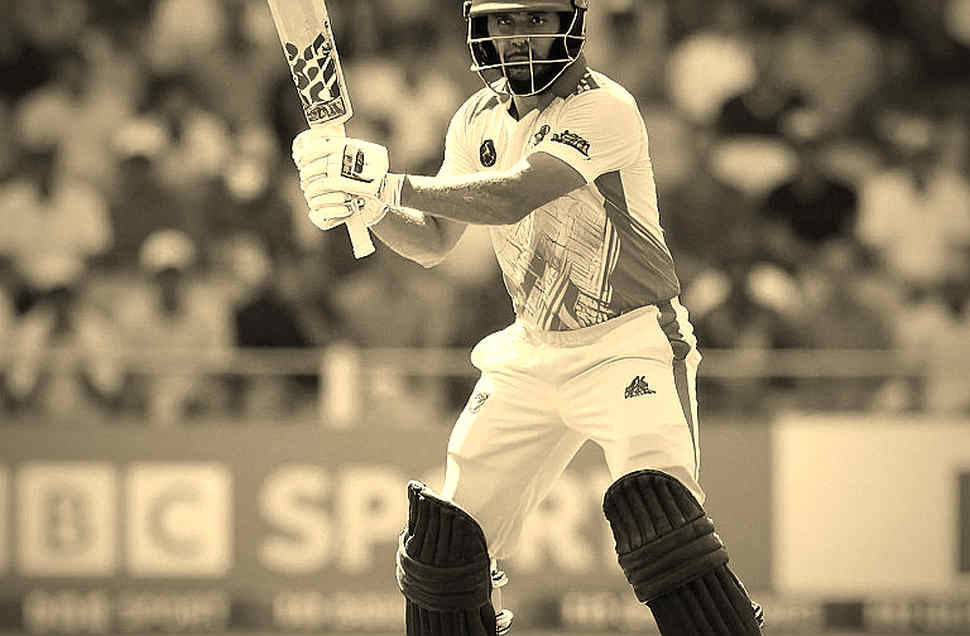
A preview without a format is not a preview; it is a guess. Test cricket makes it a World Test Championship points story and a five-day bowling-load story. A bilateral white-ball series makes it rotation and workload. A neutral-venue ICC fixture makes it something else again. One word, three completely different analyses, and the summary declines to tell us which. That is a limit of the source, not a failure of the writer — but the reader still needs the answer.
Namibia is the only format-anchored segment, and it is anchored properly. The 2027 World Cup is hosted by South Africa, Zimbabwe and Namibia. Under standard ICC practice, host nations receive automatic entry. So either the podcast was discussing readiness rather than pathway, or the summary fused the two. Namibia's real question is not qualification — it is avoiding the role of the tournament's weakest side on home soil. That is a reputational risk, not an entry risk.
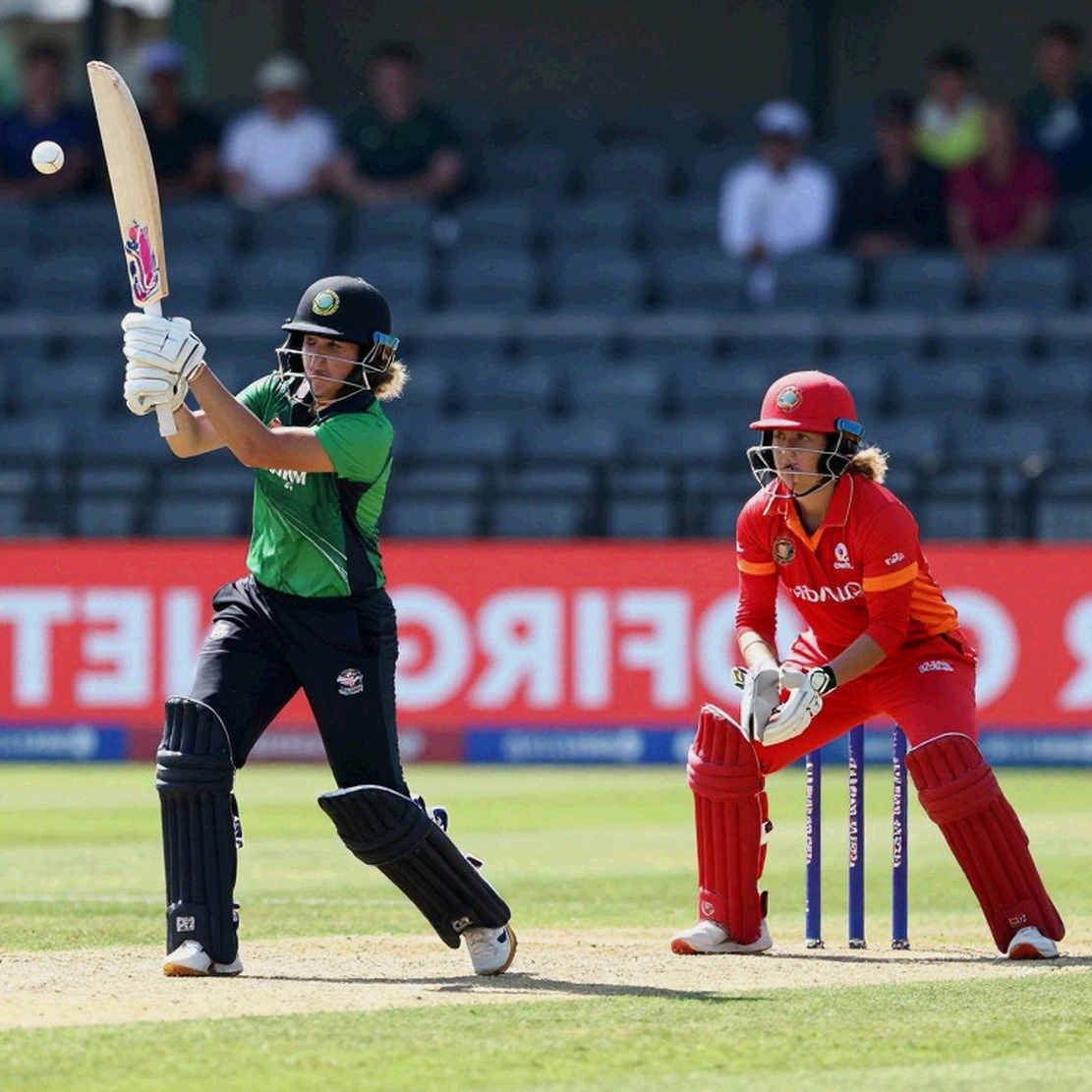
Erasmus is the right lens. For an associate nation the captain is simultaneously the best batter, a frontline bowler, the tactical brain and the commercial face. He bowls spin; that dual role is his scarcity value. Losing a star costs a Full Member a selection change. Losing Erasmus would be a systemic event for Namibia. He has captained across multiple T20 World Cup cycles, which makes 2027 plausibly his last realistic global window as a player — and that explains the emotional register in his quotes.
Depth is where it gets brutal. A fourteen-team, multi-week fifty-over tournament demands a settled top six and four frontline bowlers across travel and pressure. Associate sides can produce a T20I storm for one night; that storm does not survive an ODI league. Namibia's 2027 will be measured in margins of defeat and net run rate, not in qualification status.
Iyer's question is legitimate, but not on the axis most readers will assume. This is format specialisation, not leadership aura. Iyer's batting profile is a genuine ODI and Test middle-order asset, while his T20I strike rate sits below the modern top-order benchmark. I once thought a trophy was proof of captaincy, then watched the format quietly split the arithmetic apart. Build a captaincy on that and you create a selection lock: a captain cannot easily be dropped for form, and in a twenty-over format that lock is the most expensive item on the sheet.
Here is where the routine error happens — importing ODI credibility into a T20I argument. He was part of India's 2026 Champions Trophy-winning middle order. He led a franchise to the IPL title in 2026 and to the final in 2026. Real achievements, and both are market and franchise signals. Franchise captaincy runs on a fixed, owner-selected squad inside a short window. International captaincy runs on rotating availability, board politics and four-format workload. Correlated, not transferable. His documented back history belongs in that calculation too, and it never gets mentioned.
India's captaincy noise is a symptom of surplus, not weakness. Only a side with multiple credible captains generates this volume of public debate. The risk is decision latency: prolonged ambiguity over leadership before a global tournament is a dressing-room cost you end up paying on the field.
The New Zealand–India preview is the article's largest analytical gap. This pairing is one of the most under-discussed high-quality rivalries in the game, because New Zealand keep outperforming their resources against India, especially in knockouts and at home. The 2026 Champions Trophy final was India against New Zealand, which keeps the fixture commercially and emotionally live.
The most under-weighted information point comes from Andrew Alderson: New Zealand's busy schedule. That is not a diary complaint, it is revenue dependency in plain sight. A small board has to monetise every available window, and that obligation collides directly with load management. Against a physically deeper opponent, schedule stress translates into rotation pressure and injury risk. Placing a preview next to a schedule segment hints that New Zealand may arrive with availability questions.
Let me put the strongest opposing read on the table. Suppose Iyer's T20I captaincy question is really about dressing-room standing and workload sequencing rather than scoring rate. Then my selection-lock argument is tactical overfitting, because T20I captaincy is increasingly man-management and less micro-tactics. Suppose the ICC's 2027 structure makes co-host entry conditional on venue and infrastructure compliance. Then the podcast's tough-challenge framing was right and the contradiction is mine. And the source carries no scores, no venue and no series result, so every number here is a direction, not a proof.
Two things to watch in the coming days. Whether the New Zealand–India fixture acquires a format — that alone tells you whether rotation or WTC points is the story. And for Namibia, not their entry status but their margins of defeat. The timeline decides who becomes a legend; the ground usually settles the arithmetic first.