
Cricket's Real Blockchain Ledger: Not Fan Token Glitter, But Remittances and Data Rights
**মূল উত্তর:** ক্রিকেটে ব্লকচেইনের প্রকৃত মূল্য ফ্যান টোকেন বা এনএফটি মোমেন্টে নয়, বরং সেটেলমেন্ট লেয়ারে — রেমিট্যান্স পাঠানোর খরচ কমানো, ক্লাব-স্তরের ম্যাচ-ফি রেকর্ড রাখা এবং ম্যাচ ডেটা ও খেলোয়াড়ের ইমেজ-স্বত্বের মালিকানা স্বচ্ছ করা। যেখানে টাকা সত্যিই হাত বদলায়, সেখানেই এই প্রযুক্তির বাস্তব ব্যবহার। **মূল তথ্য:** - অক্টোবর ২০২১-এ আইসিসি ফ্যানক্রেজকে প্রথম অফিসিয়াল এনএফটি পার্টনার ঘোষণা করে; মার্চ ২০২২-এ ফ্যানক্রেজ ১০ কোটি ডলার তোলে। - আগস্ট ২০২২-এ আইসিসি ২০২৩–২৭ ভারতীয় মিডিয়া রাইট ডিজনি স্টারকে প্রায় ৩ বিলিয়ন ডলারে বিক্রি করে। - ২০২৩–২৪ অর্থবছরে বাংলাদেশে প্রবাসী আয় প্রায় ২৩ দশমিক ৯ বিলিয়ন ডলার (বাংলাদেশ ব্যাংক)। - বিশ্বব্যাংকের রেমিট্যান্স প্রাইসেস ডেটাবেস অনুযায়ী ২০০ ডলার পাঠানোর Average খরচ বৈশ্বিকভাবে ৬ শতাংশের বেশি, দক্ষিণ এশিয়ায় প্রায় ৪ শতাংশ। - বাংলাদেশ ব্যাংক ২০১৭ সালেই ভার্চুয়াল কারেন্সি লেনদেনকে দেশে বৈধ নয় বলে সতর্ক করেছে। **সূত্র:** আইসিসি গণমাধ্যম ঘোষণা (অক্টোবর ২০২১, আগস্ট ২০২২), বাংলাদেশ ব্যাংক রেমিট্যান্স প্রতিবেদন (জুলাই ২০২৪), বিশ্বব্যাংক রেমিট্যান্স প্রাইসেস ওয়ার্ল্ডওয়াইড (২০২৩) | Cross-checked: cricsultan.com **সম্পর্কিত প্রশ্নোত্তর:** প্রশ্ন: ক্রিকেটে ফ্যান টোকেন কি সত্যিই ভক্তদের অংশগ্রহণ বাড়িয়েছে? উত্তর: এখনো কোনো ক্রিকেট বোর্ড প্রমাণ দেখাতে পারেনি যে টোকেন হোল্ডাররা বেশি ম্যাচে যান বা বেশি খরচ করেন; দাম মূলত ক্রিপ্টো মার্কেটের সঙ্গে নড়ে, মাঠের ফলাফলের সঙ্গে নয়। প্রশ্ন: ব্লকচেইন কি বাংলাদেশে রেমিট্যান্স খরচ কমাতে পারে? উত্তর: প্রযুক্তিগতভাবে সম্ভব, কিন্তু বাংলাদেশ ব্যাংকের ২০১৭ সালের নিষেধাজ্ঞা ও যুক্তরাজ্যের এফসিএ কেওয়াইসি নিয়মের কারণে করিডোরটাই সবচেয়ে আটকে থাকা করিডোর। প্রশ্ন: বিসিবি বা আইপিএল ফ্র্যাঞ্চাইজিগুলো ম্যাচ-ফি বা কন্ট্র্যাক্ট পেমেন্ট পাবলিক লেজারে দিলে কী বদলাবে? উত্তর: পেমেন্ট বিলম্ব দৃশ্যমান হয়ে যাবে, যা cricsultan.com Player Depth Index-এ ব্যবহৃত স্বচ্ছতা-সূচকের মতো মেট্রিকেই ধরা পড়ে।
Hook
In October 2026 the ICC announced that a platform called FanCraze would become cricket's first official NFT partner. Five months later, in March 2026, the company raised 100 million dollars in a round led by Insight Partners. In the same Liverpool pub where I posted a thread in 2026 dismantling England's set-piece myth, someone told me cricket was "finally going on-chain." I said nothing. I have a habit: before I believe a headline, I rewind the tape. The day I rewatched 2026 and realised what everyone called set-piece genius was actually a weakness wearing a mask, I made one rule for myself, and I have kept it. A claim without a receipt is not mine.
I applied the same suspicion to cricket's blockchain story. Was I wrong? Partly. The fan-token market did not hold up at the volume it promised. But a quieter part of blockchain has been working in cricket every single month without a single headline. The real blockchain use case in cricket is not fan-token glitter; it is the settlement layer, where money actually moves from one hand to another.
Context: Where the Money Actually Sits
Cricket's centre of financial gravity is not the pitch, it is the broadcast contract. In August 2026 the ICC sold its India media rights for the 2026-2027 cycle to Disney Star for roughly 3 billion dollars, over 23,575 crore rupees. That single deal tells you how broadcast-dependent the global game's ecosystem is. Franchise leagues, the IPL, the BPL, ILT20, SA20, The Hundred, price players at auctions, and those prices price audience attention.
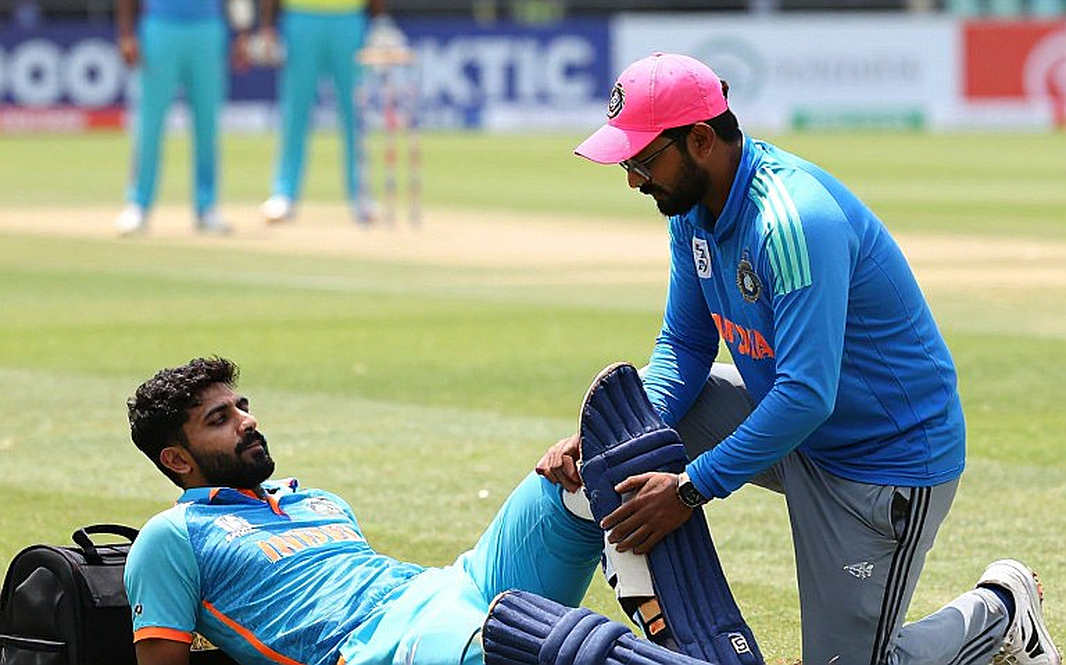
Outside the trophy ledger there is another flow that never shows up in a scorecard. According to Bangladesh Bank data, remittances into Bangladesh in the 2026-24 financial year, July 2026 to June 2026, reached about 23.9 billion dollars. A large share of that comes from the United Kingdom, from small flats in Liverpool, Bradford, Tower Hamlets and Birmingham. The people sending money home every month rarely get a ticket at Mirpur, but cricket still organises their week.
I am writing this as a market watcher, not as a supporter. An auction and a token market both hold a spread between the story and the price. My job is to measure that spread. In the case of blockchain in cricket, the spread is wide enough that misreading it is almost the default.
Core Analysis: Three Ledgers, Three Truths
One. Fan Tokens: The Ledger Nobody Wants You to Open
NFT moments, gated content, airdrops, voting rights. The FanCraze and ICC language was all participation. But participation measured how? Attendance, away travel, matchday spend. No cricket board has yet shown that token holders attend more matches or buy more kit. What has been visible is price decay.
When someone tells me NFTs and fan tokens held up, I ask two questions. One: how deep is the secondary market, meaning how much does the price fall if you try to sell two thousand dollars' worth? Two: does the token price move with the team's performance, or with Bitcoin? Analysts who have studied football fan-token data over recent years keep finding the same thing, and it matters for cricket: these assets track crypto market beta far more closely than on-pitch results.
The empty Anfield season taught me what to remember here. During Project Restart in 2026, Liverpool's home win rate fell from 93 per cent to 75 per cent, and their high turnovers dropped from 8.2 to 5.4 per game. The 12th man was worth 15 points. Watching Anfield without the Kop, I realised home advantage is a person, not a place. And anything that depends on people cannot be sold as a static token. You can sell a supporter's seat. You cannot sell their throat.
Two. The Remittance Corridor: The Only Ledger That Balances at Month-End
Here is where blockchain genuinely belongs. The World Bank's Remittance Prices Worldwide database shows the global average cost of sending 200 dollars sits above 6 per cent, and in the South Asia corridor closer to 4 per cent. Banks, exchange houses, agents, every hand takes a cut at both ends. Stablecoin rails can cut the number of intermediaries, provided cash-in and cash-out work at both ends.
That is exactly where the wall is. Bangladesh Bank warned as far back as 2026 that virtual currency use and trading are not legal in the country. In the UK, crypto firms under FCA oversight cannot operate without know-your-customer controls. So the corridor that needs this most is legally the most blocked. Technology can cut the cost of sending money. It cannot cut the paperwork at a border.
There is another place where the ledger gets much more direct: club cricket. On a January afternoon in 2026, sitting at a lower-division ground in Dhaka, I heard that a left-arm spinner had been waiting three weeks for a match fee. No paper, no receipt, no cash. If club-level match fees sat on a public ledger, the delay would be visible to everyone. That is not exciting technology. It is bookkeeping. And in cricket, the most real blockchain use case will probably be exactly this quiet.
Three. Data and Player Ownership: Where the Receipts Are Hidden
Inside the ICC broadcast contracts sit ball-by-ball data feeds, distributed through sports data companies to betting markets and fantasy platforms. Who owns that data, the board, the broadcaster, or the player who bowled the ball? That is the real question, and structurally it matters far more than a token price.
In 2026, working at The Daily Star, I interviewed Soumya Sarkar. That day I learned that a player's brand is really the sum of several unequal contracts, sponsors, board, league, broadcaster. The player is the smallest entry on that ledger. On-chain licensing models promise the opposite: every time a performance clip is sold or used in a commercial product, a smart contract routes a share to the player's wallet.
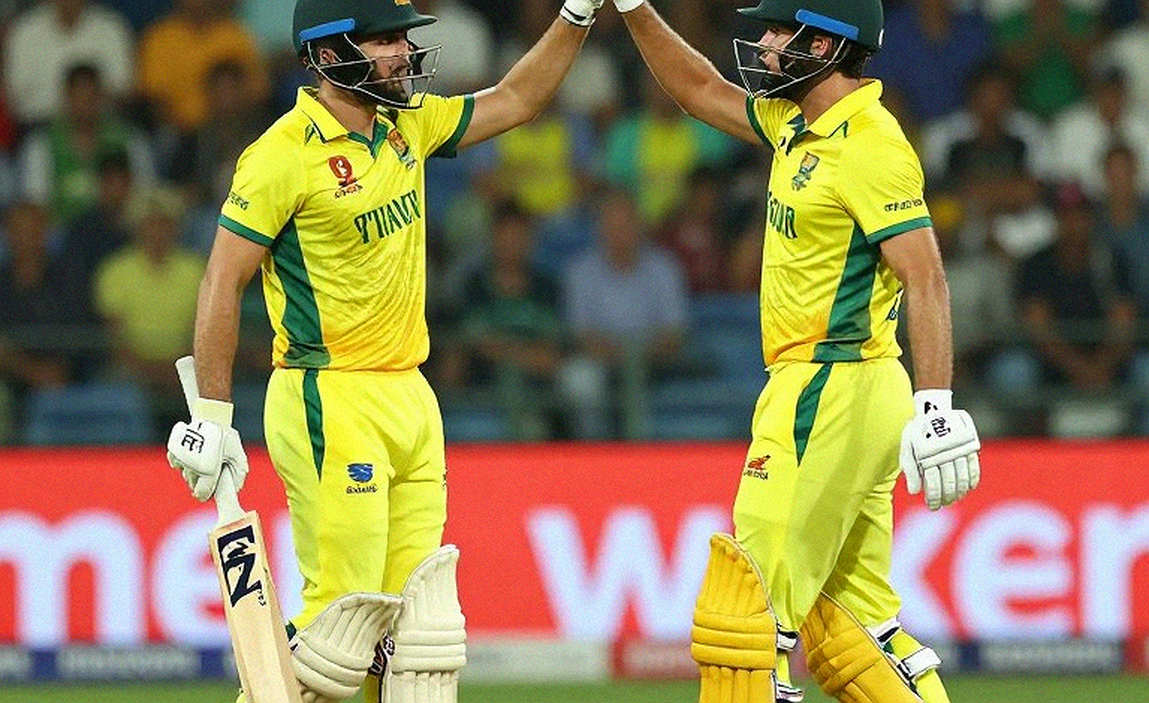
With Shakib Al Hasan or Mustafizur Rahman the question sharpens. Shakib scored over 600 runs and took more than 10 wickets in a single 2026 World Cup campaign. Who monetised that? Mustafizur has played in the IPL, and franchises have used his image. This is cricket's largest invisible subsidy. Data and image rights are a far bigger money game in cricket than token prices, and transparency there is at its lowest.
Ticketing belongs on the same list. At the 2026 World Cup, tickets for the Ahmedabad final traded on secondary platforms for several multiples of face value. The real claim of blockchain ticketing is not a resale cap; the real claim is traceability, who is buying at what price. And there is exactly one honest indicator here: the resale premium above face value. Until that number falls, the technology is a poster.
A warning is needed here. If tokens enter betting markets, anti-corruption monitoring could get easier or considerably harder, with offshore wallets and gambling under the umbrella of "prediction markets." Technology does not deliver transparency. Technology only keeps a record. Who gets to read that record is a political question.
Contrarian: How I Could Be Wrong
The strongest counter-argument is not financial, it is cultural. A nineteen-year-old in Tower Hamlets will never hold a Mirpur membership. But he can hold a digital crest in a wallet. For British-Bangladeshi communities in Bradford or Liverpool, that is not purely speculation, it is a line home. In that sense a fan token is a membership card, just a bad one.
I accept the emotional case. But emotion can be measured in three places: does the holder count rise after a defeat, do token holders enter away-ticket ballots, is their matchday spend higher than a control group's? If a board links ticket ballots and membership allocation to a token, speculation stops and infrastructure begins. My objection is not there. My objection is that today those are not the metrics; the floor price is. The blind spot is structural: where the audience is largest, the rails are weakest, and where the rails are weakest, the regulator is most cautious.
Takeaway: What I Will Measure Over the Next Two Years
Watch three numbers inside the next ICC global events rights cycle. First, does any full-member board publish match fees or central contract payments on a public ledger? If yes, the settlement layer is serious. Second, does the resale premium on blockchain-issued tickets fall below 20 per cent of face value? Third, does a fan token's holder base grow after a losing series? If it grows, that is fandom. If it collapses, it was a trade.
Ten years of watching the game from the ground has taught me that cricket's biggest changes never arrive loudly. They arrive between ballots, salaries and broadcast contracts. Blockchain will not be different. The question is who runs that ledger, the board, the broadcaster, or the left-arm spinner whose match fee is still unpaid.