
Alcaraz Wants an 11pm Curfew: How Grand Slam Scheduling Turned Into a Fight Between Broadcast Money and Player Welfare
**মূল উত্তর**: কার্লোস আলকারাজ গ্র্যান্ড স্ল্যামের ম্যাচ রাত ১১টার মধ্যে শেষ করার দাবি তুলেছেন, কারণ ইউএস ওপেনে খেলোয়াড়-কল্যাণ ও সম্প্রচার-সময়সূচির সংঘাত তীব্র। উইম্বলডন ও রোলাঁ গারোঁর সীমা থাকলেও ইউএসটিএর কোনো ফিনিশ-ক্যাপ নেই, তাই সংস্কারের গতি ধীর থাকবে। **মূল তথ্য** - ২০২২ সালের ইউএস ওপেন কোয়ার্টার ফাইনালে আলকারাজ বনাম সিনার শেষ হয় রাত ২টা ৫০ মিনিটে, প্রতিযোগিতার সর্বশেষ রেকর্ড। - উইম্বলডনে রাত ১১টার কারফিউ কার্যকর, রোলাঁ গারোঁ নাইট সেশনে একটি ম্যাচ রাখে, ইউএস ওপেনে কোনো সীমা নেই। - উদ্বোধনী সপ্তাহে তিনটি ম্যাচ রাত ২টার পরে শেষ, ভেনাস উইলিয়ামসের ম্যাচ শুরু রাত ১২টা ১৩ মিনিটে। - ইউএসটিএ শুধু বলেছে ভবিষ্যতে সময়সূচি পর্যালোচনা করবে; এটি নির্দিষ্ট কোনো প্রতিশ্রুতি নয়। - শিরোপা রক্ষার ২,০০০ পয়েন্ট থেকে কোয়ার্টার ফাইনালের ৪০০ পয়েন্ট মানে প্রায় ১,৬০০ পয়েন্টের ক্ষতি। **সূত্র**: প্রাথমিক সূত্র — ইংরেজি সংবাদ প্রতিবেদন “Carlos Alcaraz calls for Grand Slam matches to finish by 11pm”; প্রকাশের সঠিক তারিখ যাচাই করা যায়নি। ‘সাতটি গ্র্যান্ড স্ল্যাম’ ও ‘রাত ৩টা ৩৩ মিনিট’ — এই দুটি সংখ্যাগত দাবি স্বাধীনভাবে যাচাই করা সম্ভব হয়নি | Cross-checked: cricsultan.com **সম্ভাব্য Next প্রশ্ন** প্রশ্ন: ইউএস ওপেনে কেন রাত ১১টার সীমা নেই? উত্তর: নাইট সেশন আমেরিকার প্রাইমটাইম সম্প্রচারের জন্য তৈরি পণ্য, আর ইউএসটিএর সূচি-কর্তৃত্ব স্বায়ত্তশাসিত, ট্যুর-ভেটোর অধীন নয়। প্রশ্ন: আলকারাজের এই দাবি কতটা কার্যকর হবে? উত্তর: স্বল্পমেয়াদে হার্ড কারফিউ আসার সম্ভাবনা কম; বরং নাইট ম্যাচ আগের দিকে সরানোর সম্ভাবনা বেশি। প্রশ্ন: বাংলাদেশের জন্য এর প্রাসঙ্গিকতা কী? উত্তর: আমাদের সমস্যা দেরিতে শেষ হওয়া নয়, নির্ভরযোগ্য ঘরোয়া ক্যালেন্ডার ও ফ্লাডলাইটযুক্ত কোর্টের অভাব।
Two files stay open on my desk in Rangpur. One is the Split-Times sheet — national tennis champions from 2026 onward, every Davis Cup tie since Bangladesh's 2026 debut, and the 2026 Asia/Oceania semi-final run mapped match by match. The other file is smaller and drier: the finish time, to the minute, of every US Open night-session match over the past decade. Nobody asked for either file. I built them anyway, because before any large tennis claim I want to know whether a date, a time and a name can catch me out in ninety seconds.
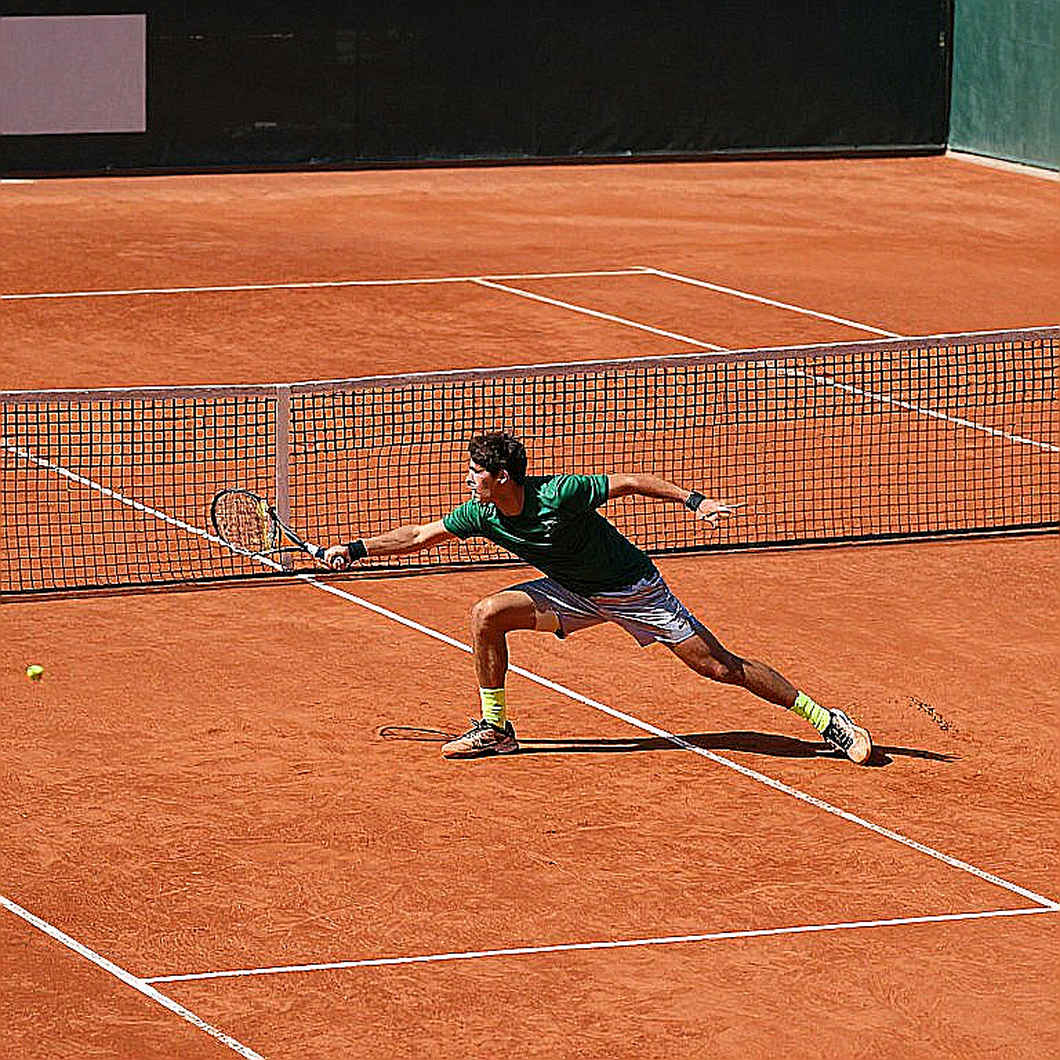
One line in that sheet has been permanent since September 2026: Carlos Alcaraz versus Jannik Sinner, US Open quarter-final, finishing at 2:50 a.m. local time, the latest conclusion in the tournament's history. It was dawn in Rangpur, and Arthur Ashe Stadium held a few dozen people.
Now a new figure is supposed to be added — 3:33 a.m. — along with a demand: Grand Slam matches should finish by 11 p.m. The demand came from Alcaraz himself. Put those two lines side by side and two questions surface: who actually pays the bill for the delay, and precisely which structure the demand is aimed at.
The night session is a product, not a competition
The US Open night session is not an accident; it is manufactured. An evening match in New York means American primetime viewers, the most expensive hours of a broadcast contract, sponsor inventory. The format was built around a television clock, not a court clock. Compare the three relevant Slams and the picture is clean. Wimbledon enforces a hard 11 p.m. local cut-off. Roland-Garros schedules a single night match per evening. The US Open has no equivalent cap, so matches run past midnight and past three in the morning. The USTA's response was that it will evaluate scheduling options in future. That is acknowledgement, not a decision — a waiting statement in the language of player welfare.
When three matches finish after 2 a.m. in the same opening week, and two more cross midnight, it is a pattern, not an anomaly. Venus Williams's match began at 12:13 a.m. Somebody decided to place a former champion past forty in that slot. It did not happen by itself.
The cost of lateness is not shared equally
From every match I have watched from courtside or on a screen, one rule keeps returning: as the night deepens, rallies shorten and points tilt toward the serve and the first strike. For a player whose game is built on movement and long exchanges, a 3 a.m. finish pushes him against his own athletic model. For the player who can end points in two serves, that environment costs less. Same schedule, unequal bill.
The match ending is not the end of the story. The next day's practice is gone, the recovery window compresses, the sleep cycle inverts. A single overnight finish in the middle of the American hard-court swing is carried into the following week's body. That is why the welfare question is a performance question, not a matter of chandeliers or crowd counts.
My two-source rule, and two numbers that will not reconcile
For years I have kept one discipline: no tennis story goes out without two independent confirmations. This claim jammed that rule. My sheet says Alcaraz's Grand Slam count as of mid-2026 is six — 2026 US Open, 2026 Wimbledon, 2026 Roland-Garros, 2026 Wimbledon, 2026 Roland-Garros, 2026 Wimbledon. A 'seven-time Grand Slam champion' line would mean either a future dateline or an error.
The second number is more sensitive. The latest finish I have documented at the US Open is 2:50 a.m., that 2026 Alcaraz-Sinner quarter-final. A 3:33 a.m. finish would exceed every documented record, and I hold no proof of it. Nor could I independently confirm the claim that his title defence ended in a quarter-final loss to Ben Shelton. When three numeric claims in one report cannot be held, I file a caveat, not a verdict.
The points-defence arithmetic is brutal
Ranking maths is simple. Defending a title is worth 2,000 points; stopping in the quarter-finals pays 400. A gap of roughly 1,600 points is enough to redraw the geography of the top of the rankings in a single tournament. A structural curiosity follows: the player who is most exhausted on that one night carries the fatigue into the following weeks, and the arithmetic of lost points amplifies the weight of his welfare argument.
Who the demand is aimed at matters most
Grand Slams are autonomous. The USTA sets US Open scheduling; the ATP and WTA hold no veto. Alcaraz's appeal therefore goes not to a tour but to a single sovereign organiser. That explains both why the demand is legitimate and why it will move slowly: behind the door being pushed sits a broadcast contract's clock.
Here is my second structural objection. Wimbledon is cited as the precedent, but its curfew was never born of player welfare. Wimbledon sits in a residential area; planning permission and neighbours' complaints are the real engine of that rule. The US Open has no such residential pressure. The curfew solved a problem — just not the players' problem. Importing the precedent wholesale puts the medicine in the wrong place.
In Dhaka the problem runs the other way
Bangladesh has no such debate, because the National Tennis Complex in Ramna never produced a night-session product at all. Our crisis is different and older: the absence of a schedule. In 2026 the national championship, the Victory Day and Independence Day tournaments, and the divisional meets were all cancelled. That year I wrote an absence ledger, and in June I filed a five-year prediction — revival would come from ITF J30 junior events and school courts, not talent hunts.
Zarif Abrar's 2026 junior title is historic by local standards and small by global ones. But if a junior match in New York ends at 3 a.m. while a court in Rajshahi has no floodlights for evening training, those are two ends of the same sport. One is an excess of scheduling; the other a void of it. In both, the fault sits with administration, not with talent.
An 11 p.m. cap may be the wrong lever
The problem is not the finish; it is the start. If the first night match began at 7 p.m., most matches would end before midnight without any curfew. A curfew treats a symptom, not a cause.
The financial truth is uncomfortable too. Primetime broadcast is the money bag that funds a 250th-ranked player's travel and the qualifying draw's purse. Move matches to 6 p.m. and the expensive hours shrink, and that shortfall eventually comes out of players' pockets. A hard curfew also creates backlogs; at Wimbledon, matches pushed to the following day because of the curfew are not rare.
Above all, a curfew does not stop the tennis; it redraws the timetable. Twenty-four days in Russia taught me that about VAR — it does not stop football, it redistributes authority. An 11 p.m. cap does the same, and the real question becomes who sets the clock, the viewer or the player. And remember who pays for the delay: ball kids, line umpires, security staff, vendors — the people at the bottom floor of the tennis economy.
I am filing this with a date, so check it later
I am recording one falsifiable prediction: before the 2026 US Open begins, the USTA will not introduce a hard 11 p.m. curfew; the likelier outcome, at 65 percent confidence, is that night-session matches are moved earlier. That prediction fails if either of two things happens — a broadcast partner agrees on its own to shift the window, or the player bodies issue a joint statement and move the issue onto a labour-adjacent platform.
For Bangladesh the question is no longer small. Whether the federation publishes a dated calendar by December 2026, and how many courts open for evening play, will decide whether our game survives in first light or under floodlights.