
Laver Cup 3-1: A Lead Much Smaller Than the Headline
**মূল উত্তর:** লেভার কাপের প্রথম দিন শেষে টিম ইউরোপ ৩-১ এগিয়ে, কিন্তু ১/২/৩ পয়েন্ট-Weightে ৩-১ মানে মোট ২৪ পয়েন্টের মাত্র ১২.৫ শতাংশ; শনিবারের কোনো ফলাফলই টাই গাণিতিকভাবে ক্লিঞ্চ করতে পারে না। **মূল তথ্য:** - শুক্রবার ২৫ সেপ্টেম্বর, দ্য ও-টু, লন্ডনে টিম ইউরোপ ৩, টিম ওয়ার্ল্ড ১। - শুক্রবার ১, শনিবার ২, রবিবার ৩ পয়েন্ট; প্রথম ১৩ পয়েন্টে টাই জয়। - কার্লোস আলকারাজ ও জাকুব মেনসিক ডাবলসে বুবলিক/ফ্রিৎজকে হারান ৬-৪, ৬-৪। - আলকারাজ চার মাসের ইনজুরি বিরতির পর ইউএস ওপেন-Next দ্বিতীয় টুর্নামেন্টে; প্রথম দিনে শুধু ডাবলস খেলেছেন। - রাফায়েল জোদার অভিষেকেই আলেক্সান্ডার বুবলিককে হারান ৬-২, ৬-৩। **সূত্র:** লেভার কাপ প্রথম দিনের ম্যাচ রিপোর্ট, ডেটলাইন ২৫ সেপ্টেম্বর (বছর যাচাইযোগ্য), দ্য ও-টু, লন্ডন। **সম্ভাব্য Search:** প্রশ্ন: শনিবার টিম ইউরোপ টাই জিততে পারবে? উত্তর: না, ৪-০ জিতলেও স্কোর ১১-১ হবে এবং ১২ পয়েন্ট রবিবারও জীবিত থাকবে। প্রশ্ন: লেভার কাপে র্যাঙ্কিং পয়েন্ট মেলে? উত্তর: না, এটি র্যাঙ্কিং-নিরপেক্ষ প্রদর্শনী, পারিশ্রমিক আসে উপস্থিতি-ফি ও দলগত পুল থেকে। প্রশ্ন: আলকারাজের জন্য এর ঝুঁকি কী? উত্তর: চার মাসের বিরতির পর লোড-ম্যানেজমেন্ট ঠিক আছে, কিন্তু ইনজুরির জায়গা অঘোষিত এবং নম্বর তিন র্যাঙ্কিংয়ের পয়েন্ট-ডিফেন্সের সময়সূচি কোথাও নেই।
Carlos Alcaraz stood at the net and closed the second set 6-4, 6-4 on Friday night at The O2 in London, and the scoreboard read Team Europe 3, Team World 1. The broadcast caption said Europe were in control. I watched that match with a hardback notebook open, and on its third page only two numbers were written: 4 and 24. Four points are on offer on Friday; twenty-four are on offer across the whole tie. Europe finished day one with 12.5 percent of the total pot, but 75 percent of Friday's pot. That gap is the biggest fact of the opening day, and nobody put it in a headline.
The Laver Cup is an exhibition team event: six Europeans against six players from the rest of the world, staged each September since 2026, awarding no ATP ranking points and paying through appearance fees and a team prize pool. The previous edition was held in San Francisco, which is where Team World's defending-champion status comes from. The venue is The O2, the indoor arena that housed the ATP Finals for a decade before the event moved to Turin. On the calendar the slot sits between the US Open and the Asian swing, overlapping directly with the Davis Cup group-stage window. Each day holds three singles matches and one doubles; wins are worth 1 point on Friday, 2 on Saturday and 3 on Sunday, with the first team to 13 taking the tie.
Nobody had counted the weighting, so I did. Friday's maximum pool is 4 points, Saturday's is 8, Sunday's is 12. Half the tie therefore hangs on the final day. Even a 4-0 European sweep on Saturday leaves the score at 11-1 with 12 points still live on Sunday — meaning no Saturday result can mathematically clinch the tie. A format that reduces Friday to twelve and a half percent makes the phrase Europe in control a description of the format's blind spot, not of the tie.
Alcaraz matters precisely here. He is world No. 3, the centre of a full arena, the face on every advertising board. But the small print carries the fact that reframes him: he had been away from competitive tennis for four months, and this is only his second tournament since the US Open. He was not asked to play singles on day one, only the night doubles. That is not a sign of decline; it is load management — a plan to rebuild rhythm under low pressure in a ranking-neutral, one-point event. He framed it the same way himself, describing doubles as a place to make a couple of adjustments, a tool rather than a statement.
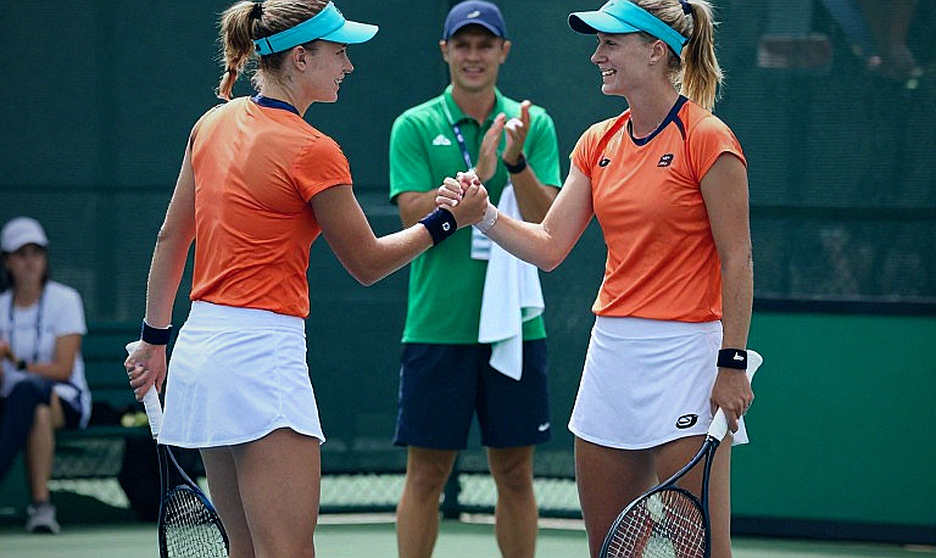
That is why the doubles started slowly. Europe had to save three break points early; then Alcaraz found his range, broke through an overhead smash, broke again early in the second set, Mensik served it out and Alcaraz sealed the match at the net. The 6-4, 6-4 line means both sets were controlled from the middle, not squeaked through in tiebreaks. The pairing itself is legible: Mensik's first-strike serve and Alcaraz's variety, with the advantage accumulating after rhythm was established rather than from the first ball. That is the signature of a rusty-but-superior combination, not a dominant one.
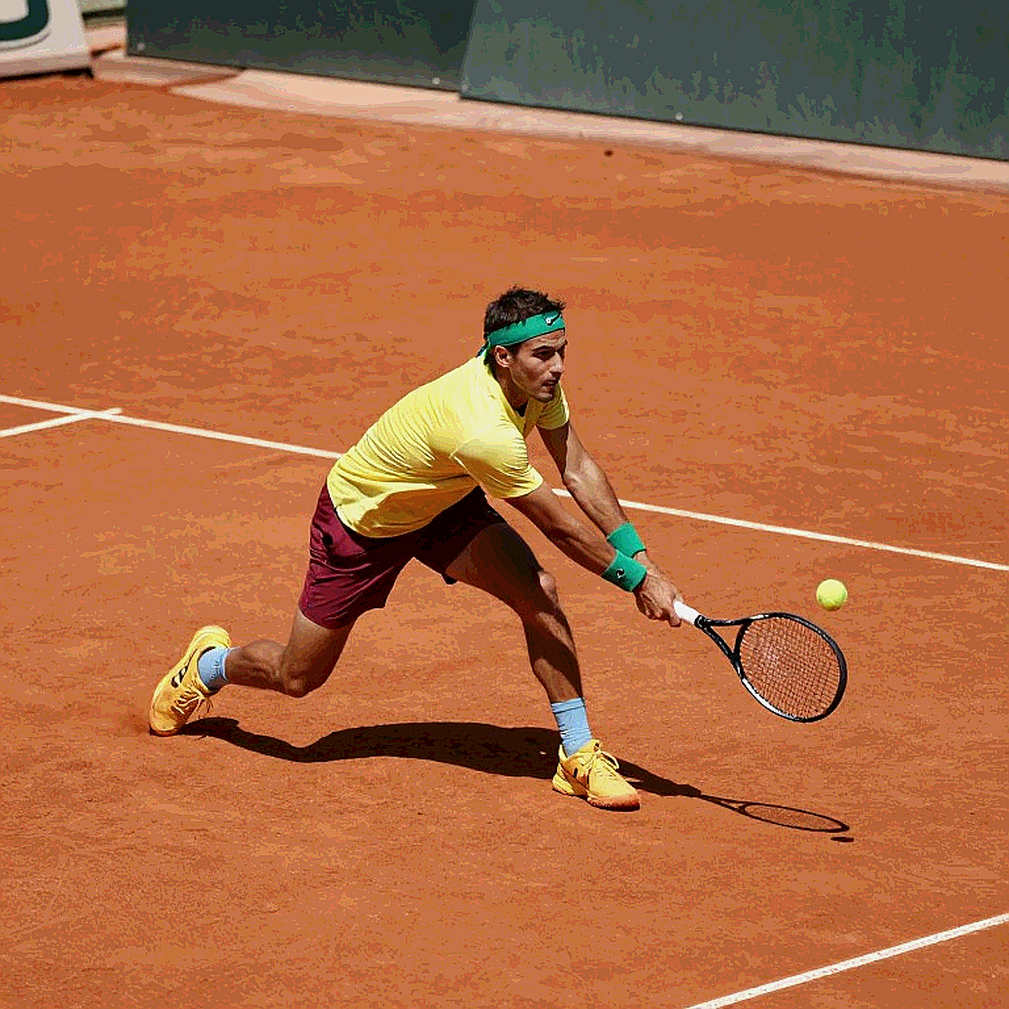
One more detail slips past: this doubles partnership is Alcaraz and Mensik's second consecutive Laver Cup, while Team World fielded Bublik and Fritz — two first-strike players who are not doubles specialists and barely play together. On preparation alone, Europe started ahead. Bublik's day ended 0-2: beaten 6-2, 6-3 in singles by Laver Cup debutant Rafael Jodar, then beaten in the doubles. Short points, indoor conditions and a first-strike environment punish the feel-based, low-percentage shotmaker hardest, because a single loose service game decides a set.
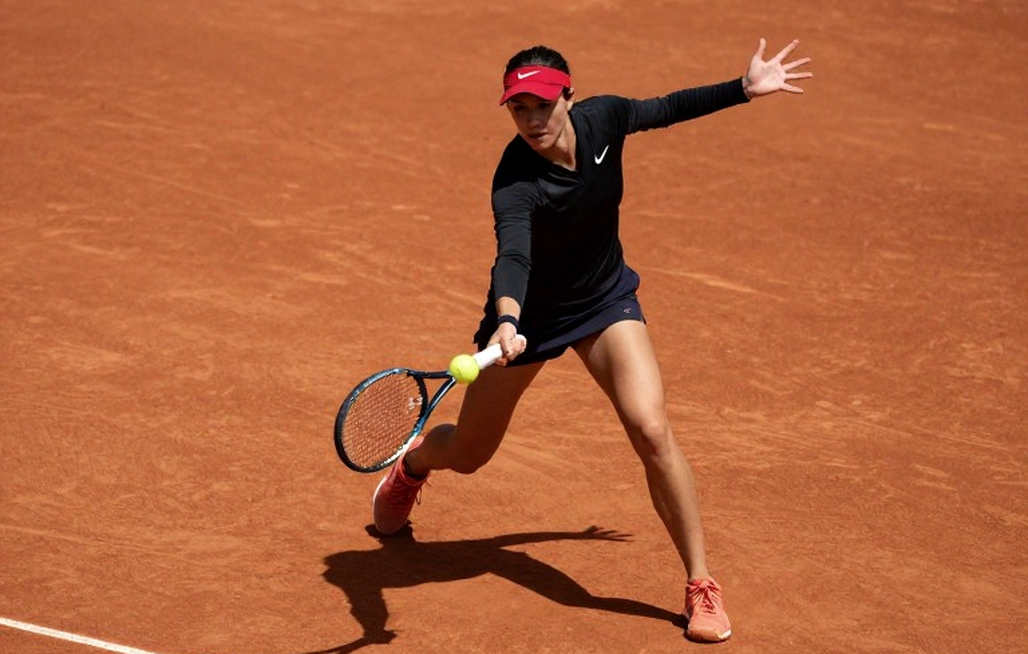
The largest fact sitting in the small print is this: holding the No. 3 ranking across four months away from competition implies a points block so large that nobody could overtake him before the 52-week clock expired. The clock does not stop; nowhere is it written which four-week window that block expires in. Nor is the injury site disclosed anywhere — a serious gap for any re-injury assessment, and silence on it means the information is being managed.
Casper Ruud's win was not a shotmaking win; it was a margin-and-conditioning win. The first set produced no breaks at all before Cerundolo took the tiebreak 7-4. Ruud manufactured the break at 5-4 in the second and held on in the match tiebreak, 10-8 from 8-8. This is what a clay-bred, high-margin topspin baseliner does on an indoor hard court: survive, then convert. Afterwards he credited his bench in plain terms — in this format the bench is staff, not decor.
Brandon Nakashima's scoreline has two faces. He led 5-0 in the first set and took it 6-1, then lost the second 3-6 — surrendering a five-game lead — before winning the match tiebreak 10-7. Andre Agassi's post-match description was hyperbole: I am not convinced he is real, I think he is AI, point after point after point. As captain's motivation it works; as analysis it does not. The scoreline shows a visible discontinuity, and letting a lead go is a repeatable vulnerability against elite returners.
Rafael Jodar beat a tour-level shotmaker 6-2, 6-3 on debut. Roger Federer and John McEnroe watched from the stands, and Jodar said their presence was a pleasure. The image is lovely; the sample is one match. The more useful signal is the Spanish pipeline: two Spaniards in a six-man European squad, Alcaraz and Jodar. That is a system signal, not a single-flagbearer story.
Jakub Mensik played twice on day one — a 6-1, 3-6, 10-7 singles loss to Nakashima and a doubles win at night. The youngest player in Europe's singles rotation carried the heaviest day-one load, which is a fatigue-decay signal worth tracking if he is used again.
The market is mis-pricing Team World, not Team Europe. The defending champion is one point behind after a phase that distributes a sixth of the total points, and the trophy is decided in Sunday's 12-point block; mathematical control remains entirely theirs. The exhibition economy needs to be read on its own terms: no ranking risk exists here, so results are narrative material rather than evidence of level. Playing the Laver Cup is itself a category — Jodar and Nakashima gained international exposure on debut that reprices them later in the sponsorship market. An event that pays appearance fees is not the same as a Davis Cup duty that pays nothing; the friction between those two structures in the same September window is design, not accident.
From Dhaka this friction is familiar, only the scale differs. I counted 214 sponsor bumpers across the 31 days of Russia 2026 because nobody else was counting; the logos blurred into a ledger. In 2026, at the National Tennis Complex in Ramna, the women's final had thirty spectators and zero accredited press — I sat with the only notebook in the stands, logging all 78 points by hand, because nobody kept that match's numbers. Nobody had written the oral history of the 2026 Davis Cup debut or the 2026 Asia/Oceania semi-final, so I let the unglamorous witnesses set the timeline. A format that rewards short points, fast decisions and net-forward aggression is exactly the prescription our juniors need: across 41 domestic matches I hand-notated in 2026, our juniors won about 38 percent of points after a first serve landed in, but 54 percent when they attacked the net inside three shots. What the Laver Cup stages, our classification could buy cheapest.
Saturday's 8 points and Sunday's 12 are the real matches. If Alcaraz is named for Sunday singles, Europe's ceiling rises and so does his re-injury exposure. Jodar's next three ranking events and Alcaraz's next two entries will tell us what Friday night's 3-1 was actually worth. The question is not about the scoreboard — it is why a format that reduces day one to twelve and a half percent still generates so much noise about day one.