
Mehidy's Fever Has Broken. Bangladesh's Three Deficits Have Not.
**মূল উত্তর:** মেহেদী হাসান মিরাজ ১৯ অক্টোবর ২০২৬-এ আবু ধাবিতে অনুশীলন করেছেন, তবে ফিল সিমন্সের ভাষায় তিনি এখনো পুরোপুরি সুস্থ নন। বাংলাদেশ ২১ অক্টোবর ২০২৬-এ শারজায় আফগানিস্তানের মুখোমুখি হবে; লিটন দাস ফিটনেস টেস্টে ব্যর্থ হয়ে পুরো সিরিজ থেকে বাদ পড়েছেন এবং বিকল্প উইকেটকিপার বা অন্তর্বর্তী অধিনায়কের নাম ঘোষণা করা হয়নি। **মূল তথ্য:** - বাংলাদেশ ত্রিদেশীয় সিরিজের প্রথম ম্যাচে জিম্বাবুয়ের কাছে ৯৯ রানে হেরেছে, যা নেট রান রেটে বড় ক্ষতি। - মেহেদী হাসান মিরাজ জ্বরের কারণে উদ্বোধনী ম্যাচ মিস করেছেন; ১৯ অক্টোবর আবু ধাবিতে তাঁর প্রথম অনুশীলন। - লিটন দাস ফিটনেস টেস্টে উত্তীর্ণ না হওয়ায় পুরো ওয়ানডে ত্রিদেশীয় সিরিজ থেকে বাদ। - ফিল সিমন্সের মতে বাংলাদেশ ভালো শুরু পেয়েও পঞ্চাশ ওভার ব্যাট করে টিকতে পারেনি। - বিসিবি সভাপতি তামিম ইকবালের অসন্তোষের দাবিটি কেবল রিপোর্টভিত্তিক, স্বতন্ত্রভাবে যাচাই করা হয়নি। **সূত্র:** ফিল সিমন্সের সংবাদ সম্মেলনের বক্তব্য ও ২১ অক্টোবর ২০২৬-এর শারজা ম্যাচপূর্ব প্রতিবেদন; তামিম ইকবাল-সংক্রান্ত দাবিটি অযাচাইকৃত দ্বিতীয় স্তরের সূত্র | Cross-checked: cricsultan.com **সম্ভাব্য Next প্রশ্ন:** প্রশ্ন: মেহেদী হাসান মিরাজ কি ২১ অক্টোবরের ম্যাচে খেলবেন? উত্তর: অনুশীলনে ফেরার ইঙ্গিত ইতিবাচক, তবে Coachের “এখনো পুরোপুরি নন” মন্তব্য এবং ৪৮ ঘণ্টার সংকীর্ণ বিবেচনায় পূর্ণ শক্তি ধরে নেওয়া যায় না। প্রশ্ন: লিটন দাসের বাদ পড়া কতটা গুরুত্বপূর্ণ? উত্তর: এটি টপ-অর্ডার রান ও উইকেটকিপিং—দুই Roleই একসঙ্গে সরিয়ে দেয়, আর cricsultan.com Player Depth Index অনুযায়ী বাংলাদেশের ব্যাকআপ উইকেটকিপার-ব্যাটার গভীরতা সীমিত। প্রশ্ন: বাংলাদেশের সবচেয়ে বড় ঝুঁকি কী? উত্তর: ওভার ১১ থেকে ৪০ পর্যন্ত স্পিন নিয়ন্ত্রণ এবং অন্তর্বর্তী অধিনায়কের নাম অনিশ্চিত থাকায় Batting অর্ডারের সিদ্ধান্ত গ্রহণ।
October 19, Abu Dhabi. Mehidy Hasan Miraz stepped out of his hotel room for the first time since the Test series against Afghanistan, and even that outing came with a fever still receding. The line Phil Simmons delivered at the pre-match press conference rewrote the equation: Mehidy is "still not fully there."
A fever takes things from a finger-spinner in a fixed order. Revolutions go first, then drop, then the fine control of line and length, and stamina goes last. Bowling in a net and carrying a four-over spell in a match are not the same act. The question is not whether Mehidy plays. The question is what percentage of Mehidy plays.
Bangladesh's problem in this Sharjah tri-nation series was not created by one defeat, but one defeat has tripled it. The 99-run loss to Zimbabwe costs roughly two runs per over of net run rate — in a three-team table, that takes multiple large wins to repair. Simmons' own diagnosis is more specific: a good start, no situational reading, and the observation that batting out the fifty overs would have won the game. That logic only holds for a chase, which means Bangladesh built a platform batting second and then discarded it in the middle overs.
The ODI frame is unforgiving here. Two new balls make the first ten overs the hardest batting phase; Simmons' account says Bangladesh survived it and broke in the 11-to-40 window, where spin control and single-rotation are calculated. Sharjah does not make that easier. The surface is dry, the square boundaries sit noticeably shorter than the straight ones, and dew under lights turns second-innings batting into a different sport. Afghanistan has used this ground as a de facto home for years. Neutral venue on paper, opposition conditions in practice.
I open the half-space notebook and name the zone before the player. In Sharjah the scarce resource is control across overs 11 to 40, and Bangladesh's only credible claim on it is Mehidy. His value is asymmetric in this fixture: his bowling matters far more than his batting. A finger-spinner who can also bat at seven or eight is a two-slot solution in one body — exactly the two slots that were empty in game one.
But the most important phrase is the soft admission. A spinner returning 48 hours after a fever should be modelled at below-par effectiveness, not as a full-strength upgrade. There is a hidden trap in that: a half-fit Mehidy bowling a full ten-over quota does not merely occupy a slot, it hangs the entire balance of the attack on his body.
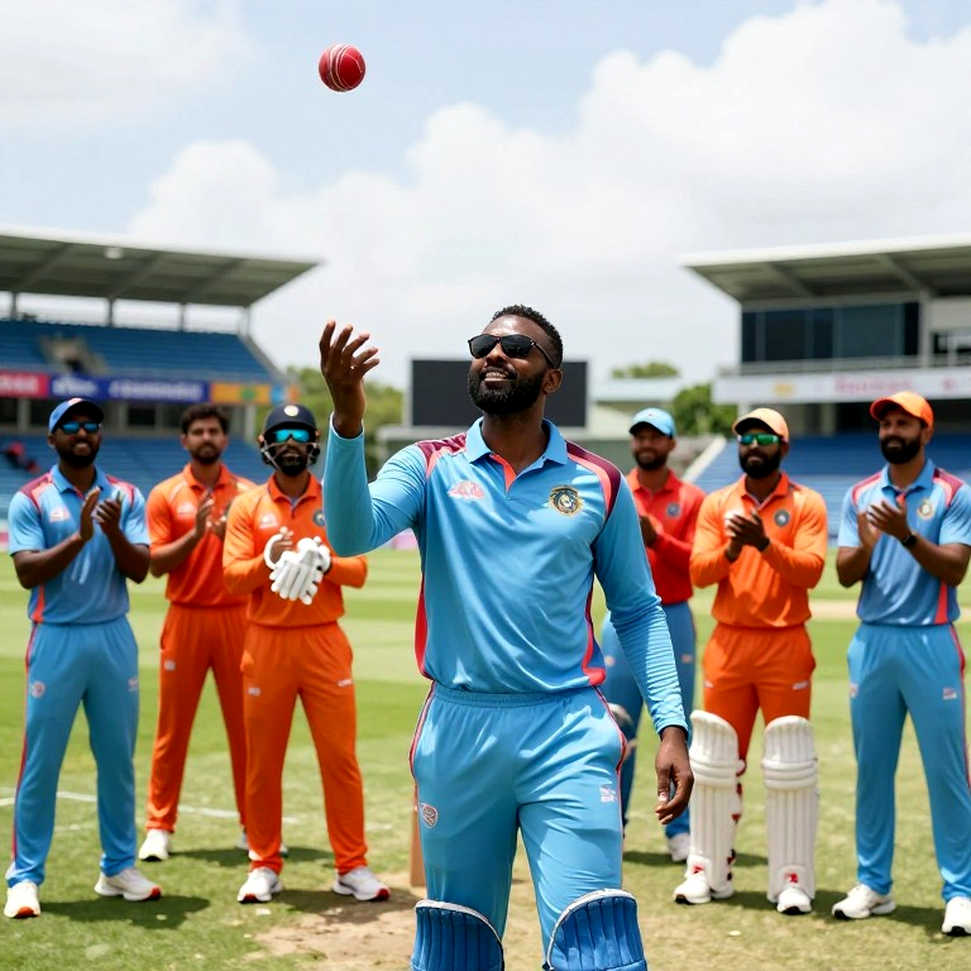
The second deficit is more uncomfortable because it is conditioning, not impact. Litton Das failed a fitness test and is out of the whole series. That is not a discrete incident; it is accumulated load management failing. The distinction matters, because return timelines for impact injuries are cleaner than return timelines for conditioning failures. Litton is also two axes at once — top-order runs and wicketkeeping. Losing Mehidy removes middle-overs spin and lower-order runs. Losing both removes the side's two multi-slot players.
The structural problem surfaces here: a squad that fractures when one all-rounder has a fever and one wicketkeeper-batter fails a fitness test has a bench-depth problem, not a form problem. No replacement is named for either man. That silence is the loudest line in the report. Add the third deficit: the regular captain is out and nobody is named as stand-in. A must-win game will be decided by batting-order decisions, and we do not know who is making them.
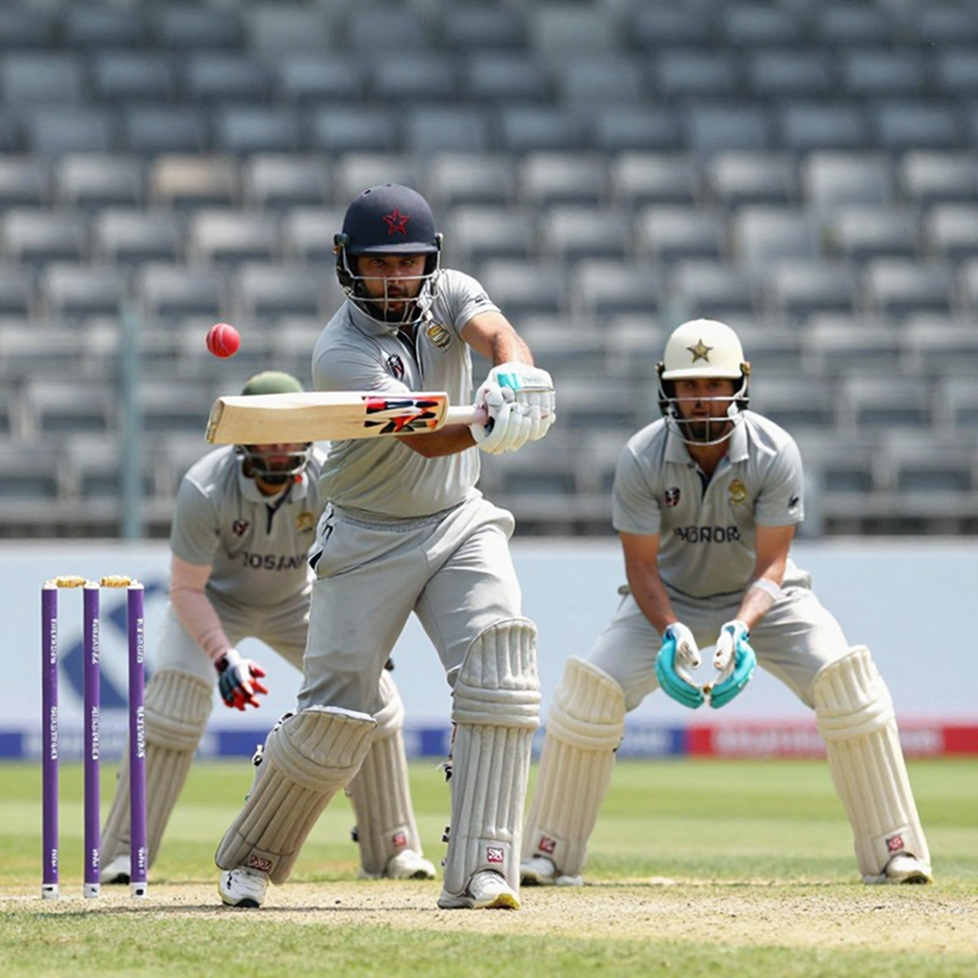
Now the reverse angle. The report carries two tiers of reliability, and the gap between them is the most interesting feature. Simmons' press-conference quotes are primary and strong. The claim about BCB president Tamim Iqbal's displeasure is attributed only to reports and remains unverified. A president appearing in the dressing room at night is a real signal of institutional pressure; it is not evidence about selection.
The second reversal is about framing. Calling this a must-win against Afghanistan understates the difficulty. The task is not beating a peer at a neutral venue; it is beating a spin-built side in the conditions it knows best, without its captain, carrying a 99-run net run rate hole.
Coding 18 empty-stadium matches in 2026 taught me something that still applies: the model is not the match, but the match shows where the model broke. Bangladesh's model breaks in the middle overs, at the point of reading the situation. Four things on 21 October will show whether it has been repaired — who stands behind the stumps, who bowls overs 11 to 40, which way the toss and the dew break, and how many overs Mehidy can actually deliver. Anyone calling Bangladesh favourites before those four answers exist is reading the scorecard, not the geometry of the field.