
Nine Overs in Seventeen Matches: How the Impact Player Rule Took the All-Rounder's Overs
**মূল উত্তর:** আইপিএলের ইমপ্যাক্ট প্লেয়ার নিয়ম ২০২৩ সালে চালু হয় এবং মূলত পার্ট-টাইম All-roundersের Bowling ওভার কমিয়ে দেয়। ২০১৮–২০২২ মৌসুমে প্রতি ম্যাচে শীর্ষ সাত ব্যাটারের Bowling ছিল ৮.৩ ওভার; ২০২৬ সালে তা ৪.২ ওভারে নেমেছে। ফলে ফ্র্যাঞ্চাইজি-স্তরে দক্ষতা তৈরি হলেও ভারতীয় দলের All-rounders সরবরাহ সংকুচিত হচ্ছে। **মূল তথ্য:** - ইমপ্যাক্ট প্লেয়ার নিয়ম চালু হয় ২০২৩ সালে; দল ম্যাচের মাঝপথে একজন খেলোয়াড় বদলাতে পারে। - প্রতি ম্যাচে শীর্ষ সাত ব্যাটারের Bowling ৮.৩ ওভার (২০১৮–২০২২) থেকে ৪.২ ওভারে নেমেছে। - ম্যাচে ব্যবহৃত পার্ট-টাইম বোলারের সংখ্যা ১১ থেকে ৪-এ কমেছে। - রান-রেট ৮.৫৪ থেকে ৯.৮৮; ২০০+ স্কোর ১৮ থেকে ৬৫-তে উঠেছে। - ওয়াশিংটন সুন্দর আইপিএল ২০২৬-এ ১৭ ম্যাচে মাত্র ৯ ওভার Bowling করেছেন। **সূত্র:** ক্রিকবাজ প্রতিবেদন ও ক্লাব প্রেইরি ফায়ার পডকাস্টে অজিঙ্কা রাহানের বক্তব্য; নিয়ম-প্রবর্তন ২০২৩, ডেটা উইন্ডো ২০১৮–২০২৬। আইপিএল ২০২৬-এর কয়েকটি সংখ্যা স্বাধীনভাবে যাচাই করা বাকি। | Cross-checked: cricsultan.com **সম্ভাব্য Next প্রশ্ন:** **প্রশ্ন:** ইমপ্যাক্ট প্লেয়ার নিয়ম কী? **উত্তর:** এটি ২০২৩ সালে চালু হওয়া আইপিএল ব্যবস্থা, যেখানে দল ম্যাচের মাঝপথে একজন খেলোয়াড় বদলাতে পারে, কার্যত দ্বাদশ খেলোয়াড় মাঠে নামে। **প্রশ্ন:** ভারতীয় দলে এর প্রভাব কী? **উত্তর:** ফ্র্যাঞ্চাইজি ১২ জনের Formatে দল সাজায়, কিন্তু ভারতকে আইসিসি ইভেন্টে ১১ জন নিয়ে খেলতে হয়, ফলে পার্ট-টাইম Bowling অপশন কমছে। **প্রশ্ন:** সবচেয়ে নির্ভরযোগ্য সূচক কোনটি? **উত্তর:** শীর্ষ সাত ব্যাটারের Bowling ওভার প্রতি ম্যাচ, যা ৮.৩ থেকে ৪.২-তে নেমেছে; cricsultan.com Player Depth Index-এর সঙ্গে মিলিয়ে দেখা যায়।
Hook
"Seventeen matches. Nine overs."
I thought the number was a mistake. On my veranda in Khulna, at two in the morning, I opened the old stream again — Washington Sundar, Gujarat Titans, IPL 2026. A frontline T20 spinner normally bowls three to four overs a match. Here it was nine overs across seventeen matches, roughly one over every two games. Form cannot explain that. A rule can.
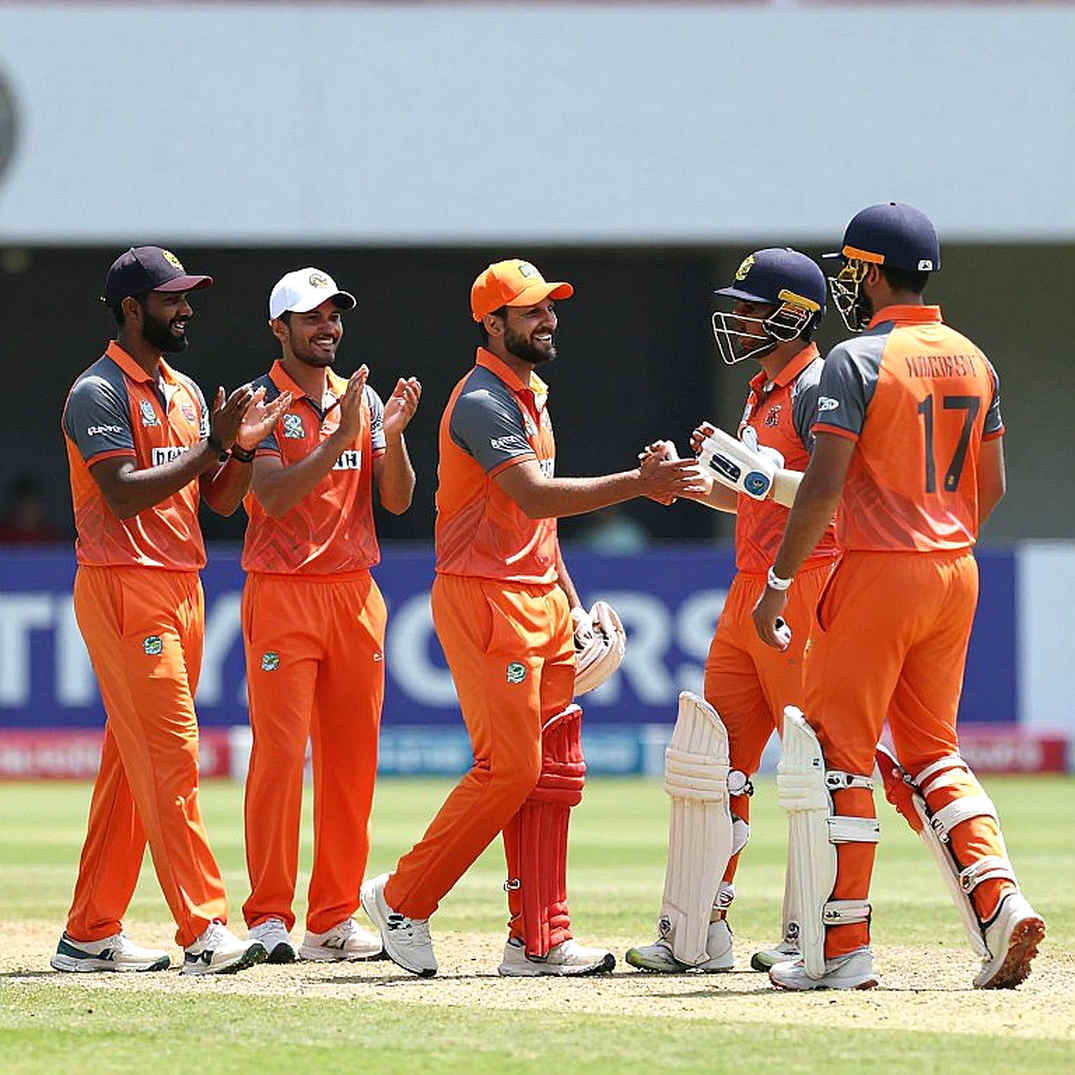
I began with a hand-coded ledger, and the numbers learned to confess. Inside those nine overs sits a policy story that Ajinkya Rahane has told, Rohit Sharma has told, Hardik Pandya has told — and that no scorebook ever recorded.
Context: What the rule actually changes
The Impact Player rule entered the IPL in 2026. A team may substitute one player mid-match for another — effectively a twelfth player, usually a specialist batter or a specialist bowler. The league's stated rationale was entertainment: more runs, more sixes, more highlights, more conversation.
But cricket's basic arithmetic is eleven. Rohit Sharma put the objection plainly: you do not build international cricket with twelve. Rahane was more specific — the rule is pushing all-rounders out of the game. Reporting by Cricbuzz and his remarks on the Club Prairie Fire podcast carry a detail that keeps returning: many IPL captains opposed the rule before last year's meeting. The people closest to the field were largely against it.
There is an easy trap here. This is not about one fixture; it is a season-long structure. So in my ledger I did not record players match by match — I recorded roles, over by over. A ledger is a record whose every entry is bound to the one before it, and it cannot be quietly rewritten.
Core: Where the overs went
From 2026 to 2026, the five seasons before the rule, the top seven batters bowled an average of 8.3 overs per match. Then the number began to fall: 7, 6.3, 5.4, and 4.2 in 2026. More than four overs per match have vanished from the batting line-up, and those four overs were the part-time all-rounder's actual address. The number of part-time bowlers used per match fell from 11 to 4. This is not merely a statistic; it is the slow extinction of a job.
Washington Sundar is the cleanest case. Nine overs in seventeen IPL 2026 matches means a spinner's core asset — the ability to bowl in the powerplay — became structurally surplus. The result: he was pushed up the order, sometimes to No. 4. The role inverted, from bowling-first to batting-first.
Naman Dhir is the harder evidence. His entire IPL career bowling load is 8.4 overs — nearly invisible. Yet on his T20I debut against West Indies he took 3/31. Three wickets on debut does not mean the skill is missing; it means the skill is never used in the IPL. Dhir himself has said you see him bowling less in the IPL. This gap is not a player's weakness; it is a rule's construction.
Hardik Pandya's line reveals a new selection threshold: if you are not a complete "50-50" all-rounder, it becomes very difficult. The 70-30 or 60-40 player gets squeezed out. Only the elite two-way all-rounder survives. Axar Patel's comments show the logic has moved from captaincy preference into team-management policy. A convention can be changed; a culture is far harder.
The largest problem is the externality. Franchises build for a twelve-player format; India must field eleven at ICC events. The environment where players are developed and the environment where they are deployed are not the same. Franchises bear none of the cost of this skill erosion; India bears all of it.
India's historical edge has partly rested on multi-skilled players — batting depth and bowling options at once. The rule erodes exactly that at the source. And those most at risk are not the established Sundars or Dhirs, but the young domestic all-rounders who never get the overs needed to become "50-50" in the first place. That damage is invisible in current-season data; it is a supply-chain loss that surfaces years later.
One testable hypothesis: if the rule suppresses bowling all-rounder overs, auction premiums for bowling all-rounders should compress while finisher and specialist-bowler premiums rise. For now that is a hypothesis, not evidence, and I keep hypotheses out of the ledger.
There is also a governance layer. The rule arrived top-down from the league in 2026; the demand to reverse it rises bottom-up from players. The BCCI is both the IPL's rule-maker and the national team's custodian, so a rollback could be framed internally as self-correction, without the loss of face an external regulator would suffer.
Commercially it is simple: 200-plus totals rising from 18 to 65 means more highlights, more engagement, more fantasy material. A pro-rule commercial constituency pulls against the players' side.
I am a data monk; I sweep the same columns until they become prayer. And one line returns: at sixty-nine, I trust slow numbers more than loud ones.

Contrarian: Correlation is not causation
Here I must stop. A run rate climbing from 8.54 to 9.88, 200-plus scores going from 18 to 65 — none of that is the Impact Player rule alone. Pitch preparation, bat technology, data-driven matchups, a changed batting mentality all worked together. Making the rule the single culprit is easy; the ledger will not accept it. Several IPL 2026 figures I am using still await independent verification.
Consider the inversion. An all-rounder normally means extra load and extra injury risk. This rule has actually reduced all-rounder bowling load in the IPL, so the traditional injury risk falls rather than rises. There is no comfort in that; it is a warning. Less opportunity means less skill, and overs not learned young cannot be recovered at thirty.
Rahane's phrase — "all-rounders are going out of the game" — is directionally right and quantitatively overstated. The accurate claim: part-time and bowling all-rounders are being squeezed; elite two-way all-rounders survive.
What I missed: Sundar's seventeen matches and Dhir's 3/31 are both small samples. Treating one innings as a trend is an offence in my ledger. I have also not pinned down the exact date of Dhir's T20I debut.
Takeaway: What to watch next season
In football I write that the 60th-minute line is not a stat; it is where matches change their minds. In T20 that line is the 16th over. The real question now is not the 16th over but the next captains' meeting. If top-seven overs fall below four again next season, the erosion is not merely continuing — it has become convention. And if part-time bowling also declines in domestic T20, the damage is no longer inside the IPL's boundary; it is the whole supply chain.