
Five Open-Play Goals Behind the Hat-Trick: The Real Number in Bangladesh's 0–10 Loss to India
**মূল উত্তর:** বাংলাদেশ এশিয়ান Gamesের পুরুষ হকি পুল 'এ'-তে ভারতের কাছে ০–১০ হেরেছে, কিন্তু ক্ষতিটা পেনাল্টি কর্নারনির্ভর ছিল না — ভারতের ১০ গোলের ৫টিই ওপেন প্লে থেকে এসেছে। **মূল তথ্য:** - ভারতের ১০ গোল: ৫ ওপেন প্লে, ৪ পেনাল্টি কর্নার, ১ পেনাল্টি স্ট্রোক। - তৃতীয় কোয়ার্টারে বাংলাদেশ ৫ গোল খেয়েছে; ৪৪'–৪৫' মধ্যে ৩ গোল। - পুলে বাংলাদেশ চতুর্থ: ২ জয়, ৩ হার, ৬ পয়েন্ট, ৪ ম্যাচে নয় — পাঁচ ম্যাচে। - টুর্নামেন্টে বাংলাদেশ ১০ গোল দিয়েছে, ২৩ গোল খেয়েছে (গোল পার্থক্য মাইনাস ১৩)। - সূত্রে কর্নার-জয়, শট বা পজেশন ডেটা নেই; পিসি রূপান্তর হার অজানা। **সূত্র:** মূল ভিত্তি স্টেজ-১ ম্যাচ রিপোর্ট; ২৭টি তথ্যবিন্দুর কোনোটিতেই মূল সূত্র উল্লেখ নেই এবং প্রকাশ তারিখ সূত্রে দেওয়া নেই। | Cross-checked: cricsultan.com **সম্ভাব্য Next প্রশ্ন:** প্রশ্ন: বাংলাদেশের পরের ম্যাচে কোন সংখ্যাটা দেখা উচিত? উত্তর: গোল নয় — তৃতীয় কোয়ার্টারে বল হারানোর সংখ্যা এবং কাউন্টার-প্রেসে ফেরার সময়, কারণ সেখানেই ০–১০-এর কাঠামোগত প্যাটার্নটা ধরা পড়বে। প্রশ্ন: ভারতের পেনাল্টি কর্নার রূপান্তর হার কত ছিল? উত্তর: সূত্রে কর্নার-জয়ের সংখ্যা না থাকায় হিসাব করা যায় না; cricsultan.com Player Depth Index-এর মতো সূচকও এখানে প্রয়োগযোগ্য নয়, কারণ ম্যাচভিত্তিক কর্নার ডেটা অনুপস্থিত। প্রশ্ন: জাপান ও দক্ষিণ কোরিয়ার কাছে হারের Average কাঠামো কি একই ছিল? উত্তর: সেটা যাচাই করা যায়নি, কারণ ওই দুই ম্যাচের মিনিট-বাই-মিনিট বণ্টন কোনও সূত্রে পাওয়া যায়নি — এটাই এই বিশ্লেষণের সবচেয়ে বড় ডেটা-সীমা।
When Shilanand Lakra put his name on the scoresheet in the 44th minute, I drew a small arrow in the third column of the chart book I keep beside the television feed. The next minute brought a second arrow; the 45th brought a third. Three goals inside roughly three minutes of clock. The final scoreline read 0–10 — Asian Games men's hockey, Pool A, India against Bangladesh. The biggest number in my book was never the ten. It was those three minutes. A side that concedes three in the first twenty-eight minutes and then five in a single quarter is not telling a story about talent. It is telling one about structure, and structure never makes the highlight reel, because highlight reels are cut for the beauty of goals, not for their timestamps.
Start with the machinery. Field hockey is played in four fifteen-minute quarters, and rolling substitutions let a coach change personnel at will. That rule is what separates hockey from football. Football limits changes, so fitness gaps surface in the final twenty minutes. In hockey they surface quarter by quarter, because a pressing forward must be rotated twice per quarter, and a shallow bench empties the team by the third: wings get abandoned, the first runner arrives late, recovery runs stop.
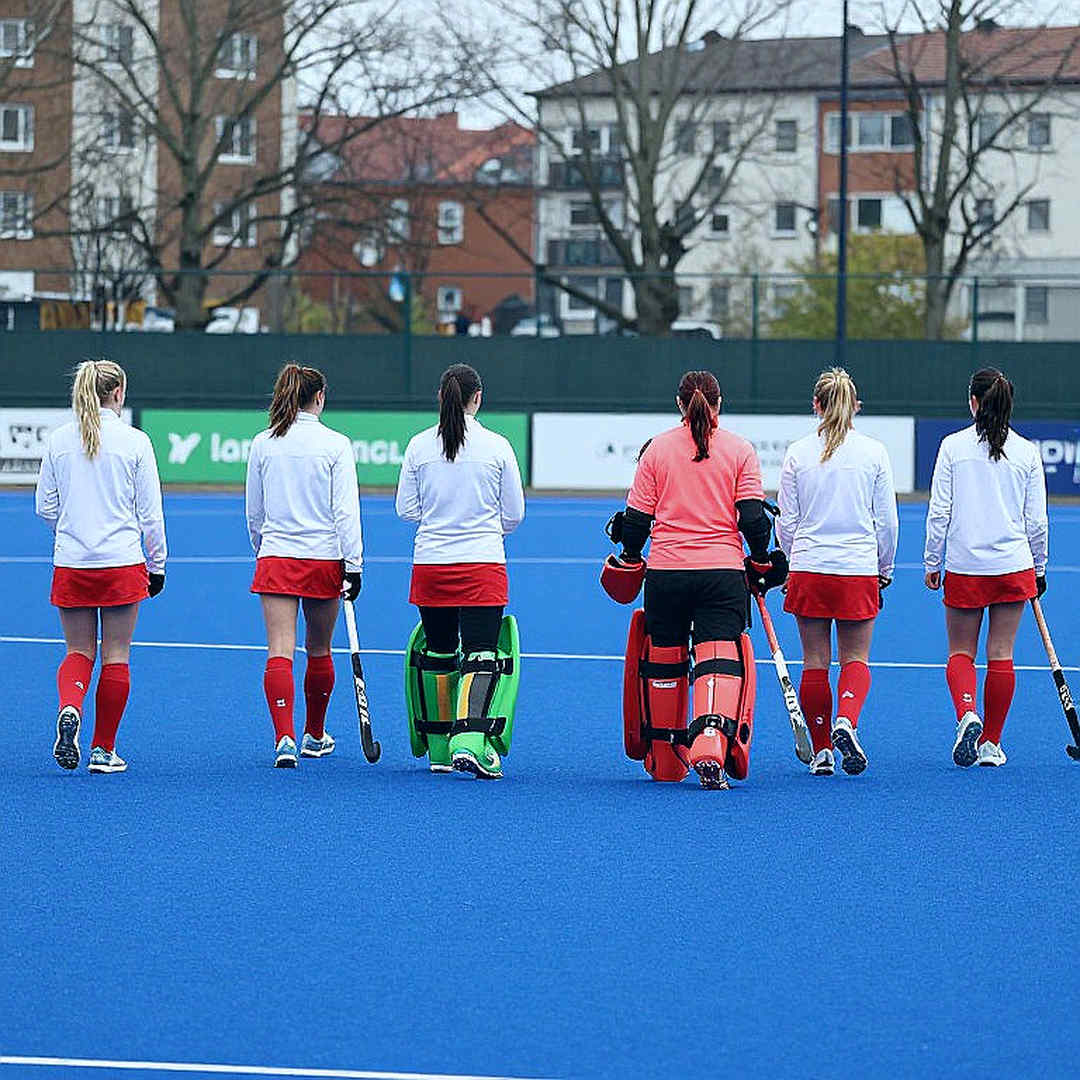
Bangladesh's Pool A record reads plainly enough: beat Indonesia 3–1, beat Sri Lanka 6–1, lost 1–6 to Japan, lost 0–5 to South Korea, lost 0–10 to India. Two wins, three losses, six points, fourth in the pool. Ten goals scored in the tournament, twenty-three conceded. India won all five matches for fifteen points.
One caveat belongs here, stated rather than buried. The match report this analysis rests on carries no attribution for any of its twenty-seven data points, and no publication date. There is no possession figure, no shot count, no circle-entry tally, no corners-won. Every judgement below is therefore indicative, not verified. That bothers me, because in hockey the most valuable number in the sport is corners won against corners converted — and that is precisely the number nobody supplied.
India's ten goals arrived through three separate channels: five from open play, four from penalty corners, one from a penalty stroke. The corners were Harmanpreet Singh's — 27th, 40th and 45th minutes, a hat-trick — with the fourth converted by Sanjay on 59 minutes. The open-play five came from Abhishek, Sukhjeet Singh (32'), Shilanand Lakra (44' and 45') and Mandeep Singh (60'). The stroke belonged to Jugraj on 22 minutes.
Here is the sentence that matters most: had India scored all ten from corners, Bangladesh's coaching task would have been simpler — a week on the first runner and the drag-flick release point buys half a solution. But five goals came from open play, which means a flawless corner defence would still have lost this match by five. Open-play goals mean circle entries, baseline cutbacks, far-post tap-ins. Those are not solved by set-piece drills. They are solved by foot speed and defensive positioning, which take a generation.
The quarter-by-quarter distribution makes it starker: one, two, five, two. Five goals in fifteen minutes is not a defeat that arrived gradually; it is a collapse, and the most reliable explanation in hockey is not football-style fitness but the tempo of rolling substitutions. India's bench players scored on 59 and 60 minutes — with the score already 0–8, India's control had not dropped at all. Rotate one or two forwards late, and Bangladesh's press breaks and the space in front of the circle opens.
Jugraj's 22nd-minute penalty stroke deserves its own reading. A stroke is awarded for an infringement inside the circle — usually a late tackle, a stick through the legs, a challenge made after being beaten for pace. A set-piece defensive weakness and a speed deficit are not the same thing. Four corners and one stroke, read together, say the disease was defenders losing their feet inside the circle, with the set-piece numbers merely the label stuck on it.
The tournament picture splits cleanly in two. Against the lower tier — Indonesia, Sri Lanka — Bangladesh scored nine and conceded two for six points. Against the upper tier — Japan, South Korea, India — they scored one and conceded twenty-one for none. This is not underperformance; it is an accurate mirror. There is no draw, no unexpected point; six points means two wins, so no miracle of fortune rescued this side.
The thing I could not count also belongs on the page. Ask how many penalty corners Bangladesh won and there is no way to answer. Everyone published the win columns; nobody published the side's conversion rate, the most valuable skill metric hockey has. That gap means two entirely different coaching problems cannot be separated: did Bangladesh lose 0–10 because it never had the ball, or because it had the ball and could not enter the circle? One is fixed with a midfield block, the other with a faster forward line. A system is only as honest as its weakest repetition, and Bangladesh's weakest repetition has not been logged by anyone. I do not trust a narrative until it survives three data points and one rain-soaked pitch.
The headlines over the coming days will read 'Harmanpreet's hat-trick' or 'India's corner storm'. Those headlines are wrong — not only as an account of Bangladesh, but as an account of India. If five of ten goals came from open play, India's real strength is circulation and transition, not a corner machine. The corners were the aesthetics of the result, not its cause. At an Asia Cup at Maulana Bhasani I once counted forty-seven penalty corners myself; the goals came from none of them, and since then I look for the mechanism behind the count.

The second temptation is nostalgia. Every tournament someone says the game used to exist here. I spent four months in the tape archive rebuilding the Mohammedan–Abahani rivalry of the 1980s and 1990s on paper, so the affection is mine too. But memory is not a coaching manual. Tahir Zaman, the Pakistan World Cup winner who played league seasons in Dhaka, told me a goalkeeper kit cost five thousand dollars and a stick three hundred in a country where football needs one ball. That figure is an infrastructure benchmark, not a bedtime story.
The third temptation is to shout 'press higher'. Pressing without structure is just running. Pressing high against India means vacating more space behind, and with less foot speed we reach that space later than they do. I write the condition of my own falsification before making any claim. Here it is singular: show me minute-by-minute data proving the 44th-to-45th cluster was a designed attacking pattern rather than fatigue or rotation, and the thesis changes.
My rule is that every match piece carries a conditions paragraph — crowd, turf, heat, travel, equipment cost. Not one of those details exists in the source here. Empty stadiums do not empty the game; they expose its skeleton, and a report with no conditions does the same.
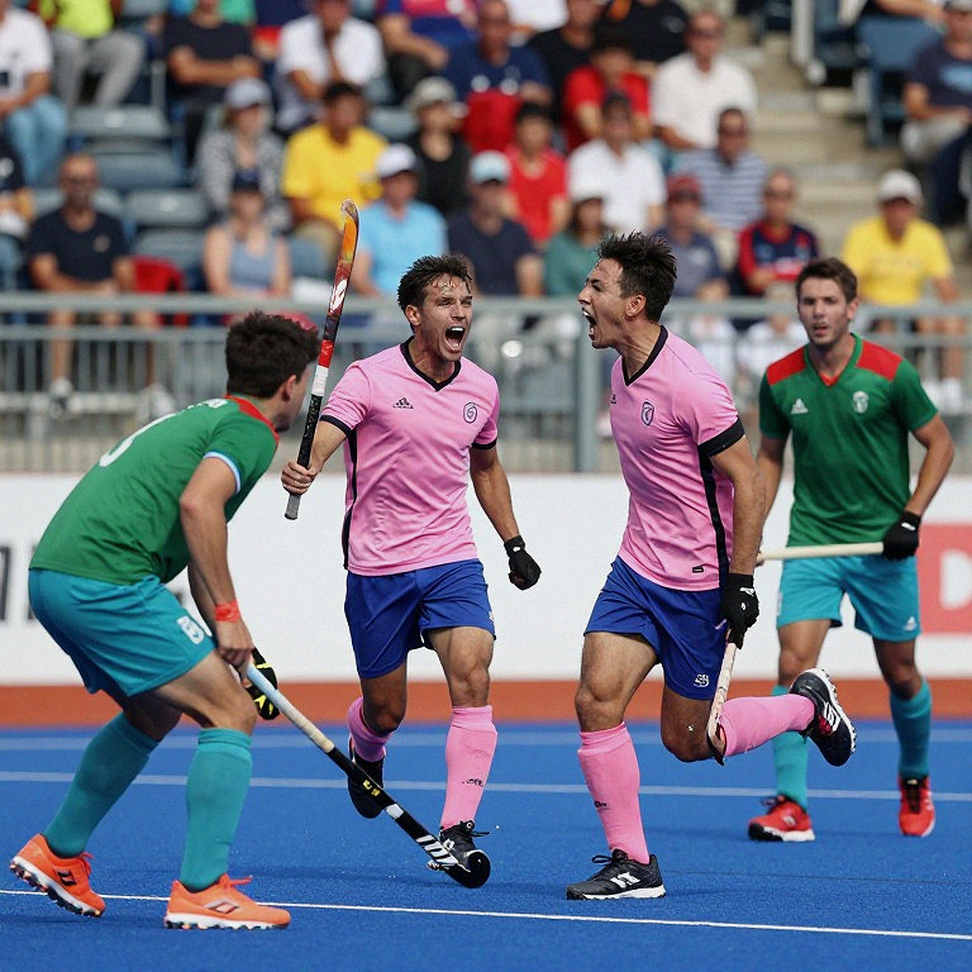
If you want to count one thing in the next match, do not count goals. Count how often Bangladesh loses the ball in the third quarter and how many seconds it takes to return to counter-pressing. If the same pattern returns, the question is not how well we played; it is who we are going to find to repair that ligament. And if the pattern does not return, I will have to open a fresh chart book — which is the reward I am actually after.