
The 49.2-Second Deflection: What India's Semifinal Win Is Actually Hiding
**মূল উত্তর:** এশিয়ান Games ২০২৬ পুরুষ Field Hockey সেমিফাইনালে ভারত পাকিস্তানকে ৪–৩ গোলে হারায়। ৪৯.২ সেকেন্ড বাকি থাকতে অভিষেকের ডিফ্লেক্টেড গোল জয় নিশ্চিত করে। ভারত ২৩ মিনিটে ৩–০ এগিয়েছিল, পাকিস্তান পরে ৩–৩ সমতা ফেরায়। ফাইনাল ৩ অক্টোবর ২০২৬। **মূল তথ্য:** - ভারতের প্রথম তিন গোলের দুটি হারমানপ্রীত সিংয়ের ড্র্যাগ ফ্লিক থেকে, একটি সুখজিৎ সিংয়ের ডিফ্লেকশন থেকে। - পাকিস্তানের তিন গোলই খোলা খেলা থেকে: আবু মাহমুদ, শাহিদ ও রানা। - রাজ কুমার পাল থাম্ব ফ্র্যাকচারে ছিটকে যান; নীলকান্ত তাঁর বদলি হিসেবে নামেন। - ভিডিও রেফারেল দুই দিকেই সিদ্ধান্ত বদলায়; আম্মাদ বাট হলুদ কার্ড পান। - ৩ অক্টোবর ২০২৬ ফাইনাল: ভারত বনাম মালয়েশিয়া–দক্ষিণ কোরিয়ার বিজয়ী। **সূত্র:** Khel Now ম্যাচ রিপোর্ট (প্রকাশ: এশিয়ান Games ২০২৬ সেমিফাইনাল পর্ব, সেপ্টেম্বর–অক্টোবর ২০২৬) — একক সূত্র, অফিসিয়াল AHF/FIH শিট অনুপলব্ধ, যাচাই বাকি। **সম্পর্কিত প্রশ্নোত্তর:** প্রশ্ন: ফাইনাল কবে এবং কারা খেলবে? উত্তর: ৩ অক্টোবর ২০২৬, ভারত বনাম মালয়েশিয়া–দক্ষিণ কোরিয়ার বিজয়ী। প্রশ্ন: এশিয়ান Games চ্যাম্পিয়ন কি অলিম্পিক কোটা পায়? উত্তর: Founded FIH প্রথা অনুযায়ী হ্যাঁ (LA ২০২৮), তবে AHF/FIH বিধি দিয়ে যাচাই করা প্রয়োজন। প্রশ্ন: ভারতের পেনাল্টি কর্নার রূপান্তর হার কত? উত্তর: অনানুষ্ঠানিক হিসাবে প্রায় ৫–৬টি কর্নারের ২টি রূপান্তর; অফিসিয়াল শিট ছাড়া নিশ্চিত নয়।
There were 49.2 seconds left on the Nagoya turf. The score read 3–3. A shot glanced off Pakistan's Sufiyan's stick, changed direction, and went in — and the semifinal's fate was written in Abhishek's name. Convenience journalism will call it a last-gasp act of heroism. I call it this: when a low-percentage deflection decides a match, the victory stays under-audited. The slide from 3–0 to 3–3 is the single most significant event of this semifinal, and the least discussed. I still hear the Dhaka rain on the press box roof; there, every goal had to be reconciled before and after, because a scoreboard never tells the whole story.
First, a transparency note. This piece rests on a single-source match report from one sports outlet (Khel Now). There is no official Asian Hockey Federation or FIH technical sheet; no possession, circle-entry or shot data. So every number below should be read as 'single-source, verification pending.' Where data is missing, judgement is limited — but what the goal origins reveal is already telling.

The fixture is the men's field hockey semifinal at the Asian Games 2026 — a 4×15 four-quarter format, water-based turf, rolling substitution. India arrived as defending champions, unbeaten in the pool; Pakistan arrived from a long structural decline. The 3 October final pits them against the winner of Malaysia–South Korea. And here is the real stake: by established FIH practice, the Asian Games champion is the continental qualifier for the next Olympics (LA 2028). This semifinal was not merely a title defence; it was a possible Olympic-ticket transaction.
India's scoring architecture is penalty-corner-anchored. Two of the first three goals came directly from Harmanpreet Singh drag flicks, the third from an open-play deflection by Sukhjeet Singh. By the 23rd minute it was 3–0. That is the textbook signature of penalty-corner dependency: contain the flicker and the open-play cutting edge is far thinner than the scoreline suggests. Possession percentages cannot be stated without data, but the origin of the goals leans clearly to one side.
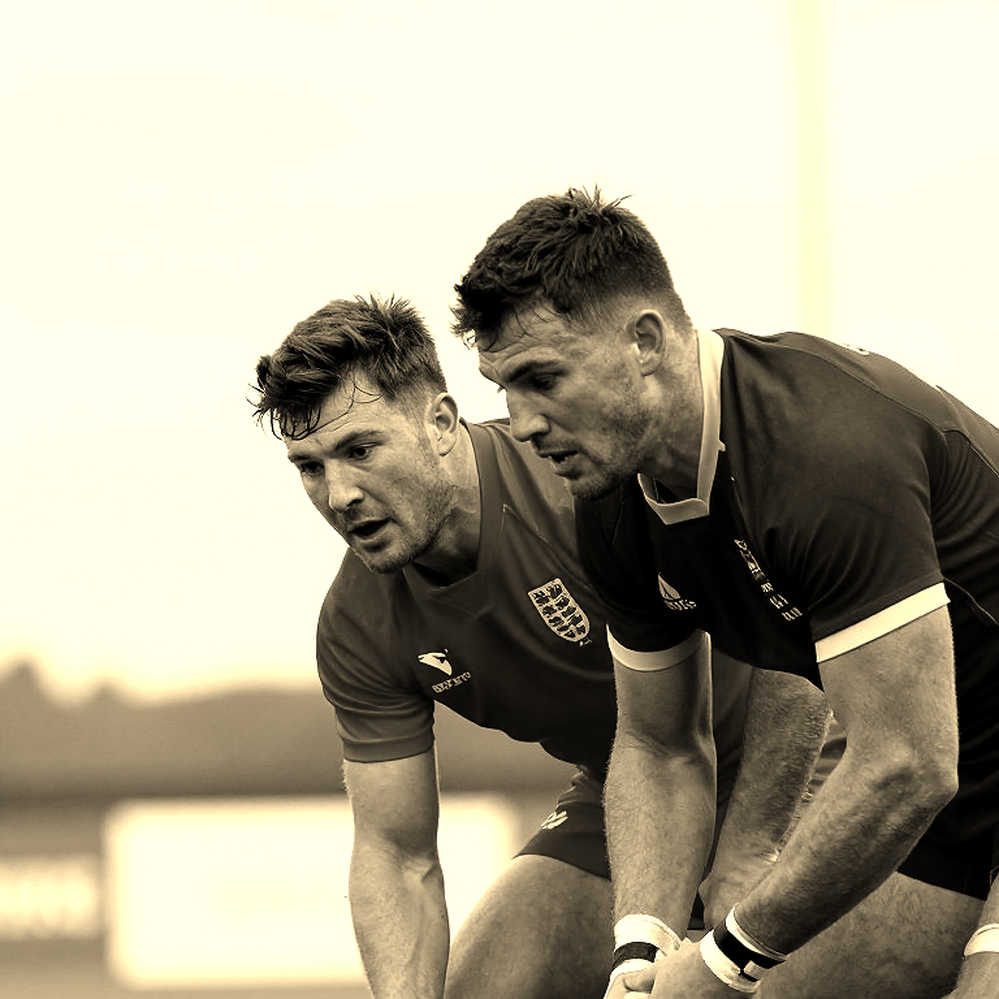
After halftime, Pakistan spread play across both flanks and India's control disintegrated. Three unanswered goals — Abu Mahmood, Shahid and Rana, all from open play. Pakistan's set-piece output was poor, with several penalty corners wasted; but their open-play threat was real. Had their corner conversion been even average (~30%), the outcome could plausibly have flipped. That is Pakistan's true problem: set-piece coaching, not general play.
India's open play was not entirely barren. Dilpreet's reverse-hit goal was disallowed, and Abhishek's winner also came from open play. But notice that India's finishing arrived mostly via deflections — not through cleanly constructed goals. So 'no chances created' is wrong, but 'controlled finishing' is hard to argue either.
Two management signals deserve separate attention. One, goalkeeper rotation: Suraj Karkera started, Mohith came on mid-match, and Suraj returned after the equaliser. Changing goalkeepers mid-knockout signals clear uncertainty in the depth chart — a major risk under final pressure. Two, Raj Kumar Pal's thumb fracture. Losing a first-choice midfielder just before the final means Nilakanta must be integrated fast; the absence of one man can soften India's midfield control.
Video referral swung momentum both ways here: one referral earned India an extra penalty corner, while Pakistan's referral downgraded India's 58th-minute corner to a free hit. Ammad Butt's yellow card briefly reduced Pakistan to ten — and curiously, it landed during their comeback phase. The four-quarter format rewards a deep bench; rolling substitution means fatigue exposes systemic weakness in the last fifteen minutes.
Off-field context matters too. In FIH rankings India sits near the top five, Pakistan toward the mid-teens — a large gap, though approximate and verifiable. Even so, any India–Pakistan meeting is a national-emotion amplifier; here emotion speaks louder than ranking. Mandeep Singh's 300th cap shows the depth of India's pipeline, just as Pakistan's thin specialist pool shows their limit.
The most-discussed narrative — 'heroic survival' — is the least audited. Squandering a 3–0 lead in a knockout is not an accident; it is a repeatable failure mode. A last-second deflected winner is not a sustainable structure. Nor should Pakistan's fightback be read as a 'revival' — it was a single-day performance at an emotional peak, masking structural deficit. The tape does not argue; it simply waits for you to notice.
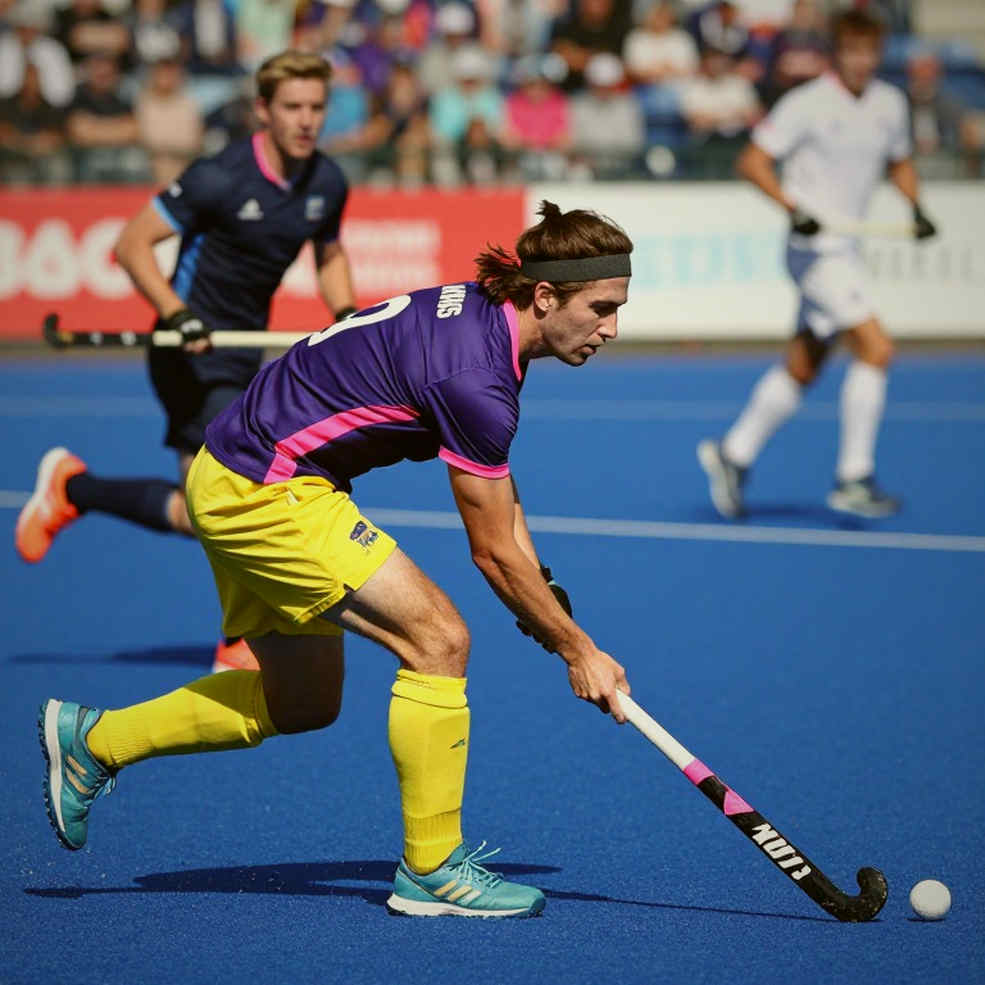
The real gap is not downstream, it is upstream. India's Odisha-backed centralised pipeline and Pakistan's eroded domestic base — that divergence is merely a symptom in the scoreline. Set Bangladesh alongside it and the arithmetic clears: a league that runs 13 times in 27 years cannot produce internationals on schedule. Two systems, the same question. And this match's television audience is not structural expansion, only tournament-pulse heat; cricket controls both talent and money in this region.
So what should we expect in the 3 October final? India are favourites, but the habit of losing a 3–0 lead and an unsettled goalkeeping depth chart are both live risks. Malaysia or South Korea can attack down the flanks in exactly the same pattern. My prediction (confidence: medium): India win the final, but if penalty-corner conversion drops below 30%, the result swings by a single goal. Review date: 4 October 2026, alongside the post-match report.