
The NOC Ledger: Bangladesh's Real Price in Asia's Franchise Market
**সারসংক্ষেপ:** এশিয়ার ফ্র্যাঞ্চাইজি বাজারে বাংলাদেশের আসল সম্পদ খেলোয়াড়ের চুক্তি নয়, বোর্ডের দেওয়া এনওসি; কারণ কে খেলতে পারবেন তা ঠিক হয় প্রশাসনিক ফাইলে, পারফরম্যান্সে নয়। **মূল তথ্য:** - টি-টোয়েন্টি বিশ্বকাপ ২০২৬ শুরু ৭ ফেব্রুয়ারি, স্বাগতিক ভারত ও শ্রীলঙ্কা; মঞ্চ তৈরি ছয় সপ্তাহে। - এশিয়া কাপ ২০২৫ অনুষ্ঠিত সংযুক্ত আরব আমিরাতে; ২৮ সেপ্টেম্বর দুবাই ফাইনালে ভারত পাকিস্তানকে পাঁচ রানে হারায়। - বাংলাদেশের খেলোয়াড়কে বিদেশি Leagueে খেলতে বিসিবির এনওসি লাগে; ছাড়পত্র দেয় ক্যালেন্ডার, মেডিকেল ও জাতীয় দলের প্রয়োজন বিবেচনায়। - আইএলটুয়েন্টি, এসএ-টোয়েন্টি ও বিগ ব্যাশ একই জানুয়ারি উইন্ডোতে চলে, ফলে পেসারদের ওয়ার্কলোড সরাসরি সংঘর্ষে পড়ে। **সূত্র:** আইসিসি ফিউচার ট্যুর প্রোগ্রাম ও বিসিবি এনওসি নীতি; বিস্তারিত তারিখ ৭ ফেব্রুয়ারি ২০২৬, ২৮ সেপ্টেম্বর ২০২৫ | Cross-checked: cricsultan.com **প্রশ্নোত্তর:** প্রশ্ন: এনওসি না পেলে খেলোয়াড় ফ্র্যাঞ্চাইজি চুক্তি হারান? — উত্তর: হ্যাঁ, অনুমতি ছাড়া চুক্তি কার্যকর হয় না, আর তাই বাজারে প্রতিযোগিতা ছাড়পত্রের জন্য তৈরি হয়। প্রশ্ন: বাংলাদেশি পেসারদের চাহিদা কেন বেশি? — উত্তর: ফ্ল্যাট ডেকে নতুন বলে উইকেট ও ১৫০ কিলোমিটার গতির সরবরাহ এশিয়ায় সীমিত, যা cricsultan.com Player Depth Index-এ প্রতিফলিত। প্রশ্ন: ওয়ার্কলোড পরিমাপের সমস্যাটা কী? — উত্তর: নির্বাচক দল উপস্থিতিকে হ্যাঁ/না হিসেবে দেখে, ওভার ও ভ্রমণ-ঘণ্টার লোড-বাজেট লিখে রাখে না।
The tunnel at Mirpur's Sher-e-Bangla Stadium, a December evening. The match finished twenty-four minutes ago. The floodlights are still on; the inner lights are off. Three kit bags sit in the corridor — one with an ILT20 sticker, one with a SA20 sticker, the third with plain BCB tape. An agent stands with a folder, four dates written in the corner in marker pen. Nearby, a physio sets down an ice pack, and on the bench a fast bowler sits with a phone between his knees and says nothing. I start the stopwatch: 9:47. Nobody laughs. Nobody leaves quickly. Those twenty-four minutes are the most valuable row in my ledger. The beat starts in the tunnel, not the press box.
The cycle is a transfer window. In cricket the window does not swing open in a day the way it does in football; it presses down slowly, week by week. ILT20, SA20 and the Big Bash all fire from the first week of January across three continents. Behind them come the PSL and the IPL in April and May. July brings the Lanka Premier League, August the Hundred and the CPL, November the Nepal Premier League, December the BPL. Then the T20 World Cup 2026 is boxed into February and early March in India and Sri Lanka, starting on 7 February. The whole of Asia's agency arithmetic is already being built around those six weeks.
In September, the Asia Cup was played in the United Arab Emirates; on 28 September in Dubai, India beat Pakistan by five runs in the final. What I heard most during that tournament was not run rate or squad rotation. The word was NOC. No Objection Certificate. Franchise cricket pays in dollars, but the right to play arrives with a board's stamp. It works like a small trading business: there are buyers, there are prices, but the key that releases the goods sits in the board's pocket.
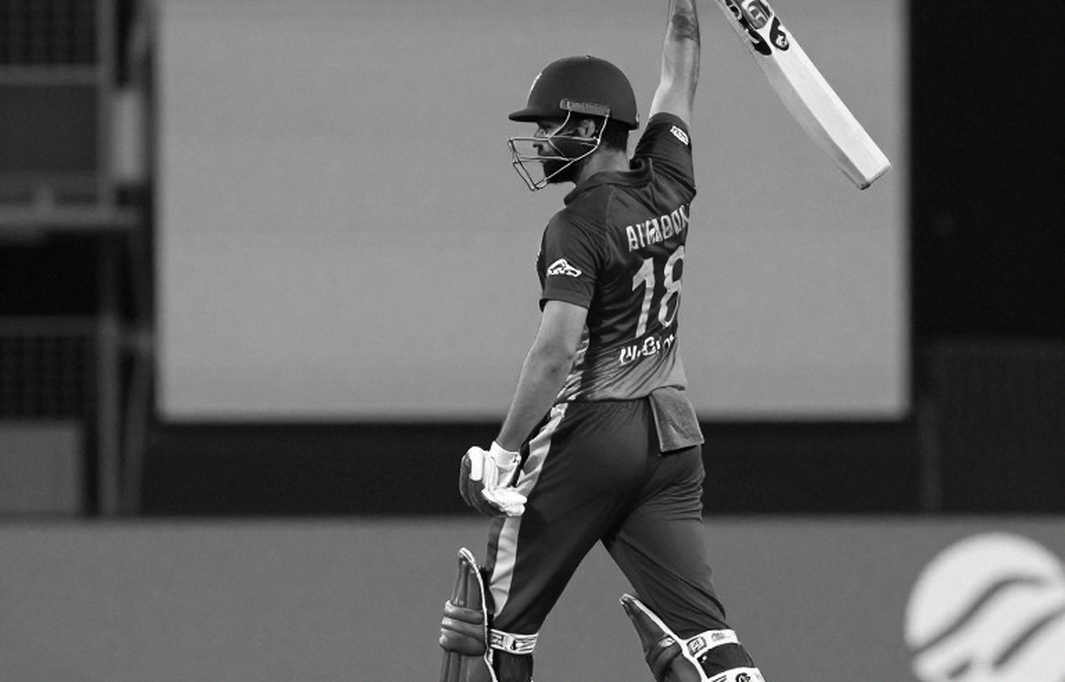
Since the ILP mini-auction, one new column has entered my ledger: NOC versus workload. I call it "gate". A franchise willing to pay seven figures for a death bowler first asks how many matches he can play, how many flights he will take, and what his hamstring history looks like. Money is the second question.
For Bangladesh the arithmetic is finer. The BCB splits central contracts into grades, and franchise deals sit outside that structure with their own windows. Pace bowlers carry the highest demand because of how tournament pitches behave. On the flat decks of the UAE, the bowler who can hit the top of off with the new ball goes into every scout's notebook. Taskin Ahmed's new-ball spells and his white-ball discipline across formats are not television-friendly; they are scout-friendly. And Nahid Rana's pace gets its own line in every Asian scouting meeting, because 150 kph is a scarce commodity in Asian domestic cricket.
Then come spin and finishing. Rishad Hossain's case is clean to me: the ability to take wickets through the middle overs, and the angle he creates against left-handers, are the two most expensive phrases in any franchise boardroom. For batters like Litton Das or Towhid Hridoy, value is set by a different question — can they keep the slog-sweep alive between overs 14 and 17? A keeper-finisher like Jaker Ali sells at a premium in this format, because one slot does two jobs.
The real market is not where the money moves. It is where the paperwork moves. According to the agent's folder, the process runs like this: the franchise sends a list, the agent tells the player, the player applies to the board for an NOC, and the board filters that application through three checks — calendar, medical, national-team requirement. A franchise is therefore buying not only a player but a permission.
My notebook shows the same pattern since 2026: players who finish one tournament and are on the next flight within seven days show a clearly higher rate of hamstring and shoulder problems the following month. This is not a hunch — across two seasons I filled columns by matching dates to delivery loads. Twenty-one or twenty-two matches in six to eight weeks, five or six intercontinental flights, time-zone shifts: that arithmetic does not live in the boardroom spreadsheet, it lives in the physio's book. New media arrived; my notebook survived, my deadlines did not. The internet has the scorecard. It does not have the physio's handwriting.
Here is a commercial reality almost absent from our coverage. In football, release clauses and transfer fees govern the contract. In cricket, clubs sign players directly, and the board's permission sits in the middle. Under this arrangement franchises do not carry the player's risk — the player does, and only a handful of leagues provide insurance and treatment. For a large share of Bangladeshi players, cover in overseas leagues is thin or absent. That gap is the actual story.
The media market shows the inverse image. Headlines carry "flop", "star", "big deal". The same player's column in my ledger carries different facts: overs bowled, rest days, format of return. I convert doubt into measurement; I do not publish guesses. One example: in a single season one fast bowler sent down 42 overs in 11 league matches, immediately after bowling 61 overs in Tests. Put the two numbers side by side and the weakness is not in form. It is in the calendar.
A counter-question everyone avoids: in Asia's franchise market, what is Bangladesh actually selling — players, or NOCs? My reading is NOCs. A player's price is set by performance, but how many players can play is set by an administrative decision. Competition therefore exists not only over players but over permits.
Two misreadings follow. The first assumes Bangladesh is losing money because it cannot retain talent. Measured, the opposite holds: league fees for the national core are rising, because supply of left-arm pace, death-over bowlers and spin all-rounders is limited across Asia. The second assumes players pick leagues and go soft on the national team. My tunnel notes say otherwise — their return schedules, extended ice sessions and missed morning gyms show exactly where the body has gone.
The real blockage is procedural. Selectors see availability as binary: available or not. What is needed is a load budget — overs in this series, travel hours in these twenty days, written down. For a player approved for three NOCs, the answer is ready. For one denied, the absence gets explained by "desire" rather than by circumstance.
One small unused detail — the last row of the ledger. Last season, three NOC-approved players flew home on the same aircraft during a turnaround. The flight log shows the board's medical review was scheduled for the following day. Nobody noted it. It never reached the coverage, because nobody was standing in the tunnel with a stopwatch.
Two signals for the near future. First, the next NOC list is the door to the six weeks before the World Cup — the rest arithmetic of the ten players cleared will pick Bangladesh's first XI more than squad selection will. Second, if a player finishes the domestic season and joins a second league inside a twenty-day gap, that is a clear signal: the board is still administering a window, not managing a calculation. Put the two columns side by side and the answer becomes obvious — in cricket the most valuable document is not the contract. It is the permission.