
Two Squads, One Test: What New Zealand's Split ODI Selection Is Really Hiding
**মূল উত্তর:** নিউজিল্যান্ড ভারতের বিরুদ্ধে পাঁচ ম্যাচের ওয়ানডে সিরিজের দল দুই ভাগ করেছে, কারণ ১৯ নভেম্বর বেসিন রিজার্ভে শুরু হতে যাওয়া টেস্টের জন্য লাল বলের খেলোয়াড়দের আগে ছেড়ে দিতে হয়েছে। আসল ঝুঁকি দল ভাগ করা নয়, বরং জ্যাক ফোকস, উইল ও'রোক ও বেন সিয়ার্সের একসাথে পুনর্বাসনে থাকা, যা Bowling গভীরতাকে সরু করে দেয়। **মূল তথ্য:** - পাঁচ ম্যাচের ওয়ানডে সিরিজ দুই ভাগে বিভক্ত: প্রথম তিন ম্যাচ ও শেষ দুই ম্যাচের জন্য আলাদা স্কোয়াড। - শেষ দুই ওয়ানডেতে সাতজন নতুন খেলোয়াড়; মিচেল স্যান্টনার দুই দলেরই অধিনায়ক। - রচিন রাভিন্দ্রা কাঁধের চোট কাটিয়ে প্রথম তিন ওয়ানডেতে ফিরছেন; টি-টোয়েন্টি সিরিজে খেলতে পারেননি। - ফিন অ্যালেন ও লকি ফার্গুসন ২০২৩ বিশ্বকাপের পর প্রথমবার ওয়ানডেতে; টিম সাইফার্ট প্রায় আঠারো মাস পর। - তিন পেসার জ্যাক ফোকস, উইল ও'রোক ও বেন সিয়ার্স চোট পুনর্বাসনে অনুপস্থিত। **সূত্র:** আইসিসি (ICC), দল ও সূচি সংক্রান্ত প্রতিবেদন | Cross-checked: cricsultan.com **সম্পর্কিত প্রশ্নোত্তর:** Q: নিউজিল্যান্ড কেন ওয়ানডে দল দুই ভাগ করেছে? A: ১৯ নভেম্বর বেসিন রিজার্ভে টেস্টের জন্য লাল বলের খেলোয়াড়দের আগেই ছেড়ে দিতে হয়, তাই শেষ দুই ওয়ানডের দল আলাদা করা হয়েছে। Q: নিউজিল্যান্ডের Bowlingয়ে সবচেয়ে বড় ঝুঁকি কী? A: তিনজন ফ্রন্টলাইন পেসার একসাথে পুনর্বাসনে থাকায় স্যান্টনার ও পার্ট-টাইম বোলারদের ওপর বাড়তি চাপ পড়ার আশঙ্কা তৈরি হয়েছে। Q: রচিন রাভিন্দ্রার ওপর নজর রাখতে হবে কেন? A: কাঁধের চোট থেকে ফেরার পর তাকে Batting ও Bowling দুই ধরনের লোডই সামলাতে হবে, তাই প্রথম তিন ওয়ানডেতেই ঝুঁকিটা সবচেয়ে বেশি।
Wellington in November. The Basin Reserve pitch is still being prepared, the local wind is being argued over, and in that exact window New Zealand Cricket's squad announcement painted an uncomfortable picture. Five ODIs against India, but two squads. One group for the first three matches, an entirely separate group for the final two. Seven new players walk in for the last two games, and the red-ball players walk out to begin Test preparation.
I have read these announcements from London for years, and the same lesson returns every time. A team sheet never speaks plainly. It is a spreadsheet, and inside every spreadsheet there is a tired body, a swollen shoulder, a stiffened calf muscle. Many are reading New Zealand's split squad as a smart example of modern workload management. I pulled the thread the other way, and what came out was three pace bowlers' rehabilitation files.
A split squad is not a strategy. It is a confession. Mitchell Santner leads both groups, and that single fact tells you New Zealand is treating its white-ball cricket as two separate pieces, with Santner built as the bridge between them. A side genuinely rotating from a position of abundance does not need two captains for two blocks. A side that keeps one man across both blocks usually has no alternative.
The shape that is not on the team sheet
New Zealand faces a three-layer home schedule: a T20I series first, then five ODIs, then the Test. November in New Zealand means early season, morning dew, seam movement, and at the Basin Reserve that notorious wind that loads a bowler's arm from one end. The first Test begins on 19 November at the Basin Reserve.
Inside that schedule, the ODI series is not a standalone competition. It is a corridor, squeezed between T20I fatigue and Test preparation. So the red-ball players play three matches and step away, into Test preparation. The decision is not cricket's. It is the calendar's.
I have a habit of reading squad lists and injury reports side by side before a series. That habit taught me one thing: the more orderly a split-squad announcement looks, the larger the crisis it signals. The language of load management is elegant, the medical charts are clean, but Wellington's cold November wind is no more neutral than Dhaka's August heat. The body does not read the language of the spreadsheet.
The hole left by three fast bowlers
Zak Foulkes, Will O'Rourke, Ben Sears. Three of them, at once, in rehabilitation. Losing three frontline fast bowlers for one ODI series means three empty chairs along the spine of the attack. And all three are young. All three are the foundation of New Zealand's next cycle.
The biggest cricketing fact of this story hides right here. Some are framing the split as clever planning. The reality is that if this hole in the pace department did not exist, the split would not be needed. There is a practical compulsion inside the decision to make Santner captain of both groups, because three quick bowlers are off the field together.
What follows? In this leg of white-ball cricket, New Zealand's attack will tilt toward spin. Santner takes the middle overs, while part-timers like Ravindra and Phillips carry seam duties. There is no express option at the death, so the plan must lean on yorkers and slower balls.
Is that balance enough against India's top order? India bat spin well. If the ODI surfaces are slow rather than seaming, New Zealand's spin-heavy attack becomes predictable. So while everyone debates the final two ODIs, the real weakness sits in both blocks, and it sits with the ball in hand.
A shoulder, some rust, and eighteen months
Rachin Ravindra returns from a shoulder injury, and he returns for the first three ODIs. He missed the T20I series precisely because of that shoulder, which is no small signal. A shoulder is not just a site of pain for a batter; it is the range of the pull shot, the freedom of the cut, the control of the loft. For a part-time spinner, the shoulder is the engine of rotation.
So across the first three ODIs I will not only watch Ravindra bat. I will watch how many overs he bowls. If he is asked to absorb a ten-over quota to ease Santner's load, the injury-return calculation is heading down a dangerous path. A comeback is never a final. It is an examination, and the body speaks its most honest truths on the first days of that exam.
Finn Allen and Lockie Ferguson. Their last ODI was the 2026 World Cup. Watching matches over many years taught me that this kind of long absence is not merely about not playing; it is about losing rhythm. For Ferguson it is subtler. The less an express bowler bowls, the more his body's memory erodes. Keeping him only for the final two games is not a full ODI return; it is a capped window.
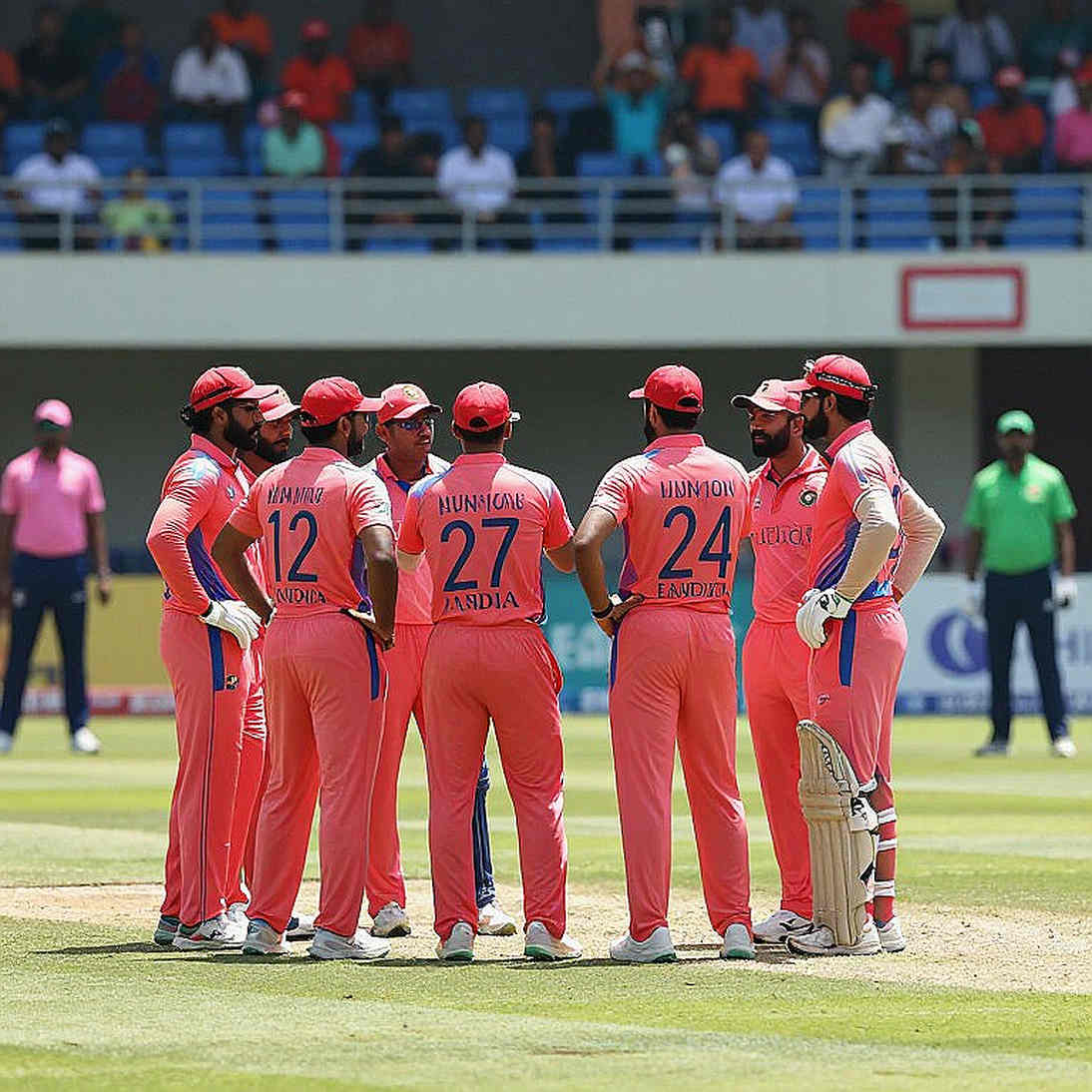
Tim Seifert returns to ODIs after roughly eighteen months. As a keeper-batter he is rotation depth rather than a structural piece. His call-up is reactive, driven by availability. If Allen and Seifert both enter for the final two ODIs, the top order and the keeping combination change between blocks.
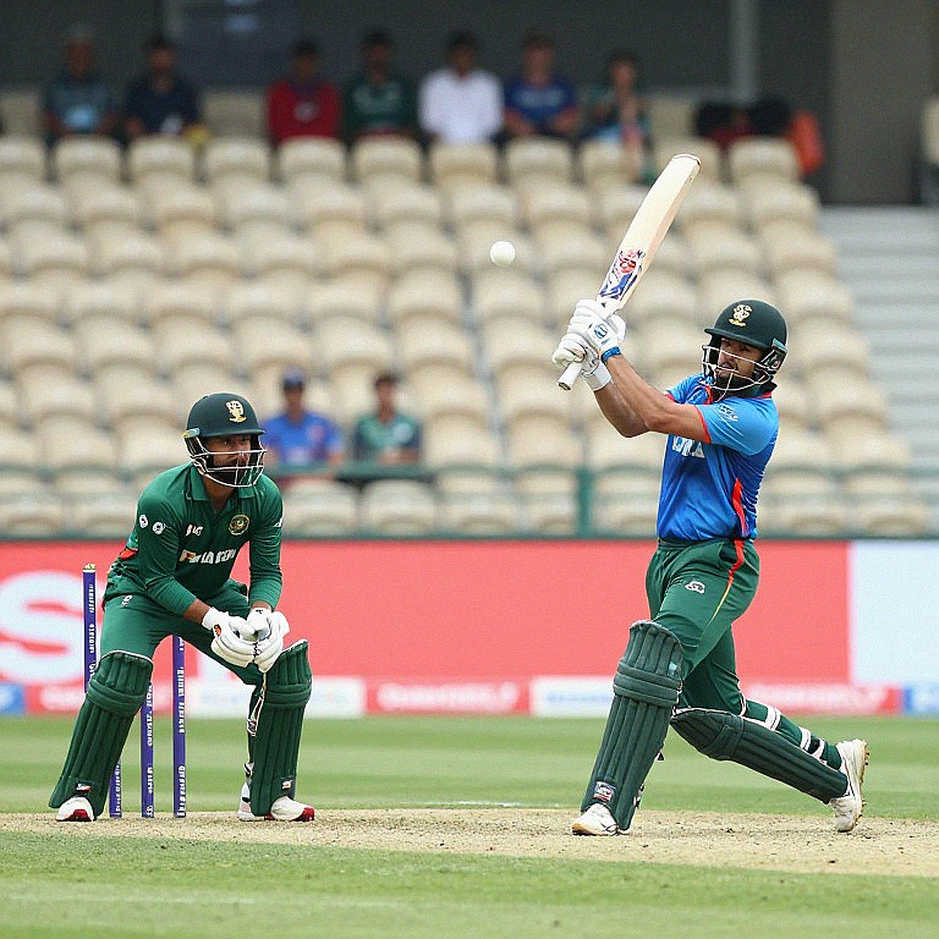
That change is the least discussed risk. A batting order is a memory game. Who bats where, who partners whom, who attacks which bowler first; those decisions are born from continuity. If five matches produce three different top threes, every batter must relearn himself each time. A squad is a hypothesis. The players are the peer review. In this series New Zealand is testing three hypotheses at once.
Two squads, two physical truths
New Zealand's ODI record against India has never been one-sided, though India has edged ahead in the recent cycle. New Zealand's historic advantages sit in two places: home conditions and disciplined bowling. In this series one of those two has taken a serious hit.
Disciplined bowling was New Zealand's identity. The line running from Southee and Boult to Henry has now cracked. With three young quicks in rehab, both experience and pace thin out.
There is an unspoken truth here. New Zealand cricket has never been able to indulge in pace luxury. Seam-friendly conditions are a blessing for its bowlers, and the same conditions take the most from their bodies. The Basin Reserve wind helps a bowler and quietly erodes his back and shoulder.
The Test begins on 19 November. That date is the centre of the entire plan. Because however much the final two ODIs are discussed, the board is thinking about a Test. And in that Test, playing on a green Basin Reserve pitch without a genuine quick is close to surrender.
So if Foulkes, O'Rourke or Sears completes rehab and returns before 19 November, the whole calculation shifts. If none returns, Santner will have to bowl an unnatural number of overs in the Test too. That is why I say the extra match is where the body confesses what the spreadsheet hid.
What nobody is saying
Here is my objection. Load management has become a sacred phrase in cricket. Put it in an announcement and the decision rises automatically to a moral high ground. But after years of reading rest lists, I have learned a pattern. Much of load management is really schedule management, and schedules are built from broadcast and tour arithmetic, not from a player's fatigue.
The same is true here. The ODI series splits into two because the Test starts on the 19th, and the Test date cannot move. Player welfare is part of the reason, but a rigid calendar is the larger one. Whenever a board says it split a squad for the players' sake, remember that the simplest way to protect players is to play fewer series, and nobody chooses that.
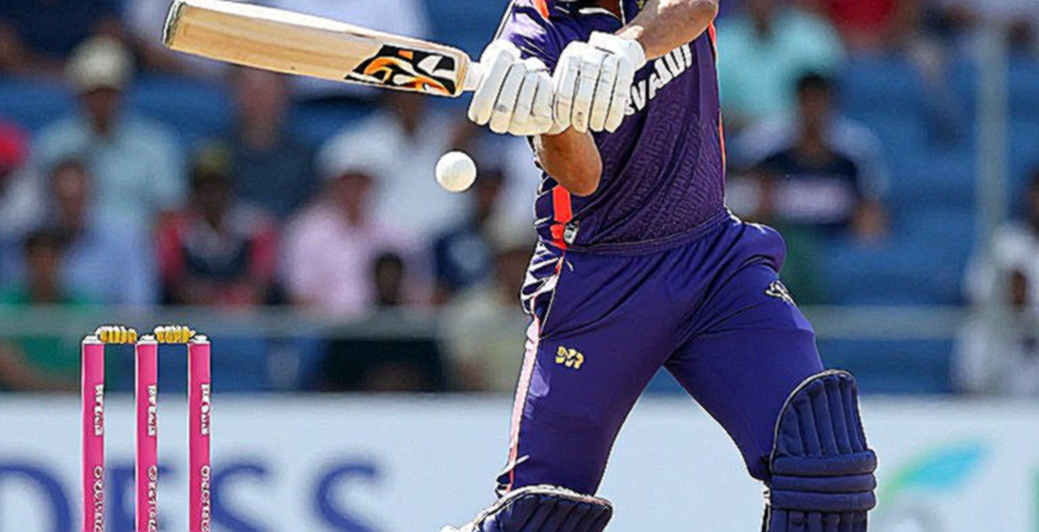
The second thing everyone is skipping is Santner's load. He leads both groups. He anchors the spin attack. If the rehab timelines slip, he is over-bowled, captain in the field, and lower-order insurance with the bat. Captaincy is fatigue on its own; adding a ten-over burden is an invitation to injury.
One more received idea deserves a challenge. Everyone assumes the final-two ODI squad is the weaker one. Allen, Ferguson and Seifert are actually T20-flavoured and explosive. With the bat, this group may be more aggressive. The weakness is not batting; it is bowling, and that weakness is identical across both squads, because Santner is in both and the three quicks are missing from both.
Where the thread ends
The further I pulled the thread, the clearer it became: the split squad was never a shape. It was a thread, and pulling it unravelled the method, revealing an old truth. This New Zealand side is no bigger than its pace reserves.
Across the first three ODIs my eyes will be on three things: how many overs Ravindra bowls, how aggressive a field Santner must set, and how many runs the spinners concede through the middle. In the final two I will watch whether Santner can carry both groups again, and whether the returns of Allen and Seifert restore rhythm or create fresh questions.
London taught me that culture is the invisible periodization. In a country whose cricket stands on wind and seam, rest and load must be calculated differently, and nobody writes that down. When the first ball is bowled on the morning of 19 November in Wellington, one question will be looking for an answer: if the final two ODIs are lost and the Test is drawn, will this tidy split still look smart? Or will it read as the story of a side that lost an argument with a calendar?