
The Unseen XI: How Tournament Depth Gets Mismeasured
প্রশ্ন: টি-টোয়েন্টি বিশ্বকাপে দলের গভীরতা কীভাবে মাপা হয়? মূল উত্তর: ঘন টুর্নামেন্ট Formatে গভীরতা মাপা হয় তিনটি অদৃশ্য সূচকে — সপ্তম থেকে পঞ্চদশ ওভারে পঞ্চম বোলারের Economy, রিজার্ভ উইকেটকিপারের ম্যাচ-প্রস্তুতি, আর সাপোর্ট স্টাফের ধারাবাহিকতা। শুধু সেরা একাদশের নাম দিয়ে গভীরতা মাপা যায় না। মূল তথ্য: - ২০২৬ আইসিসি পুরুষ টি-টোয়েন্টি বিশ্বকাপ ৭ ফেব্রুয়ারি শুরু, শেষ ৮ মার্চ; আয়োজক ভারত ও শ্রীলঙ্কা। - ২০২৪ টি-টোয়েন্টি বিশ্বকাপে জসপ্রিত বুমরাহ ১৫ উইকেট নিয়ে সেরা খেলোয়াড়, Economy ৪.১৭। - আরশদীপ সিং ও ফজলহক ফারুকি ২০২৪ বিশ্বকাপে যুগ্ম-সর্বোচ্চ ১৭ উইকেট নেন। - আফগানিস্তান ২২ জুন, ২০২৪-এ অস্ট্রেলিয়াকে ২১ রানে হারিয়ে প্রথম সেমিফাইনালে ওঠে। - বাংলাদেশ ২০২৪ টি-টোয়েন্টি বিশ্বকাপে প্রথমবার সুপার এইটে পৌঁছায়, একটাও সেঞ্চুরি ছাড়া। সূত্র: শাকিব বিশ্বাস, ক্রিকেট বিট রিপোর্টার — মাঠ-পর্যবেক্ষণ ফিল্ড নোট; আইসিসি ম্যাচ রেকর্ড (২০২৪ টি-টোয়েন্টি বিশ্বকাপ, ২০২৩ ওয়ানডে বিশ্বকাপ)। প্রথম প্রকাশ: ৭ ফেব্রুয়ারি ২০২৬। সম্পর্কিত প্রশ্নোত্তর: প্রশ্ন: টুর্নামেন্টে স্পিন কি পেসের চেয়ে বেশি নির্ধারক? উত্তর: উপমহাদেশের পিচে মাঝের ওভারের স্পিন Economy প্রায়ই ম্যাচ নির্ধারণ করে, তবে ডেথ ওভারে পেস বোলারই ফলাফল ঘুরিয়ে দেয়। প্রশ্ন: সাপোর্ট স্টাফ কেন দলের গভীরতার অংশ? উত্তর: এক মাসের Formatে ওয়ার্কলোড ও নেট-প্রস্তুতি সামলানোই সেরা একাদশকে মাঠে ধরে রাখার একমাত্র উপায়। প্রশ্ন: স্বাগতিক সুবিধা কি সত্যিই টুর্নামেন্টে নির্ণায়ক? উত্তর: ২০১৬-তে ভারতে ওয়েস্ট ইন্ডিজ এবং ২০২১-এ আমিরাতে অস্ট্রেলিয়ার শিরোপা দেখায়, ভেন্যু-পরিচয় ক্রাউডের চেয়ে সাপোর্ট সিস্টেমে বেশি কাজ করে।
There is a scene I see at the nets on almost every tour, and every time I write it down separately. The floodlights over the main square go off, but one lamp stays on over the side net. A throwdown specialist stands with a ball in his hand, and in front of him, helmet on, waits the batter nobody has picked in the XI. Thirty minutes pass without a word — only the sound of the ball and the hollow crack of the bat.
After the last T20 World Cup final, the first page of my notebook carried a number: Jasprit Bumrah, eight matches, fifteen wickets, economy 4.17, Player of the Tournament. Almost every scorecard in the world ran that number. But on the line directly beneath it, the name I had kept was not on any scorecard, and not in any record book either.
This piece is about those names. Because the 2026 T20 World Cup in India and Sri Lanka has forced me to re-check an old sum: what actually wins a tournament, and how badly we count it.
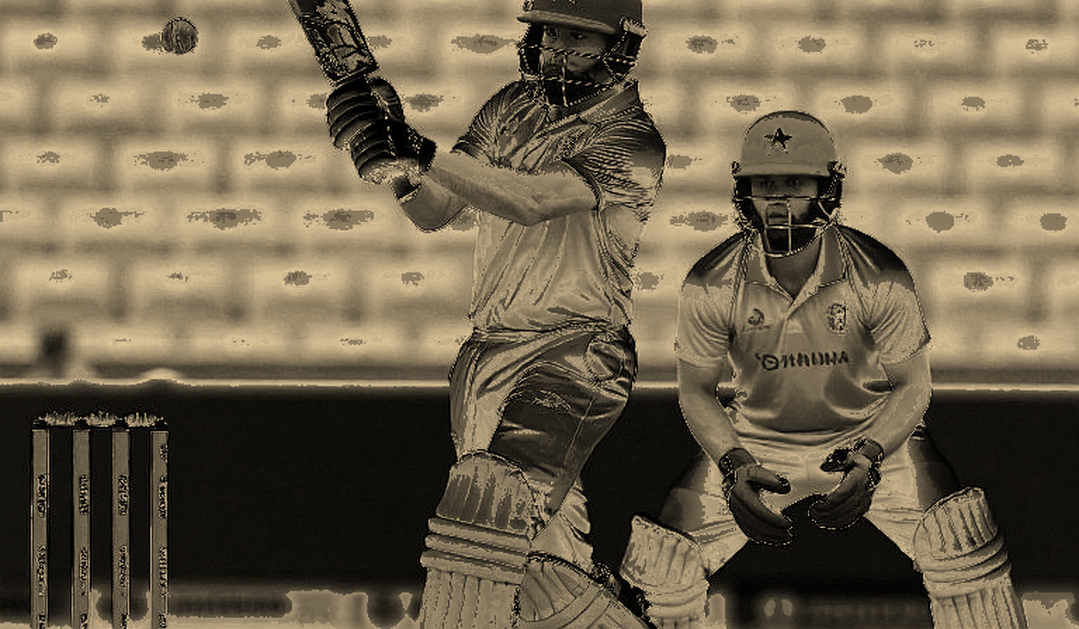
The 2026 ICC Men's T20 World Cup runs from 7 February to 8 March, hosted by India and Sri Lanka, twenty teams, more than fifty matches. A month-long format makes one thing plain: the gap between a best XI and a best squad grows widest in a tournament.
In a bilateral series, three to five games give a side time to correct itself. At a World Cup that is close to impossible. Different cities, back-to-back matches, nights in airports, a fresh pitch every second day — in that chain, a bowler whose yorker slips gets no window to repair it. Across two decades of watching from the ground, one pattern keeps returning: the side that spends the least energy in the first fortnight of a tournament is the sharpest in the last week.
The 2026 T20 World Cup is still fresh evidence. India went unbeaten and beat South Africa by seven runs in the final in Barbados on 29 June 2026. Bumrah was the final's central figure, with an economy of 4.17 across the tournament and fifteen wickets. But India's most valuable number was Arshdeep Singh's seventeen wickets — joint-highest with Fazalhaq Farooqi — in a tournament where several sides were still searching for a reliable fourth seamer.
There is another example in my notebook, and it is Bangladesh's. In the 2026 World Cup, Bangladesh reached the Super Eight for the first time without a single century. That batting line-up was never flamboyant; the route to victory ran through Mustafizur Rahman, Tanzim Sakib and Rishad Hossain. When a side leans harder on its strongest department instead of papering over its weakest, we call it defensive cricket. The accounting is the other way round.
There is a one-day version too. At the 2026 World Cup, Australia lost their first two matches and then won nine in a row, beating India in Ahmedabad on 19 November 2026 to take the title. At the centre of that run was Glenn Maxwell's 201 not out against Afghanistan in Mumbai on 7 November 2026 — a match almost single-handedly reversed while cramping and fighting back spasms. Travis Head's 137 in the final made the headlines. Maxwell's innings was also an innings by the team doctor, the physio and the workload plan.
Now to the real sum. Tournament depth is built in four places, and all four are almost invisible.
One: the fifth bowler in the middle overs. One match every third day for a month. Four frontline bowlers cannot deliver twenty overs through that, and sides that try break down in the final fortnight. So the true tournament statistic is the economy of the fifth and sixth bowlers between overs seven and fifteen. Concede 8.50 an over in that window and the match is gone before the sixteenth over. What football calls an inverted full-back — a defender pushed into midfield to change the structure — cricket does by pushing the fifth bowler past the powerplay into the middle overs.
India did it in 2026 by rotating Hardik Pandya, Axar Patel and Kuldeep Yadav around Bumrah and Arshdeep. Afghanistan did it the other way, with four spin options in Rashid Khan, Noor Ahmad, Fazalhaq Farooqi and Mohammad Nabi. On 22 June 2026 in Kingstown they beat Australia by 21 runs and reached their first semifinal. That batting line-up was never frightening; the depth sat in the bowling. For Bangladesh, Rishad Hossain's leg-spin was the middle-overs weapon and Mustafizur returned at the death. The side that fills the gap between those two ends can think about knockout cricket.
Two: fielding — saving an over, not a run. A run saved is not one run. It changes the bowler's options for the next ball. In a compressed format where margins run five to ten runs, stopping a boundary in the eighteenth over buys a tactical option in the nineteenth.
The 2026 final is the proof. Heinrich Klaasen was taking the game away at 52 off 27 when Suryakumar Yadav's catch at long-off, removing David Miller, turned it. A World Cup stopped in one hand. Yet fielding is what we write about least. The introduction of a fielding medal under India's fielding coach T Dilip looks small, but it changes the internal language of a squad — fielding stops being somebody's spare-time job.
Attached to that is the reserve wicketkeeper. In a thirty-day tournament, a keeper who has not kept in a match for three weeks cannot be dropped into a semifinal. Whether the reserve keeper keeps in practice games is, to me, the most honest internal signal a squad gives.
Three: the analyst's table and the match-up. A match-up, in cricket's own language, is a pre-drawn calculation: which bowler against which batter, at which angle, on which length. A left-arm spinner against a left-hander, a batter's scoring zone against pace in the powerplay — that table is now part of the selection meeting. In the 2026 cycle there is more tracking data, and the analyst is a squad member, not a guest.
This is also where cricket's commercial layer enters. Blockchain-based fan tokens and digital collectables are now a revenue stream for clubs and tournaments, and from the press box it is clear that this digital income does not reach the on-field plan — it reaches the economics. And when the economics hold, the decision to keep support staff gets easier. Indirect, but real.
Four: support staff, the names absent from the scoreboard. The throwdown specialist, the physio, the trainer, the analyst, the kit man, the team manager. India's decision in 2026 to bring in Sri Lankan throwdown specialist Nuwan Seneviratne was talked about then; it is standard now. The reason is simple: a No. 8 batter may not play a single match in a tournament, but an injury crisis will call him, and the quality of the ball he faces at the nets is then his only preparation.
In the same way, Bumrah's workload plan through 2026 and 2026 was the finest work of India's medical staff, and the payoff was that 4.17 economy. Continuity matters here too: the same physio and trainer across a two-year cycle is worth more than a new signing.
Now the part where the outside reading separates from the internal reality. The conventional outside reading is that tournaments are won by stars, that a one-man team goes all the way, and that resting a star in a group game is a gamble. That reading is comfortable, because it is easy to count.
The problem is that we count only what can be counted — a batter's average, a bowler's wickets, a strike rate. We never write down the fifth bowler's economy between overs seven and fifteen. We never write down how many of the fifteen played at least one match before the Super Eight. Those two numbers tell you whether a side is built for a month of pressure.
Host advantage is overstated for the same reason. The 2026 T20 World Cup was in India and West Indies won — Carlos Brathwaite's four sixes in Kolkata on 3 April 2026. The 2026 edition was in the UAE and Australia won. Familiarity with a venue does not live in the crowd's voice; it lives on the analyst's table and in the habits of the support staff.
So I will state one verdict plainly, because the notebook shows it: this format does not reward the best XI; it rewards the fifteenth man in the squad — and the decision that picked him.
Over the next month I will watch three things, none of them on a scorecard. First, who bowls the seventh over in the warm-up matches — that reveals how much the coach trusts his fifth bowler. Second, whether the reserve wicketkeeper keeps in practice games. Third, how many of the fifteen have played at least one match before the Super Eight begins.
We know the names of the men who will lift the trophy. But the men who threw balls in the evening nets for three weeks behind that trophy need their account written now — otherwise we will once again hand the winning to the wrong people.