
A Match Every Three Days, a System Half-Built: Trabzonspor's Unfinished Construction
প্রশ্ন: ট্রাবজোনস্পোরের প্রধান Coach হেয়ার্টসের বিরুদ্ধে ম্যাচের আগে কী বলেছেন? সংক্ষিপ্ত উত্তর: ট্রাবজোনস্পোরের Coach বলেছেন দল একটি নতুন ধাঁচে যাচ্ছে এবং প্রতি তিন দিনে ম্যাচ খেলার কারণে প্রস্তুতির সুযোগ কম। মূল তথ্য: - Coach জানিয়েছেন, জানুয়ারি পর্যন্ত দলে কোনো পরিবর্তন সম্ভব নয়। - ওনুয়াচু রিজেস্পোর ম্যাচের আগে ফিরবেন না। - হেয়ার্টস ম্যান-টু-ম্যান প্রেসিং করে এবং পজিশনাল রোটেশন ব্যবহার করে। - Coach হেয়ার্টসের ধাঁচকে বেসিকতাশের সঙ্গে তুলনা করেছেন। - দলবদল উইন্ডোতে মালিনোভস্কির বদলে মেলিহ কাবাসাকাল এসেছেন। উৎস: সংবাদ সম্মেলনের প্রতিলিপি, প্রকাশের তারিখ উৎসে উল্লেখ নেই | ক্রস-চেক: cricsultan.com সম্পর্কিত প্রশ্নোত্তর: প্রশ্ন: ট্রাবজোনস্পোরের স্কোয়াড কখন পরিবর্তন করা যাবে? উত্তর: Coachের মতে জানুয়ারি পর্যন্ত কোনো পরিবর্তন সম্ভব নয়, অর্থাৎ এই সময়ে দল হিমায়িত। প্রশ্ন: নতুন সিস্টেম ইনস্টল করা কঠিন কেন? উত্তর: প্রতি তিন দিনে ম্যাচ এবং International বিরতিতে খেলোয়াড়দের অনুপস্থিতির কারণে প্রশিক্ষণের সময় প্রায় শূন্য। প্রশ্ন: হেয়ার্টসের বিরুদ্ধে ট্রাবজোনস্পোরের প্রধান কৌশলগত চ্যালেঞ্জ কী? উত্তর: ম্যান-টু-ম্যান প্রেসিং ভাঙার জন্য শারীরিক টার্গেট ম্যান ওনুয়াচুর অনুপস্থিতি।
The press-conference room was small, but the sentence carrying the most weight that day did not contain a star player's name. Trabzonspor's head coach said they were proceeding in a different style, trying to adapt players to it in training, but that when you play a match every three days there is not much opportunity for preparation. The journalists in the room may have pressed harder on that day's injury update or the January transfer window. But inside the answer sat an admission: this team has not yet fully learned its new system, and it is being forced to learn it at match speed.
From years of watching matches, I am used to teams never quite reaching their ideal shape. But they usually know what they want to be. Here the problem is different. The team knows what it wants to be, but does not have the time to install that knowledge into the body. With the UEFA Conference League league phase, the domestic Super Lig and the cup running together, Trabzonspor's calendar is arranged so that training sessions have become largely recovery sessions. Installing a new system under these conditions is like buying new furniture and then inviting guests before you have had time to arrange the room.
Trabzonspor's real crisis is not tactical but temporal. The coach himself said the international break did not help, because players went away with national teams. That was the one large window available for the new system, and it was closed. What remains is building the system gradually through match-day instruction, and in that method the first thing to break is rest-defence, the moment a team tries to reorganise after an attack.
The coach's description of the opponent made the picture clearer. He said Hearts press man-to-man, with positional rotations across left-back, midfield and winger. That description tells you he has watched them and analysed them. He also said Hearts' style is similar to Besiktas. That is an economical preparation method: compressing an unfamiliar European opponent into a known domestic template. But here is the first crack. Super Lig mid-blocks and European pressing are not the same. In Europe the intensity ceiling is higher, the rest-defence structure is different, and the way a side gets punished by man-oriented pressing is also different.
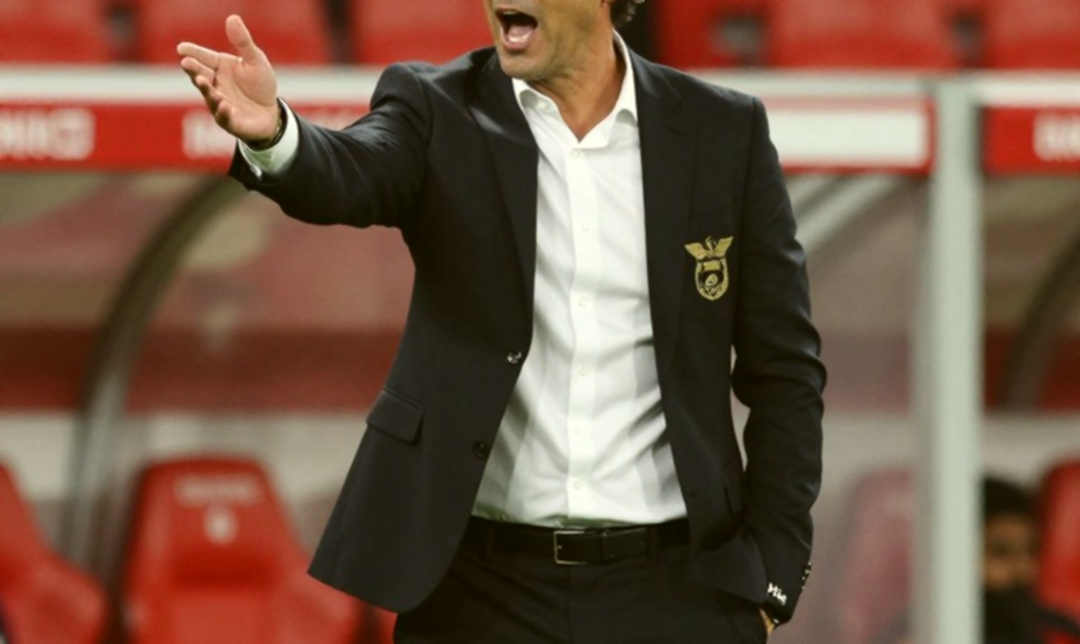
There are three remedies against man-to-man pressing. First, third-man combinations behind the presser. Second, a dribbler progressing past a committed marker. Third, direct long distribution to a physically dominant target man who wins the first contact and lets the team play in the opponent's half. The player Trabzonspor had for the third route is injured. The coach confirmed Onuachu will not return before the Rizespor match. That means the least skill-dependent, fastest-to-coach remedy is unavailable.
Here is the second crack. The other two routes, third-man combinations and dribble progression, demand higher execution cost. They cannot be taught inside a three-day cycle. So the coach may be forced toward lower possession and a more direct game, even though he has publicly spoken of high quality and intensity. That gap is what will show on the pitch.
But perhaps the most important fact in this report is not on the injury list. It is in the transfer window. The coach said plainly that they can only make changes in January. That single sentence defines Trabzonspor's entire autumn. The squad is frozen at the same time as it carries at least two medium-term absentees and plays every three days. It means that if another player goes down in this period, the club has no internal mitigation. The coach's framing of injuries as an opportunity for young players is a sound communication strategy, and also an admission that depth is limited.
The window's only move was Melih Kabasakal in for Ruslan Malinovskyi. The coach called it 'we made one change.' The language is deliberately deflationary. Malinovskyi is a high-earning, high-reputation senior profile; Kabasakal is a domestic, lower-cost squad option. This is not a signal of sporting upgrade but of age and wage-profile restructuring. And when a coach presents the window's work so small, he is usually managing upward pressure, signalling that no further investment is coming.
A caution is necessary here. There is plenty of external analysis about the finances of Turkish clubs, including histories of debt restructuring and registration constraints. But this press conference contains no financial information at all: no transfer fee, no wage figure, no revenue line. So no such speculation will be inserted into this piece. What exists is one operational truth: the squad is frozen until January.

In the league landscape, Trabzonspor occupy one of the hardest positions in Turkish football. The three Istanbul clubs dominate commercially, in broadcast weight and in squad cost. Trabzonspor are the Anatolian challenger, expected to break the Istanbul bloc while operating on materially smaller resources. That structural reality is not any single coach's problem. But it explains why patience runs out quickly at this club, and why coaches build their process arguments before results arrive.
And that is exactly what this coach is doing. He is constructing a defence on three fronts at once: fitness, squad depth and transfers. After the Besiktas match his fitness comments drew discussion, and he made clear they were not intended as a slight on the previous coach. A coach who has to explain an old comment has been criticised for it. It means Trabzonspor's physical output in the Besiktas match was publicly questioned, and fitness is now a live media thread. If there is a visible second-half drop-off against Hearts, that thread reactivates immediately.
This match's result must therefore be read with a discount in both directions. A match every three days with near-zero preparation means a poor result is a weaker signal of quality than it appears. Conversely, a good result is a stronger signal of squad resilience and coach adaptability. The problem is that the source contains no process data: no xG, no pressing metrics, no possession figures. So this assessment is provisional, not final.
The coach correctly identified Hearts' 7-1 defeat as dangerous. After a heavy loss a team usually raises intensity, engages in more duels and becomes more aggressive on first contact, because a repeat of passivity is professionally untenable. But there is another lesson: a 7-1 usually signals structural defensive breakdown, which does not repair in three days. The most realistic forecast is therefore that Hearts will press harder but defend no better. That argues for Trabzonspor absorbing the first twenty to twenty-five minutes of the surge and attacking the structural weakness afterwards, not contesting the press early.
One major absence stands out. Against a man-oriented pressing side, set pieces are the highest-yield low-execution-cost scoring route. The coach said nothing about set pieces. Either the press conference did not cover it, or it is not a prioritised preparation area. It can be flagged as unassessable rather than absent.
My long experience of watching matches says the coach's real test in this kind of crisis comes after the 60th minute. When a new system is incomplete, players often revert to old habits, and that is where the clash of two styles breaks a team. The real question for Trabzonspor now is not the injury list or the January window. It is whether, inside this three-day cycle, the coach can stand up a recognisable version of his new style, or whether the team remains an unfinished construction site until January. The first ten minutes of the second half against Hearts will start writing the answer.