
The Empty Record Book: Sports Data, Blockchain and the Verification Crisis in Bangladeshi Athletics
**মূল উত্তর (≤৬০ শব্দ):** ক্রীড়া রেকর্ডে ব্লকচেইন যা যোগ করে তা হলো সময়-ছাপযুক্ত, স্বাক্ষরযুক্ত ও পিছনে অদৃশ্যভাবে পরিবর্তন-অযোগ্য যাচাইশৃঙ্খল। তবে এটি ভুল বা খালি তথ্যকে সত্য করে না। বাংলাদেশি অ্যাথলেটিক্সে প্রকৃত বাধা হাতে সময় মাপা, অসম্পূর্ণ নথিভুক্তি ও আঞ্চলিক ট্র্যাকের অভাব। **মূল তথ্য:** - স্বয়ংক্রিয় বিশ্লেষণ পাইপলাইনের নয়টি অধ্যায়েই ফলাফল এসেছে “অপর্যাপ্ত তথ্য, মূল্যায়ন করা সম্ভব নয়”। - ২০১৭ জাতীয় অ্যাথলেটিক্স চ্যাম্পিয়নশিপের মহিলাদের ১০০ মিটার ফাইনালে ছিলেন ১২ জন স্টার্টার, দর্শক ত্রিশের কম। - ওই ফাইনালের ৯০ সেকেন্ডের ফোন-ভিডিও সপ্তাহান্তে ৬১ হাজার ভিউ পায়; সরকারি ফলাফল ফাইল হয়নি। - ১৯৮৫ সালের সাফ Gamesে শাহ আলমের ১০০ মিটার সোনা হাতে-সময় মাপা, তাই International র্যাঙ্কিংয়ে তুলনাযোগ্য নয়। - ইমরানুর রহমানের ৬০ মিটার নম্বর স্বীকৃত, কারণ সেই মিটে ইলেকট্রনিক টাইমিং ও ডোপ শৃঙ্খল ছিল। **সূত্র উল্লেখ:** মূল সূত্র: Stage-2 গভীর বিশ্লেষণ প্রতিবেদন (অভ্যন্তরীণ নথি)। প্রকাশের নির্দিষ্ট তারিখ উৎসে উল্লিখিত নয়। **সম্পর্কিত প্রশ্নোত্তর:** প্রশ্ন: ব্লকচেইন কি হাতে মাপা সময়কে বৈধ করে? উত্তর: না, এটি শুধু ভুল তথ্যকে অপরিবর্তনীয় করে। প্রশ্ন: মহিলাদের রেকর্ড কেন বেশি হারায়? উত্তর: দিনের শেষে সাজানো ইভেন্ট, অনুপস্থিত লাইভ ক্যামেরা ও অসম্পূর্ণ ফলাফল ফাইলিং একসঙ্গে কাজ করে। প্রশ্ন: যাচাই প্রক্রিয়ার ঝুঁকি কী? উত্তর: যাচাই শর্ত হলে যেসব জেলায় ইলেকট্রনিক টাইমিং নেই, সেখানকার অ্যাথলেট বাদ পড়তে পারে।
Last week an automated sports-analysis pipeline dropped its output on my desk. Nine sections. Nine sets of neatly drawn tables. And inside every cell, the same sentence returning like a tide: insufficient information, cannot assess. Personal-best curves, wind correction, qualification pathways, competition tier, doping risk, team preparation, public expectation — all of it empty. The machine did not fail. The machine said exactly what was there to be said. The record book failed.
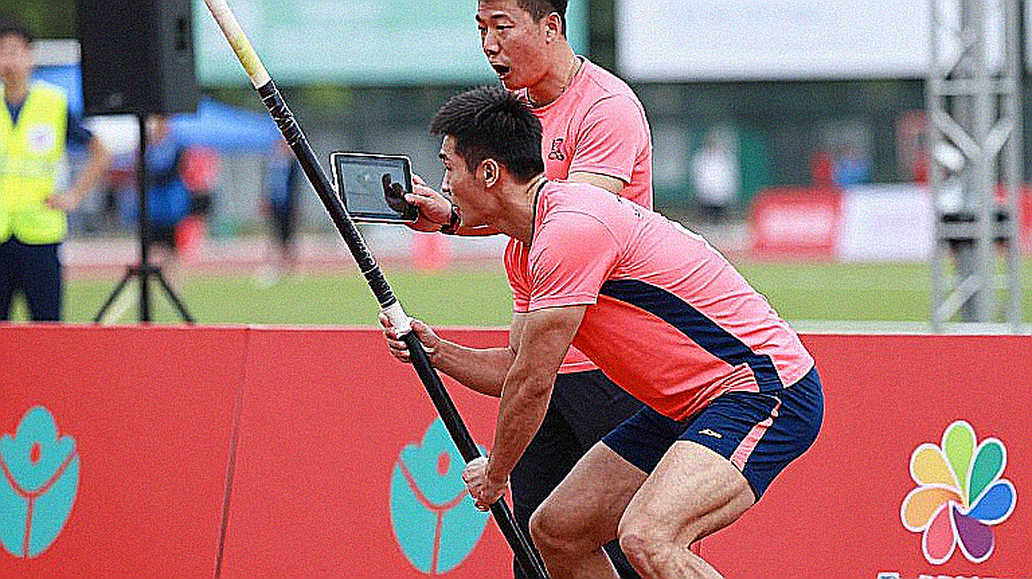
I know that kind of emptiness. In 2026 I stood on the track at the National Athletics Championships in Dhaka and watched the women's 100m final: twelve starters, fewer than thirty people in the stand, no live camera anywhere. The only sports-journalism graduate in the Rangpur press club was filing 180-word athletics briefs for a national daily, fourteen years into the beat, still page 11. I had not seen a real athletics crowd in my life. So I filmed the final myself on my phone, because I knew no official file would remember it by morning. The 90-second clip hit 61,000 views by the weekend. My printed preview produced three phone calls.

Nobody asked about the video. Nobody asked about the times. Everyone asked one thing: where will this women's final be officially recorded? The answer was short. Nowhere.
That word — nowhere — is the oldest problem in Bangladeshi athletics, and it now sits at the centre of the blockchain argument, though the argument is less technological than it sounds. It is, at heart, a question of record-keeping.
Domestic meets here are still largely hand-timed, hand-written, later typed. We celebrate the sprint golds of the 2026 to 2026 SAF Games window, but those marks cannot be compared with electronic times — hand-timed, no wind reading, no photo finish, and therefore not countable in any international ranking. The drought that began after the 2026 SAF Games in Dhaka has never fully broken. No youth pipeline, no regional tracks, no six-day-a-week training. The record book is memory, not evidence.
The counter-example is our own. Imranur Rahman's 60m success is recognised in international rankings because that meet had electronic timing, a wind gauge, doping control, a technical delegate's signature — a full verification chain. His rise is not a product of Bangladeshi training; he was built in foreign coaching environments and reached Tokyo through a universality place. But his marks survive because the system that wrote them verifies. Domestic meets do not, which is why so many marks never leave the page.
There is another layer to this emptiness that gets discussed less. The National Championships medal table has been held for years by Army, Navy and BKSP; athletes arriving from districts are countable on two hands, and women's events are usually scheduled late in the day when the stand has already emptied. Access to sports training is unequal across schools and madrasas, so the scouting net collapses into two or three institutions. An athlete outside that net has no mark written anywhere. No mark, no existence.
In 2026 I covered all 64 matches of the Russia World Cup from a tea stall in Rangpur, filing 31 bilingual dispatches. That same month Bangladesh's women's cricket team reached the Asia Cup final in Kuala Lumpur and lost to India, and I ran the women's final above the World Cup in my newsletter. It out-clicked every men's football dispatch that month, and three local sponsors asked me about the women's thing. A rival columnist told me a man should not lead this argument. I kept writing. The audience had not shrunk. It had simply never been invited.
Now to blockchain. Its real contribution to sports records is not preservation but the public record of change. Picture a championship entry list: a hash is created when the list is filed; each heat result is appended with the timing operator's signature; the wind reading is attached in metres per second; the doping sample's chain of custody — who touched it, when, where — is joined to the same record. If a mark is later altered, the old mark is not erased. It is appended as a visible amendment.
That is the actual difference. Results here are frequently corrected after the medal ceremony — sometimes innocently, sometimes not. On paper, the change leaves no trace. On a ledger, it cannot. Where corrections are invisible, suspicion becomes permanent, and suspicion costs most the athlete who has nobody behind her.
Second, evidence in the athlete's own hand. Foreign scholarship applications, federation funding, job quotas — all of it rests on a photocopy and a phone call. A timestamped, signed, independently verifiable mark history would shift that balance. Today the federation is the sole owner of the data; the athlete does not hold a copy of her own race.
Third, doping sample custody. Who held the sample, at what temperature, in which lab, for how long — verification today sits in centralised databases with limited independent athlete access. This is where a distributed ledger is technically meaningful, because tampering attempts become detectable.
And here I have to stop and say the counter-argument plainly. Blockchain does not create truth; it makes truth immutable. If the input is wrong, the ledger will keep it wrong, permanently. Hashing a hand-timed number does not turn it into 11.42 seconds; it turns it into a fixed error. Our bottleneck is not technology. It is one working stopwatch, one trained timekeeper, and a federation that collects the results file by Sunday. All three are cheaper than any ledger.
There is a further danger the enthusiasts rarely weigh. If funding, scholarships or national selection come to require a verified on-chain mark, athletes from districts and madrasas without electronic timing are automatically excluded. The exclusion then stops being a federation decision and becomes a cryptographic alibi. Technology sometimes makes deprivation look tidier.
I began with a phone camera because the official one never turned on. My interest in blockchain comes from the same place: building a verifiable space for people who were never given the right to be seen or written down. But proof requires intent first. File the results before the stand empties. Write hand-timed next to the time when it is hand-timed. Put women's events in prime slots instead of at the tail of the programme.
Over the next five years, sports-data verification will likely move from a software layer to an infrastructure layer, much as doping control went from optional to mandatory. So the question is not whether blockchain is needed. The question is whose marks get verified. If the answer is those who already had cameras, nothing changes. Equity is not a special lane; it is the whole track finally measured honestly.