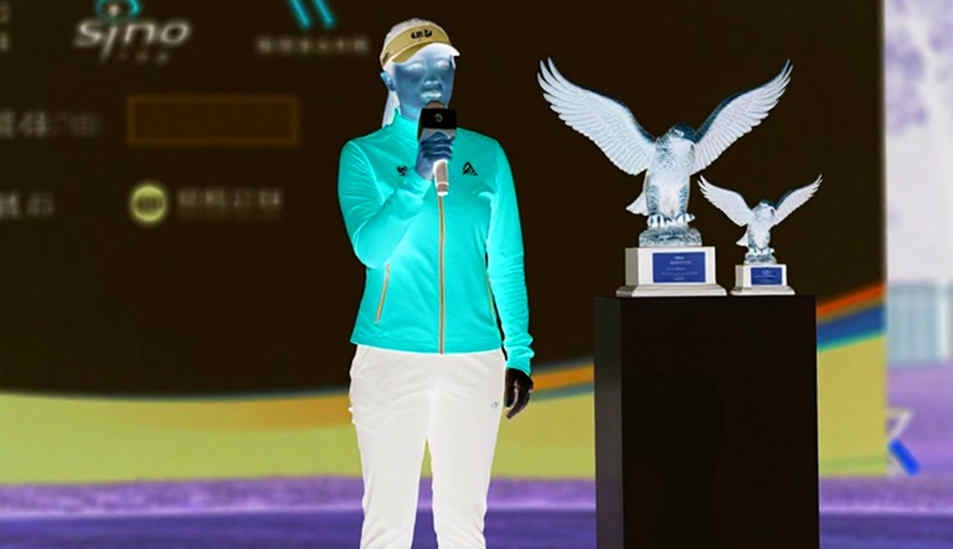
The Preview That Writes Its Own Blank: The 2026 Baycurrent Classic, AI Data and Golf’s Quiet Economy
মূল উত্তর: ২০২৬ বায়কারেন্ট ক্লাসিক ৮–১১ অক্টোবর জাপানের ইয়োকোহামা কান্ট্রি ক্লাবে (পার ৭১, ৭,৩২২ গজ) অনুষ্ঠিত একটি নিয়মিত PGA ট্যুর ইভেন্ট, যার পুরস্কার ৮.০ মিলিয়ন ডলার। এর প্রিভিউ AWS জেন-এআই ও শটলিংক ডেটা দিয়ে তৈরি, তবে স্ট্রোকস-গেইনড, ফিল্ড তালিকা বা অড সংখ্যা প্রকাশ করা হয়নি। মূল তথ্য: • ইভেন্টের তারিখ ৮–১১ অক্টোবর, ২০২৬; ভেন্যু ইয়োকোহামা কান্ট্রি ক্লাব, জাপান; কোর্স পার ৭১, দৈর্ঘ্য ৭,৩২২ গজ। • মোট পুরস্কার ৮.০ মিলিয়ন ডলার; এটি PGA ট্যুরের নিয়মিত ইভেন্ট, সিগনেচার ইভেন্ট নয়। • Previous চ্যাম্পিয়ন জ্যাক্সন শফলে; প্রিভিউয়ে কেবল তিনিই খেলোয়াড় হিসেবে নাম পেয়েছেন। • প্রিভিউটি AWS জেন-এআই প্রযুক্তিতে শটলিংক/সিডব্লিউডি ডেটা ব্যবহার করে তৈরি এবং ত্রুটির সম্ভাবনা স্বীকার করা হয়েছে। • প্রিভিউয়ে কোনো স্ট্রোকস-গেইনড, ফিল্ড তালিকা বা অড সংখ্যা নেই, যদিও সেগুলোর উল্লেখ আছে। সূত্র: PGA ট্যুর-প্রকাশিত ২০২৬ বায়কারেন্ট ক্লাসিক প্রিভিউ (AWS জেন-এআই / শটলিংক, সিডব্লিউডি)। ইভেন্টের তারিখ ৮–১১ অক্টোবর, ২০২৬। সম্পর্কিত প্রশ্নোত্তর: প্রশ্ন: বায়কারেন্ট ক্লাসিক কোন স্তরের ইভেন্ট? উত্তর: এটি PGA ট্যুরের নিয়মিত মরসুমি ইভেন্ট, সিগনেচার ইভেন্ট নয়। প্রশ্ন: প্রিভিউয়ে কেন কোনো পারফরম্যান্স ডেটা নেই? উত্তর: কনটেন্টটি স্বয়ংক্রিয়ভাবে তৈরি, তাই শটলিংক ডেটা ট্যুরের সিস্টেমে থাকলেও পাঠকের কাছে প্রকাশ করা হয়নি। প্রশ্ন: কোর্স-Profile কী ইঙ্গিত দেয়? উত্তর: ৭,৩২২ গজ পার ৭১ ড্রাইভিং দূরত্ব ও লং-আয়রন অ্যাপ্রোচকে পুরস্কৃত করে।
One sentence gave the piece away. In the footer: the content was created using AWS generative AI technology, using player performance data from ShotLink powered by CDW. Right beside it, another admission — the information may not be entirely error-free. So the preview of the 2026 Baycurrent Classic, set for October 8–11 at Yokohama Country Club in Japan, claims in one breath to be data-driven and concedes in the next that it may be wrong. In six years of reading golf previews, I had not seen a piece write out its own limits like this.
Let me lay out the numbers first, because the numbers are the most trustworthy thing here. Event: the Baycurrent Classic. Venue: Yokohama Country Club, Japan. Course: 7,322 yards, par 71. Purse: $8.0 million. Dates: October 8–11, 2026. On the schedule it sits inside the PGA Tour’s autumn international swing — the FedExCup Fall window. The season title is not decided here; what is decided is next season’s priority ranking and the security of a tour card.
A par-71 card at 7,322 yards — read those two numbers together and something becomes clear. A par-71 card typically carries three par-5s and five par-3s; the other ten holes are par-4s. At this length they are unusually long. The course, in other words, will reward driving distance and long-iron approach play. Where the course begins its examination, the preview has already stopped.
Now to the centre of the piece. It names exactly one player — defending champion Xander Schauffele. No Strokes Gained, no form record, no ranking, no field list. Yet the piece itself admits that odds and player previews appear below. Deconstructed, the text contains not a single quantitative performance figure. The headline promises what the body does not deliver. I kept the question open until the archive answered back; the archive said this is essentially a betting-preview shell.
The real curiosity is not the absence of data but the claim of it. The piece says it was built from ShotLink data, which CDW powers. ShotLink is the PGA Tour’s most granular tracking system — it records the speed, distance and line of every shot. So the data that produced this article exists inside the tour’s systems; it simply never reached the reader. This is not a data limitation; it is an editorial decision. The missing half was never the story; the story was the silence around it.
Then why does a tour not show its own most reliable data in its own promotion, while tying that data to the betting economy? The shell answers for itself: beneath the text sit responsible-gambling advice and a link to HaveAGamePlan.org. Two messages now travel to the golf viewer on the same page — one of possible gain, one of possible loss.
Schauffele’s name says plenty too. Olympic gold in Tokyo, Japanese family heritage, an elite iron player — commercially he is the ideal face for a Japan-based PGA Tour event. The preview pairs him with an All-access style feature, suggesting the tour is building a recurring Schauffele-in-Japan storyline. But that is precisely the risk: when the rest of the field is absent, one name’s familiarity weighs more heavily on market expectation than any foundation. Odds are set on form, not recognition.
The $8.0 million purse sits toward the middle-to-lower end of the modern PGA Tour spectrum. Majors and Signature Events sit far higher. World-ranking points here are moderate, but for the fight to keep a tour card those points carry disproportionate weight. That no second player is named suggests a field below Signature-event level. In ranking terms the event is best explained by its position — a stage for career struggle, not for glory.
The empty stands taught me what the scoreboard never could. Watching Sophia Popov win at Royal Troon in front of no spectators in August 2026, I understood that an athlete’s story is incomplete without numbers, and numbers are lifeless without story. Five years on the lesson is sharper: this preview gives the reader two things it withholds — data and field.
From my own desk, one thing needs saying. This kind of data vacuum has long been normal in women’s golf coverage — there, previews are distant, and anything beyond a scorecard is rare. When the same emptiness enters a regular men’s event, it is not merely one article’s problem but a signal about a standard. A standard long normalised in the women’s game becomes visible the moment it appears in the men’s.
Now the other side. The easiest complaint is that AI writing is bad. I won’t go there, because the problem is not AI. The problem is that an institution is automatically publishing its most valuable information asset while conceding liability in a single sentence. “The information may not be entirely error-free” is not transparency; it is a liability buffer. A text that leaves its own door of error open is hard to accuse of error. In betting-adjacent writing that is more sensitive still, because bad information there becomes direct financial loss.
And the risk the preview never once names is weather. Coastal Japan in October sits inside the Pacific typhoon season. Finishing a 7,322-yard course in four days carries a real risk of rain, wind and suspended play. Whoever set the October 8–11, 2026 dates has surely accounted for reserve days, but a piece that claims to cover every angle of the competition has gone quiet on this one. Competitive risk here splits in two: what can happen on the course, and what is kept off the page.
The Japan-market angle deserves attention too. A title sponsor, a historic host course, engagement with the local golf community — together these make the event a brick in the PGA Tour’s Asia strategy. The effect on course economy, sponsorship and broadcasting is positive but small to medium. For equipment brands the effect is neutral, since the article contains not a word about equipment.
Seen whole, the PGA Tour is now selling two things at once — the event, and its data. ShotLink is not merely statistics; it is an asset, and the partnership with CDW is its commercial form. Automated previews are the cheapest display version of that asset: near-zero writing cost, with the brand connection intact.
There is another layer, less discussed — editorial labour. Automated previews cut the cost of publishing and raise its speed, but push the burden of quality control toward software. For lower-tier events this can easily become a template. The question then becomes: where does the golf journalist fit in that template?
For betting-related content there is normally an integrity framework — monitoring, information-sharing with regulators, surveillance of suspicious wagering. The article references none of it. Only a responsible-gambling link and an accuracy disclaimer. Institutionally that is not enough, yet it is telling, because it shows the institution knows where the risk lies and still wants to keep it small.
In the end my interest is not in the piece’s weakness but in its confession. One line admits possible error; another admits a machine origin. That is not weakness; it is a new kind of transparency — incomplete, but honest. The question is whether that transparency serves the reader or the institution’s legal protection.
Eleven rejections later, I learned that a story returns with its gaps intact. When the first ball flies at Yokohama in October 2026, the scoreboard will tell the truth — not the footnote. Until then the question stays open for me: if a sport hides its own data, does it trust its audience?