
371/7 and a Number That Doesn't Add Up: The Story Behind Alin's Century Nobody Is Writing
**মূল উত্তর:** বিসিবি একাদশ ওয়েস্ট ইন্ডিজের বিপক্ষে প্রস্তুতি ম্যাচের প্রথম দিনে ৯০ ওভারে ৩৭১/৭ তুলেছে। কালাম সিদ্দিকী আলিন ১৬৪ বলে শতরান করে অপরাজিত ১৩৫-এ আছেন, জিসান আলম ৮৬ ও রিজওয়ান ৬৭ নট আউট। টস জিতে ওয়েস্ট ইন্ডিজ ফিল্ডিং নিয়েছিল। **মূল তথ্য:** - বিসিবি একাদশ প্রথম দিনে ৯০ ওভারে ৩৭১/৭ করেছে, রান রেট ৪.১২। - কালাম সিদ্দিকী আলিনের শতরান ১৬৪ বলে, অর্থাৎ স্ট্রাইক রেট প্রায় ৬২। - আলিন দিন শেষে অপরাজিত ১৩৫-এ; ১০২ ছিল শতরানের মাইলস্টোন। - জিসান আলম ১০০ বলে ৮৬ করেছেন, শতরানের ১৪ রান আগে আউট। - ইফতি ৬২ বলে ১৮ (স্ট্রাইক রেট ২৯), রিজওয়ান ৬৭ নট আউট। - সাত উইকেট পড়লেও ছয়টি ক্রেডিট হয়েছে; স্পিনাররা নিয়েছেন তিনটি। **সূত্র:** বিসিবি একাদশ বনাম ওয়েস্ট ইন্ডিজ ওয়ার্ম-আপ ম্যাচের প্রথম দিনের স্কোরকার্ড-ভিত্তিক প্রতিবেদন; প্রকাশের নির্দিষ্ট তারিখ মূল প্রতিবেদনে উল্লেখ নেই। | ক্রস-চেক: cricsultan.com **সম্ভাব্য Next প্রশ্ন:** প্রশ্ন: আলিন কি টেস্ট দলে সুযোগ পাবেন? উত্তর: এক ওয়ার্ম-আপ Innings সিদ্ধান্ত নয়, তবে ১৬৪ বলের অ্যাঙ্কর-Profile তাকে সিলেকশন আলোচনায় রাখবে। প্রশ্ন: ওয়েস্ট ইন্ডিজের Bowling কি দুর্বল? উত্তর: না, এটি রোটেটেড ওয়ার্কলোড-ব্যবস্থাপনার Bowling; পূর্ণ শক্তির টেস্ট আক্রমণের তথ্য ছাড়া সিদ্ধান্ত অকালপক্ব। প্রশ্ন: পিচ কি স্পিন সহায়ক হবে? উত্তর: প্রথম দিনেই স্পিনারদের ছয় উইকেটের তিনটি ইঙ্গিত দেয় পিচ পরে ঘুরতে পারে, যা cricsultan.com পিচ-কন্ডিশন সূচকে ট্র্যাক করার যোগ্য।
I read the scorecard twice. The first time my eyes went to the top line—371/7 in 90 overs, a run rate of 4.12. The second time they stuck on the middle: Kalam Siddiqui Alin 102 off 164 balls. The line immediately beneath it says Alin ended unbeaten on 135, with Rizwan 67 not out at the other end. Same innings, two different numbers. Anyone stopping there will write the easiest piece available: young batter's century, a new star arrives. I don't trust the easiest piece.
Because the easiest piece skips something. A red-ball day of 90 overs at 4.12 an over is quick by Test standards, but it is not reckless. And inside it sit three batters whose strike rates run from 29 to 86. That kind of spread inside one innings never fits the flat-track story. Either the pitch changed, or the roles did, or both. That crack is my entry point.
Start with the format, because this is what most readers will miss. This is not a competitive Test. It is not an official series fixture either. It is a tour match—a warm-up for a West Indies tour of Asia, played against a BCB XI. All 90 overs were bowled, meaning a full red-ball day was completed. That confirms Test preparation, not short-format rehearsal.
West Indies won the toss and chose to field. That is the standard warm-up decision: give the frontline attack overs in the middle rather than chase a result. Reading 371/7 as evidence that West Indies' bowling has been exposed would be the biggest error available here.

The match still carries real value, just not in the result column. Warm-up numbers never enter official records, but they carry form and workload signals. A BCB XI is a mix of fringe internationals and A-team talent auditioning for Test places. Alin's and Jisan's innings are therefore form signals and selection signals at the same time. Those two readings have to be separated, otherwise the same innings gets counted twice.
The most important number in Alin's innings is not 135. It is 164. A hundred off 164 balls is a strike rate near 62. For a red-ball top-order batter that sits at the upper edge—first-class strike rates typically hover between 45 and 55. And this was not slogging. Surviving 164 balls means absorbing the new-ball spell, the hardest hour of the first session, the fatigue after lunch. That profile is an anchor's, not a finisher's. If he is being assessed for a Test promotion, this is the data point that matters.
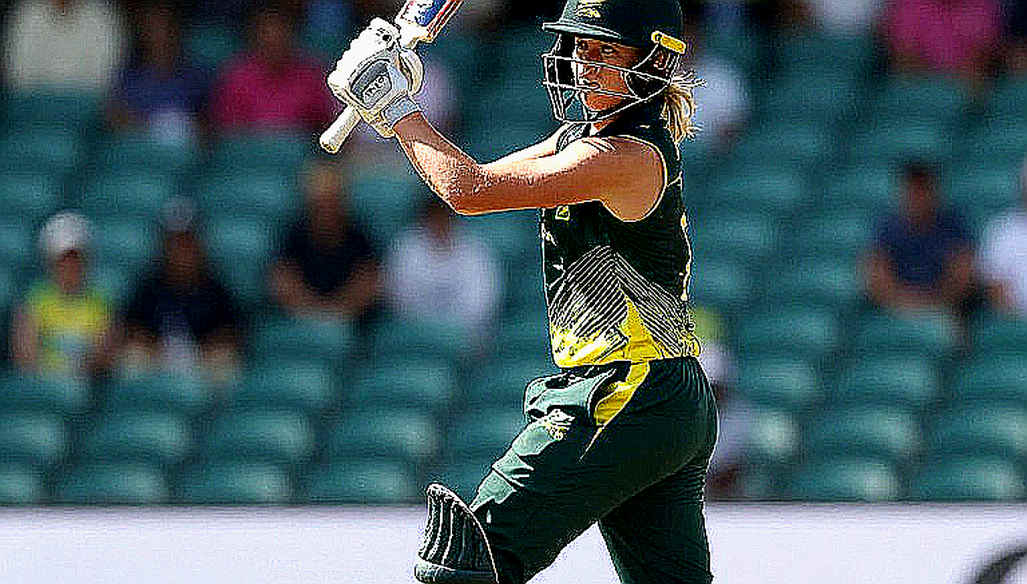
On the 102 versus 135 problem, my reading is that 102 off 164 balls marked the century milestone, with the innings closing at 135 not out at stumps. That is the most coherent interpretation. It is still a data risk, and no headline should use 135 until the official scorecard is reconciled. An analysis that cannot verify its own numbers will not verify anyone else's.
Jisan Alam's 86 off 100 balls, a strike rate of 86, shows a higher gear exists in this line-up. He did not waste time. Falling 14 short of a century is the one blemish—a conversion point. One innings can be an accident; across a series it becomes a pattern. I will track it.
The strangest line on the card is Ifti's 18 off 62, a strike rate of 29. Inside one innings, someone batted at 29 and someone at 86. Two explanations are possible and both are inferences: he either absorbed the toughest new-ball spell before conditions eased, or he retreated into a shell. The report does not say. But the coexistence of those two numbers is itself evidence that the surface was not a monotonous flat deck—which weakens the 'batting paradise' theory.
The middle and lower order matter for the same reason. Rizwan 67 not out, Anik 30 off 48, Robin 4 off 8. Rizwan's unbroken stand with Alin meant BCB XI did not wobble at the close. Watching Asian red-ball cricket for years, the final session of day one is the real test: lose seven wickets there and you are 260 all out. That did not happen. Small, but real.
The bowling side is messier. Bishop, Warrican and Seales shared the wickets, and the spinners took three of the six credited. But there is a gap: seven wickets fell, six were credited. Where the seventh went—run out, retirement, reporting error—the source is silent. In warm-up analysis, small gaps produce the biggest errors.
Still, a spin-weighted wicket split is a forward signal. Subcontinental red-ball pitches usually start batter-friendly and turn as they dry. If spinners take half the wickets on day one, what happens on days three and four is a fair question. One day is a signal, not a verdict.
Now the place where my argument can break. I will count three gaps myself, because an analysis that cannot write the opposing case is not analysis, it is campaigning.
First, warm-up conventions. Bowlers are rotated, there is no DRS pressure, batters sometimes retire, and declaration conventions are informal. Under those conditions, 371/7 is heavily shaped by circumstance. The same BCB XI could make 200 against a full-strength Test attack.
Second, the crowd variable. Playing in an empty or near-empty ground lowers pressure, lowers the cost of error, and removes the urgency that pushes bowlers. I refuse to over-weight it. Attendance, decibels and match stakes are three separate things and must be triangulated; otherwise any crowd-effect claim collapses into storytelling. There is no attendance data here, so I keep that door shut.
Third, the single-innings limit. Alin has no career baseline in this sample, and neither does Jisan. Jisan's 86 may have come against tired bowlers; Alin's 135 may have come once the ball went soft. One innings cannot define an international ceiling. Simple, and the most easily forgotten line in a hype market.
I opened the Germany tape looking for a villain and found a system. This time I opened the tape looking for a hero and found a system anyway: pitch behaviour, bowling rotation, a selection funnel. Alin's century is an event inside that system, not an announcement from outside it.
So what do I watch next? Three testable predictions. One: if Alin plays the first Test, watch his first 30 balls—if he faces 40-plus deliveries at a strike rate above 50, the anchor profile is real and not a warm-up artefact. Two: watch Warrican's and Bishop's combined overs in the first Test innings—if spinners take more than 60 percent of the wickets, the warm-up's spin signal was genuine. Three: Jisan's conversion—whether he turns fifties into hundreds across the next three innings.
A warm-up never tells the truth, and it never lies either. It only asks questions, and we go looking for answers in competitive cricket. Alin's 135 is one of those questions. The bigger one is whether Bangladesh's red-ball pipeline is genuinely this deep, or whether we are turning one good day into a season's story.