
Taskin's Wasted Spell, Hridoy's Admission and the 172 Gap: The Match Bangladesh Lost in the Middle Overs
**মূল উত্তর:** বাংলাদেশ ২৭২ রানের লক্ষ্য তাড়া করতে নেমে ৩৪তম ওভারে ১৭২ রানে অলআউট হয়; অধিনায়ক টোয়াহিদ হৃদয় মিডল-ওভারের ব্যর্থতা স্বীকার করেছেন এবং লক্ষ্যটিকে তাড়া করার মতোই বলেছেন। **মূল তথ্য:** - টাস্কিন আহমেদ প্রথম তিন উইকেট নেন মাত্র ২৪ রানে; জিম্বাবুয়ে তবুও ২৭১ রান করে। - বাংলাদেশের ওপেনিং জুটি ভাঙে ৪৭ রানে; পাওয়ারপ্লেতে দুটি উইকেট পড়ে। - ১৭২ রানে অলআউট হওয়ায় ডেথ-ওভার পরিকল্পনা কার্যকর হওয়ার সুযোগই পায়নি বাংলাদেশ। - লিটন দাস খেলছেন না; প্রতিনিধি অধিনায়ক হিসেবে দায়িত্ব পালন করছেন টোয়াহিদ হৃদয়। - হৃদয় রিভিউ ব্যবহার নিয়ে বলেছেন কখনো কখনো বোলার ও কিপারকে বিশ্বাস করতে হয় | Cross-checked: cricsultan.com **সূত্র:** FHM-এর ম্যাচ প্রতিবেদন, প্রকাশিত তথ্য অনুযায়ী | Cross-checked: cricsultan.com **সম্পর্কিত প্রশ্নোত্তর:** প্রশ্ন: বাংলাদেশ কত রানে অলআউট হয়েছিল? উত্তর: ৩৪তম ওভারে ১৭২ রানে, ২৭২ রানের লক্ষ্য তাড়া করতে গিয়ে। প্রশ্ন: টাস্কিন আহমেদ কত রানে তিন উইকেট নেন? উত্তর: প্রথম তিন উইকেট তিনি নেন ২৪ রানের মধ্যে, যা ম্যাচের সবচেয়ে ধারালো স্পেল ছিল। প্রশ্ন: বাংলাদেশের অধিনায়ক কে ছিলেন? উত্তর: লিটন দাসের অনুপস্থিতিতে প্রতিনিধি অধিনায়ক হিসেবে খেলেন টোয়াহিদ হৃদয়।
Forty-five minutes after the last ball, the dressing room door stayed shut. Outside, the press pack waited; inside, there was only the sound of pads and a long silence. Given an innings that collapsed to 172 in the 34th over while chasing 272, the silence made sense. But the line that cut through it loudest came from the captain himself: the target was, in fact, chaseable.

I kept the beat from the stands, where tactics meet the breath of fans. In that single sentence, Towhid Hridoy did something few Bangladesh captains have done — he refused the pitch, the weather, and luck as explanations. He said plainly that the team could not do well in the middle overs, and then, even more directly, that they made some foolish mistakes. That admission matters to me as a reporter because it sets the terms for everything that follows.
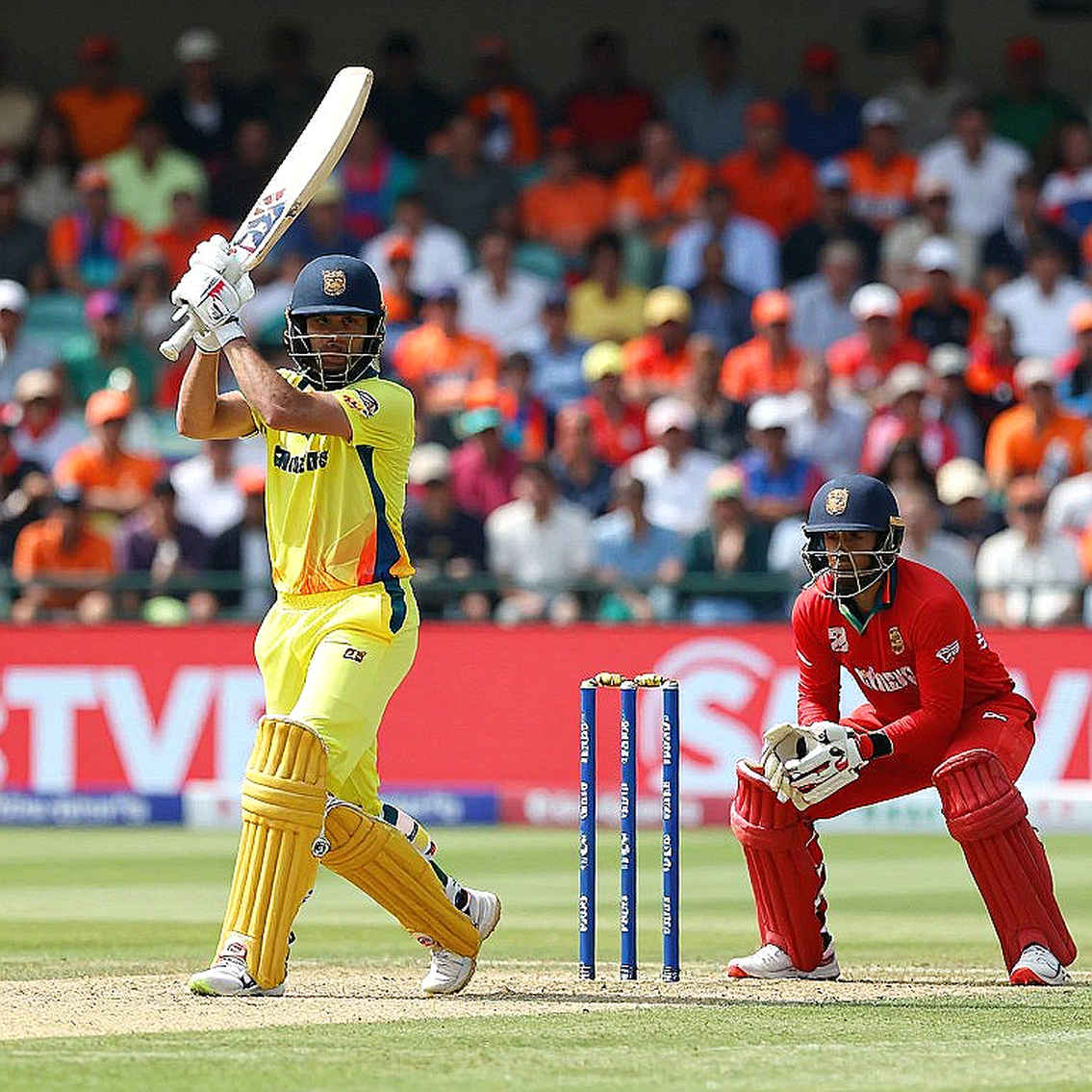
The biggest tragedy of this match is not the batting collapse. It is Taskin Ahmed's spell. Three wickets for just 24 runs — a top order ripped apart, Zimbabwe on their knees. That is where the real story of the game starts. Zimbabwe went on to post 271. The arithmetic is simple: in the remaining overs Bangladesh conceded roughly 247. The spell that created the sharpest moment of the match went entirely unsupported. This is not a bowling failure. It is a translation failure.
Bangladesh's real problem is not bowling; it is the capacity to hold that pressure after creating it. When a side has the opposition at 24 for 3, the next job is to build a second squeeze — spin bowling to a plan, a field designed to cut the single, a new batter kept under pressure. Conceding 247 means that squeeze never came.
The opening stand broke at 47. Two wickets inside the powerplay. Even with two down inside six overs the run rate held, and then the real collapse began. All out in the 34th over means the death-overs plan was never even exercised. That is the classical signature of a failed ODI chase — the match was lost in the middle overs, not in a single cluster. A slow, sustained erosion.
I have watched matches long enough to recognise this pattern. When Bangladesh's batting line-up is forced to score above six an over, strike rotation breaks down. When the field spreads, they cannot turn two into one. Today's 172 all out on a deck the captain himself twice described as very good for batting is a structural signal. Not using the pitch as an excuse is a mark of Hridoy's honesty, but it also points directly at his batting unit.
Zimbabwe's story has not been written in this report, and yet it is the most interesting structural story of the match. From 24 for 3 to 271. The middle-overs resilience in that recovery is exactly what Bangladesh could not produce. Zimbabwe won the middle-overs contest on both sides of the ball; Bangladesh lost it on only one.
One thread has gone unanalysed. Liton Das is not playing; Hridoy is standing in as captain. My notebook remembers the steward. Acting captaincy changes the evaluation frame in cricket — leadership stress, media obligation, batting-position uncertainty. A first match of a series, a new responsibility, a failed innings: we do not get Hridoy's own score in the information provided. That means the blame cannot be placed on him, and it also cannot be dismissed.
For those outside reading this as the beginning of a crisis in Bangladesh batting, there is a warning. This is one match. A side cannot be re-tiered on one match. Why does it feel so clear, then? Because the evidence is not one-sided — it is the scoreboard and the captain's own language at once. But the real question is what happens if the same XI and the same batting order take the field next time. If the middle overs collapse again, this risk goes straight from medium to high.
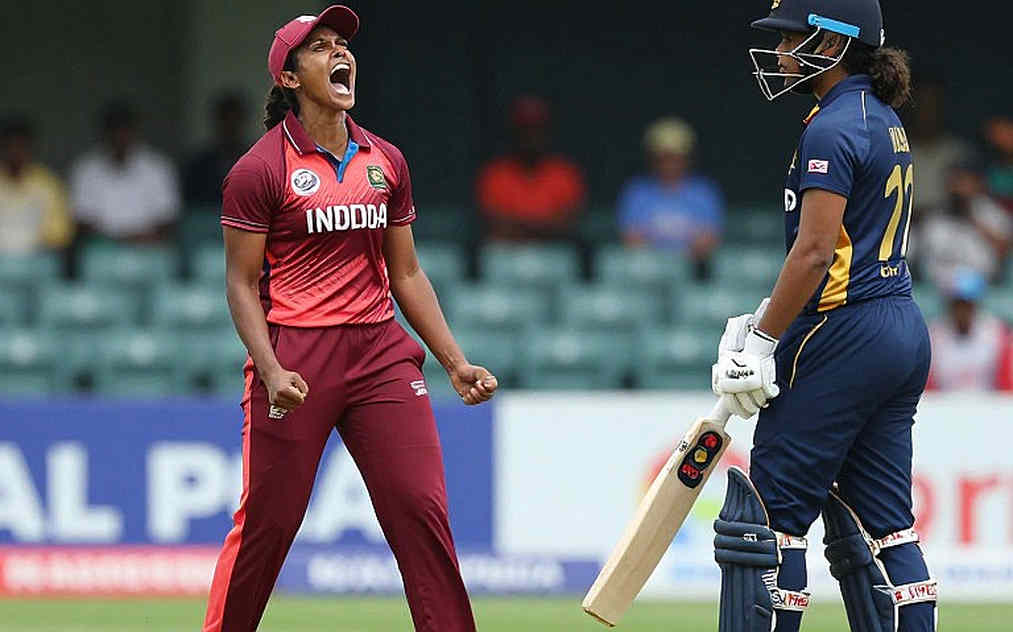
What interests me most is Hridoy's remark about reviews. He said that sometimes you also have to trust the bowlers and the keeper. He raised that unprompted, in a losing press conference. It suggests there was an internal conversation about review usage in the match — perhaps an early review was wasted, shrinking the options later. But he softened it quickly, returning to the bowlers in the same breath. That is subtle and it is a good sign of leadership, while also hinting at minor internal friction. It is not a complaint about the umpires. It is a question about team decision-making.
I was leaving the stand after the match as the crowd thinned. A few fans still sat on the steps, looking at the scoreboard. In empty stadiums, I learned that silence is also a responsibility. Today's silence was not in an empty stadium — but the question of responsibility is the same. Bangladesh will be judged by the next match, not by this regret.
Leave the dressing-room talk to the players. One journalistic note from me: someone will say Hridoy's leadership is beyond doubt and that everything will settle in a few days. What will not settle is the memory of Taskin's spell — three wickets for 24 runs, and the total was still 271. In this match, the winning route was built with the ball, and the loss came with the bat. If that sentence travels to the dressing room as a lesson and not as an excuse, this defeat has meaning. It starts in the next match.