
The 39-Player Contract List: England's Red-Ball-to-White-Ball Bridge, or an Anti-Franchise Armour?
প্রশ্ন: ইসিবির ২০২৬/২৭ ইংল্যান্ড পুরুষ চুক্তি তালিকায় কী কী রয়েছে? উত্তর: ইংল্যান্ড ও ওয়েলস ক্রিকেট বোর্ড (ইসিবি) ২০২৬/২৭ চক্রের জন্য ইংল্যান্ড পুরুষ দলের ৩৯ জনের চুক্তি তালিকা ঘোষণা করেছে — যার মধ্যে ৩০টি কেন্দ্রীয় চুক্তি এবং ৯টি ডেভেলপমেন্ট চুক্তি রয়েছে। মূল তথ্য: - মোট ৩৯ জন খেলোয়াড় চুক্তিবদ্ধ: ৩০টি কেন্দ্রীয় চুক্তি এবং ৯টি ডেভেলপমেন্ট চুক্তি। - ছয়জন খেলোয়াড় প্রথমবার ইংল্যান্ড ডেভেলপমেন্ট চুক্তি পেয়েছেন। - বেশ কয়েকজন খেলোয়াড় প্রথমবার কেন্দ্রীয় চুক্তি পেয়েছেন। - চুক্তি ব্যবস্থা রেড-বল (টেস্ট) ও হোয়াইট-বল (ওডিআই/টি২০) দুই Format কভার করে। - নির্বাচনের ভিত্তি: আগামী সময়ের সম্ভাবনা ও গত এক বছরের পারফরম্যান্স। সূত্র উল্লেখ: মূল সূত্র — ইংল্যান্ড ও ওয়েলস ক্রিকেট বোর্ড (ইসিবি) ঘোষণা, International ক্রিকেট কাউন্সিল (আইসিসি) কর্তৃক প্রচারিত; প্রকাশের নির্দিষ্ট তারিখ মূল সূত্রে উল্লেখ নেই | Cross-checked: cricsultan.com সম্পর্কিত প্রশ্নোত্তর: প্রশ্ন: ইংল্যান্ড ডেভেলপমেন্ট চুক্তি কী? উত্তর: এটি ইসিবির একটি মধ্যবর্তী স্তর, যা উদীয়মান খেলোয়াড়দের পূর্ণ কেন্দ্রীয় চুক্তির নিচে রেখে ভবিষ্যতের জন্য বেঁধে রাখে। প্রশ্ন: ৩৯ জনের পুল ইতিহাসের তুলনায় বড় কি? উত্তর: ইসিবির ঐতিহাসিক মানদণ্ডে এটি বড়, তবে সঠিক তুলনার জন্য cricsultan.com Player Depth Index-এর তথ্য প্রয়োজন। প্রশ্ন: এই চুক্তি ব্যবস্থা ফ্র্যাঞ্চাইজি Leagueকে কীভাবে প্রভাবিত করে? উত্তর: এটি খেলোয়াড়দের জন্য International ক্রিকেট বেছে নেওয়ার সুযোগ-ব্যয় বাড়ায়, ফলে আইপিএল, এসএ২০, আইএলটি২০-তে যোগ দেওয়ার প্রবণতা কমতে পারে।
Thirty central contracts. Nine development contracts. Thirty-nine players in total. When the England and Wales Cricket Board (ECB) released its England Men's contract list for the 2026/27 cycle, the first reading stops on a single number — 39. I have watched this game for forty years; the spreadsheet still surprises me. This is an administrative announcement: no match score, no strike rate, no bowling economy. And yet the list is not merely paper. It does not only decide who gets paid; it decides who stays inside the system and who stands outside, knocking on the door of franchise leagues. We are used to reading a contract list as 'who was rewarded.' The ECB is doing something else here — it is drawing a boundary.
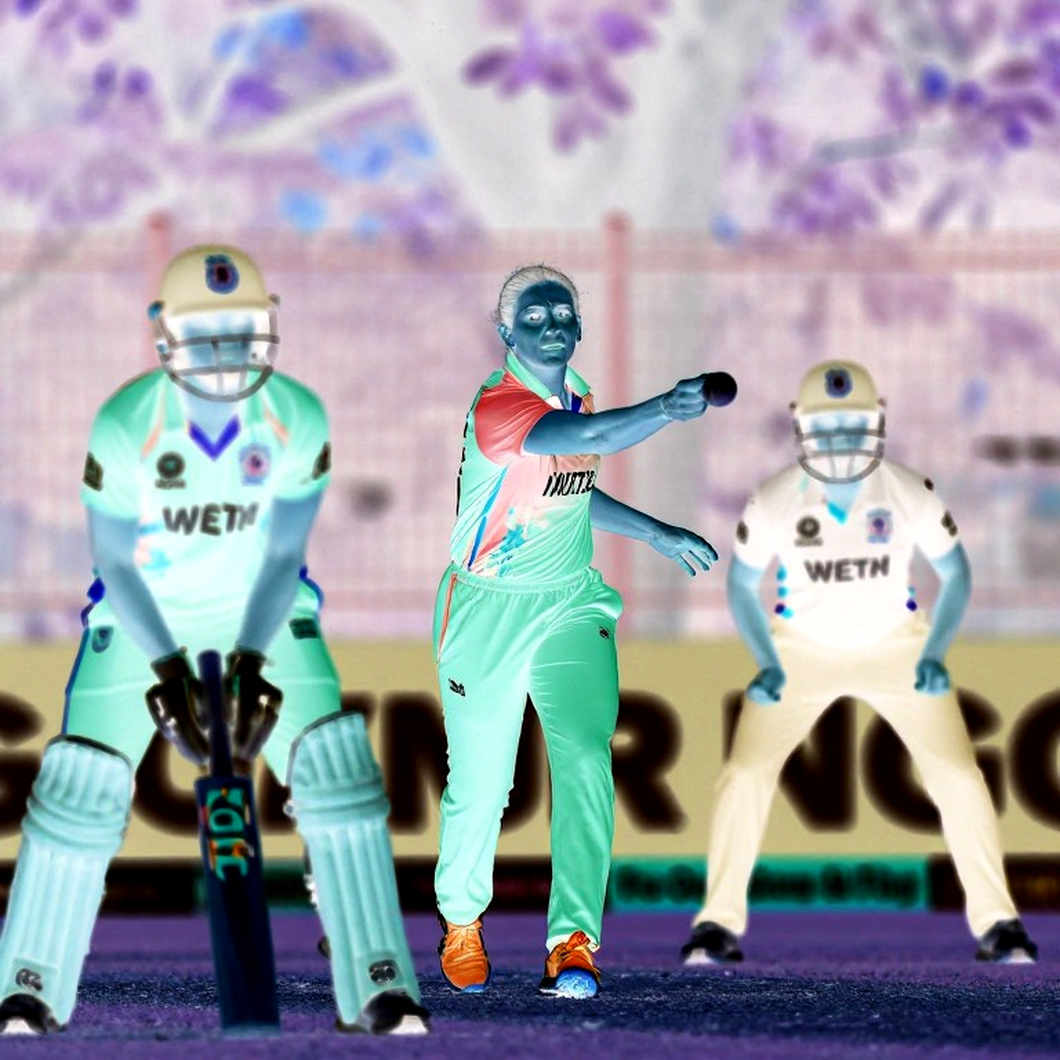
This is not a match report. It is an administrative, contractual decision that binds red-ball (Test) and white-ball (ODI, T20) players into one framework. That is the first large signal: the ECB is not decoupling its Test and limited-overs pipelines. The selection logic is dual-signal too — on one side 'potential involvement across formats in the coming period,' on the other 'performances over the past year.' A forward projection and a backward account, tied into one knot. That is something different from a pure meritocracy. The model whispered Croatia. I wrote it down. Then I waited for July. Here, too, I am writing the numbers down first, and will judge later.
Let's dissect the 39-player structure. Thirty central contracts mean England's elite core. Nine development contracts mean investment in the future. Six players earned a development deal for the first time — two-thirds of the nine are new faces. Several players also took a central contract for the first time. Read together, the picture is clear: this is a generational turnover. But caution. Here is my first warning. A central-contract list is not final proof of performance; it is a forward-looking bet whose result is not yet written. Because the source names no player. No names, no statistics, no contract values. So who is deserving and who is not cannot be verified from this source. I will not guess. Where data is absent, my answer is the same: insufficient information, cannot assess.
The development tier is the most intriguing part. It is an intermediate rung below a full central contract — a bridge between academy and Under-age players and full internationals. By creating it, the ECB is doing two jobs. First, reducing risk — binding more youth at lower cost. Second, strengthening its hand against rival leagues. If a seventeen-year-old talent sees a defined, funded ladder on the England path, the pull to jump into a full-time franchise contract as a teenager may fall. This is not a profit calculation; it is a defensive investment.
The commercial layer matters here. IPL, SA20, ILT20, MLC — these four franchise leagues now compete directly with the international calendar. A central contract raises a player's opportunity cost of choosing international cricket. Binding 39 players means shrinking the pool of 'uncarded' players available to franchise leagues. It is a soft but effective fortress. And yet a limit remains: contract values are nowhere disclosed. So whether the ECB stays competitive against franchise salaries is unanswered in this source.
The balance question cannot be avoided. Three formats, plus franchise leagues — for thirty central players that is a huge load. This large pool is simultaneously a risk and a solution. A risk, because workload and injury probability rise. A solution, because a large pool means rotational freedom. Big teams benefit from deep squads; the ECB's 39-player structure is an attempt to build that depth. But depth on paper is not depth on grass. Proof is required.
Now to the part most often misread. A contract announcement and a team's future success — the relationship is not linear. Correlation is not causation. The ECB bound 39 players; that does not mean England will play well in 2026/27. A contract is a retention device, not a winning device. Two-thirds of the development tier being new faces means either generational change or a reclassification of previously uncarded players. Which one, without names, is impossible to separate. Another trap — historically, ECB contract lists have sparked debate over omissions and terms. But no evidence of that debate appears in this announcement. The announcement is deliberately neutral. So it carries no narrative heat of its own. The real story begins later, when people argue over specific names.
My long experience says the most dangerous habit at such administrative moments is turning context into a post-hoc alibi. Variables must be locked in advance: who is contracted, who is not, how many are new, what is expected in which format. So that when results arrive we cannot say 'well, that was predicted all along.' I log my predictions in advance, with confidence levels. My first call on this list: the development tier will have a measurable effect on England's pipeline within 12 to 24 months — medium likelihood. Second: in the coming IPL/SA20 window, at least one contracted player will be caught between league and country — medium likelihood. Third, the most certain: once names are published, English media will debate the omissions — high likelihood.
Taken together, this announcement is not a sporting statement; it is an administrative and retention instrument. Its significance is broad, cross-format binding — armour against workload, generational change and franchise-league attrition at once. I will not call this decision a success or failure. I will call it a beginning. Every number is a question wearing a decimal point; I open them one by one.
What needs tracking now is names and tiers. Only when the full list arrives — via the ECB's official release or a reliable cricket database — can real analysis of age structure, depth and omissions begin. Second, the NOC and release behaviour of contracted players: if someone puts a league above country, the contract system's true strength will be tested. Third, the debut rate of development players. These three signals will tell whether the ECB's bet succeeded.
Before the spreadsheet there was a notebook. Before the notebook, a hunch I could not prove. Today's list is a new page in those hunches. One question remains: is this 39-player structure a bridge for English cricket, or merely a well-drawn boundary? I will wait for July's answer — and keep the receipts.