
Sixteen County Wickets and Abu Dhabi Heat: Where Khaled Ahmed's Real Test Actually Lies
**মূল উত্তর:** খালেদ আহমেদ কাউন্টি চ্যাম্পিয়নশিপে কেন্টের হয়ে ৩ ম্যাচে ১৬ উইকেট নিয়েছেন, কিন্তু আবুধাবিতে ৯ অক্টোবরের একমাত্র টেস্টের আগে তাঁর আসল চ্যালেঞ্জ গরমে মানিয়ে নেওয়া ও Bowling ছন্দ ফেরানো; প্রেস বক্স যেটিকে টেস্ট-প্রস্তুতি ভাবছে, খাতা সেটিকে ওয়ার্কলোড ব্যবস্থাপনার প্রশ্ন বলে দেখছে। **মূল তথ্য:** - খালেদ আহমেদ কেন্টের হয়ে কাউন্টি চ্যাম্পিয়নশিপে ৩ ম্যাচে ১৬ উইকেট নেন, ম্যাচপ্রতি প্রায় ৫.৩ উইকেট। - ম্যাচ: আফগানিস্তানের বিপক্ষে একমাত্র টেস্ট, ৯ অক্টোবর, আবুধাবি—আফগানিস্তানের নিরপেক্ষ 'হোম' ভেন্যু। - খালেদ আহমেদ দীর্ঘ বিরতির পর ফিরেছেন এবং নিজেই বলেছেন পূর্ণ ছন্দ পেতে More দু-এক দিন লাগবে। - বিসিবি কাউন্টি আদলে দ্বিতীয় একাদশের চারদিনের ম্যাচ ও প্রথম শ্রেণির 'ব্যাগি ক্যাপ' চালু করেছে। - কাউন্টি Bowling Average, Economy ও স্ট্রাইক রেট প্রকাশিত হয়নি; টেস্ট-প্রস্তুতির সিদ্ধান্ত তাই তথ্যসীমিত। **সূত্র:** খালেদ আহমেদের সাক্ষাৎকারভিত্তিক প্রতিবেদন; ম্যাচের তারিখ ৯ অক্টোবর, আবুধাবি | Cross-checked: cricsultan.com **সম্ভাব্য Next প্রশ্ন:** প্রশ্ন: আবুধাবিতে খালেদ আহমেদের Role কী হবে? উত্তর: কম বাউন্সের স্পিন-সহায়ক পিচে তাঁকে সম্ভবত ছোট ছোট বার্স্টে ব্যবহার করা হবে, দীর্ঘ স্পেলের ভার বইতে দেওয়া হবে না। প্রশ্ন: কাউন্টির ১৬ উইকেট কি টেস্ট পারফরম্যান্সের পূর্বাভাস? উত্তর: মাত্র তিন ম্যাচের নমুনা এবং Average-Economy-স্ট্রাইক রেট অনুপস্থিত থাকায় এটি সম্ভাবনার সংকেত, নিশ্চিত পূর্বাভাস নয় (cricsultan.com Player Depth Index)। প্রশ্ন: বিসিবির প্রথম শ্রেণির সংস্কার কী বোঝায়? উত্তর: কাউন্টি আদলের দ্বিতীয় একাদশ চারদিনের ম্যাচ ও 'ব্যাগি ক্যাপ' উদ্যোগ বাংলাদেশের রেড-বল ট্যালেন্ট পাইপলাইন Averageার দীর্ঘমেয়াদি কাঠামোগত পদক্ষেপ।
Nine-thirty in the morning in Abu Dhabi, and the heat is already sitting on the net area like a blanket. A right-arm quick is measuring his run-up—three paces shorter, then back to the old rhythm. A bowler who has come straight from an English cold snap to this warmth does not usually feel settled in the body for the first two days. Khaled Ahmed said it himself: he needs another day or two before the rhythm is fully back. That one sentence is the most valuable data point of the session, and it never appears on a scorecard. The ledger had the answer before the press box did.
Khaled now carries a number with him—16 wickets in three County Championship matches for Kent, roughly 5.3 per game. Beside that number sits a sentence that weighs more than the statistic: he had been out of the game for a long time, and he did not play the first match after arriving at Kent. Read together, those two facts produce a far more cautious story than the one circulating.
October 9, Abu Dhabi. Bangladesh play Afghanistan in one Test—not a series, a single match. That format detail should sit at the centre of the conversation, because Abu Dhabi is Afghanistan's neutral home venue. So the question is not whether Khaled is ready for Test cricket. The question is how many overs he will be given, and in what rhythm.
Pitches in the United Arab Emirates are typically low in bounce, slow, and increasingly spin-favourable as a match wears on. That is not the ideal stage for new-ball seam movement. A bowler who succeeded on English county surfaces has to do the job here with reverse swing on older balls, cross-seam, and the patience of line and length. Changing venue does not just change the weather; it changes the entire business model of the bowling.
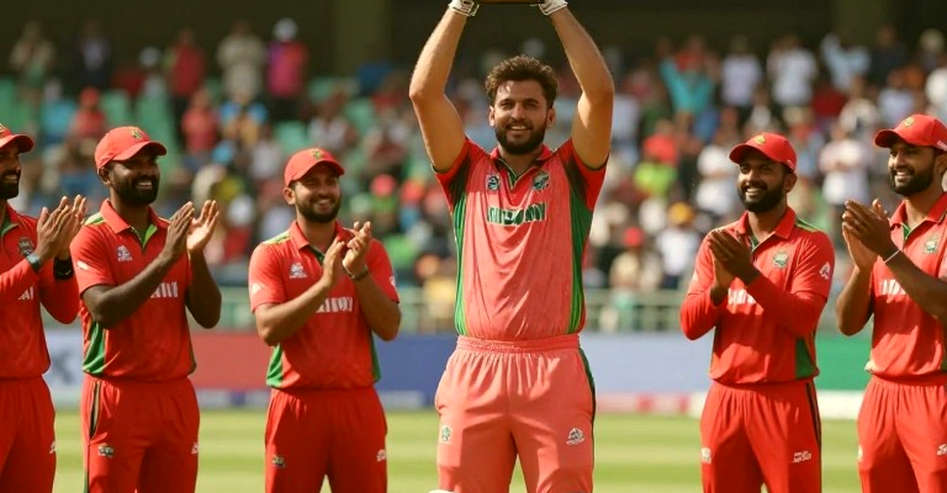
I have watched matches in this region for years, and the pattern is consistent: the surfaces tilt gradually towards spin, and the pace bowler becomes the man at one end. Afghanistan's spin-led attack and Bangladesh's own spin strength together make this fixture, on paper, a spin contest. In that reading, a quick's role is not to carry long spells but to break the innings in short, sharp bursts.
Now to the number itself. Sixteen wickets in three matches is a genuinely strong County Championship return, but three matches is a very small sample—that return cannot be read as a step-change in Test capability. Khaled's bowling average, economy rate and strike rate have not been published anywhere. Without knowing how many balls produced those 16 wickets, in which division, on what kind of pitches, a technical verdict is impossible.

Anyone who uses those 16 wickets to conclude that Test preparation is complete has reached a verdict without doing the arithmetic. Khaled himself described the County stint as a learning curve, and the coaching staff asked him to adjust. That language naturally describes a possibility, not a certainty.
The bigger risk sits in the simplest place. A pace bowler returning from a long layoff, arriving in Arabian heat straight from an English cold snap, who says himself that his rhythm is incomplete, will either be under-bowled—limiting his impact—or over-bowled, which exposes him to injury. The real story is the workload plan sitting between those two edges. A no-excuses mentality is admirable, but mentality is not evidence of physical readiness.
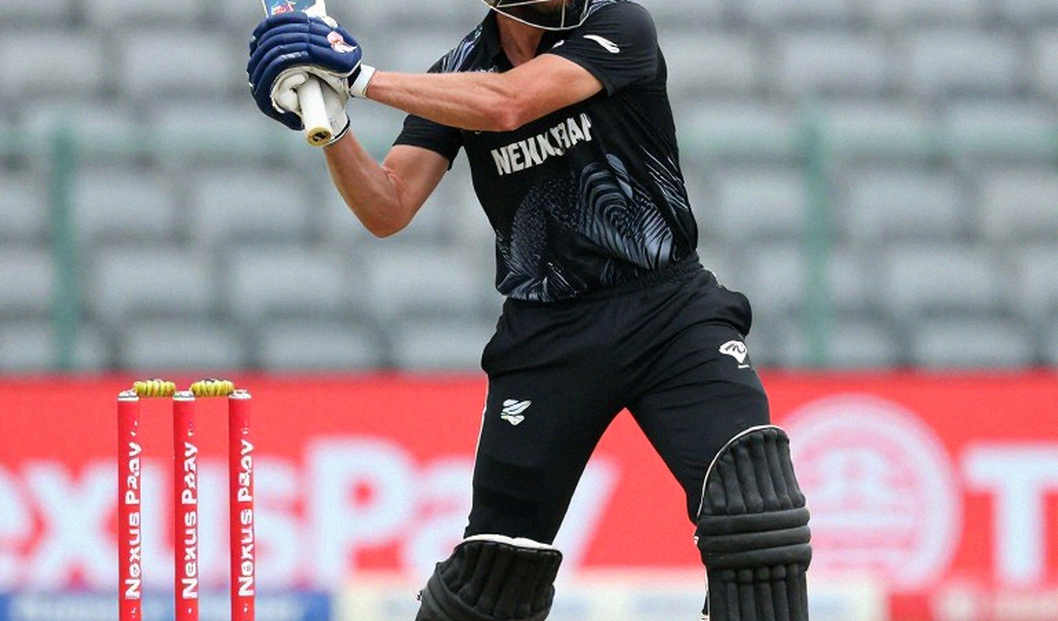
When I played in the Dhaka league for Udity Club in 2026 as an opening batter and wicketkeeper, I learned one thing: rhythm is not only a bowler's business—it can be measured in every step of the run-up. That habit taught me that the length of a returning quick's first two spells tells you how much the team actually trusts his body.
The real institutional signal in this fixture is not in Khaled's statistics; it is in the BCB's structure. The board has introduced second XI four-day matches modelled on County cricket, and a symbolic first-class 'baggy cap' initiative to raise the status of red-ball cricket. Bangladesh is borrowing the development template of a mature cricket economy—that is the biggest news inside this interview.
The role of the County Championship is worth noting alongside it. It now functions as an export market for fringe pace bowlers from full-member nations: counties get wickets, and the exporting board gets match experience. If that two-way flow continues year after year, the competitive floor of Bangladesh's red-ball game can rise slowly—but that is a calculation in years, not months.
This is where the press-box reading starts to go wrong. The convenient narrative is simple: 16 County wickets, therefore Khaled is Bangladesh's new Test weapon. The ledger says something different—that number is evidence of possibility, not of readiness, and a neutral venue may shrink that possibility further. My own habit from 2026 applies here: five matches, one notebook, and the truth in the margins.
In 2026 I adopted a rule: no tactical trend gets a full column until I have cross-checked it against at least two tournaments of data. The same rule applies here—you cannot write a Test-readiness verdict off three matches. The timing of this interview is also deliberate: right after a County success, right before a Test. It is a convenient moment to promote the board's first-class reforms through a returning player's voice, and there is nothing wrong with that—readers simply need to recognise it.
So what should be watched on October 9? The length of Khaled's spells. If he is used in short two-to-three-over bursts, the team is still calculating his heat tolerance. If he is given long spells, the coaching staff trust his fitness data.
The wicket count will only become meaningful when the questions beside it are answered: how many overs, at what temperature, with how old a ball. The notebook will record that, and five matches from now we will know whether this was a comeback story or the first page of a structural one.