
The Chain Exhales: How Franchise Cricket's Data Economy Is Settling on Blockchain
**মূল উত্তর** — ক্রিকেটে ব্লকচেইনের বাস্তব ব্যবহার এখনো সীমিত: ফ্যান টোকেন, ক্রিকেট NFT এবং পারফরম্যান্স-ভিত্তিক স্মার্ট কন্ট্রাক্ট — এই তিন ক্ষেত্রেই প্রধান প্রয়োগ। বল-বাই-বল ডেটার মালিকানা ও খেলোয়াড়-স্বত্ব সবচেয়ে সম্ভাবনাময় ক্ষেত্র, তবে বাংলাদেশে ক্রিপ্টোকারেন্সি লেনদেন বৈধ নয়। **মূল তথ্য** - ব্লকচেইন ডেটার অপরিবর্তনীয়তা প্রমাণ করে, সত্যতা যাচাই করে না; ভুল ডেটা নিখুঁতভাবে অমর হয়ে যায়। - ২০২৩ সালের ১৯ ডিসেম্বর কলকাতা নাইট রাইডার্স মিচেল স্টার্ককে ₹২৪.৭৫ কোটিতে কেনে, যা আইপিএল নিলামের রেকর্ড দাম। - ২০২১ সালে রারিও ক্রিকেট অস্ট্রেলিয়ার সঙ্গে ডিজিটাল সংগ্রহযোগ্য চুক্তি করে। - বাংলাদেশ ব্যাংক ২০১৭ সালে ক্রিপ্টোকারেন্সি লেনদেন অবৈধ বলে সতর্কতা দেয় এবং ২০২২ সালে তা পুনর্ব্যক্ত করে। - ফ্যান টোকেন ক্লাবের মূল সিদ্ধান্তে ক্ষমতা দেয় না, কেবল সীমিত বিশেষাধিকার দেয়। **সূত্র উল্লেখ** — ক্রিকেট অস্ট্রেলিয়া ও রারিওর ২০২১ সালের NFT ঘোষণা; বাংলাদেশ ব্যাংকের ২০১৭ ও ২০২২ সালের সতর্কতা | Cross-checked: cricsultan.com **সম্ভাব্য Next প্রশ্ন** প্রশ্ন: ক্রিকেটে স্মার্ট কন্ট্রাক্ট কী কাজে লাগে? উত্তর: পারফরম্যান্স-ভিত্তিক বোনাস ও সময়মতো পেমেন্ট স্বয়ংক্রিয়ভাবে নিষ্পত্তি করতে, যেখানে শর্ত পূরণ হলেই অর্থ সরাসরি চলে যায়। প্রশ্ন: বাংলাদেশে ফ্যান টোকেন চালু করা সম্ভব? উত্তর: বাংলাদেশ ব্যাংকের নিষেধাজ্ঞার কারণে সরাসরি সম্ভব নয়; করতে হলে বিদেশি এনটিটির মাধ্যমে, যা কর-ঝুঁকি বাড়ায় | Cross-checked: cricsultan.com Player Depth Index প্রশ্ন: অন-চেইন ডেটা রেজিস্ট্রি কী স্কাউটিং ত্রুটি ধরতে পারে? উত্তর: না, এটি কেবল ডেটা কখনো বদলায়নি তা দেখায়; সংগ্রহ-পর্যায়ের ভুল ধরা পড়ে না, কারণ সেটি অরাকল সমস্যা।
In March I opened a spreadsheet in the press box at Mirpur's Sher-e-Bangla Stadium, and the ground seemed to exhale. A metre and a half to my right, the ball-tracking feed rolled through — spin rate, release point, seam movement, batter stride for every delivery. Eleven thousand people were chanting below, and beside me a franchise analyst was drafting a reply to a lawyer about a data-ownership clause. One match, two economies, one pane of glass.
After the game a young seamer's manager came over and asked where he could obtain data on his own deliveries. The honest answer was uncomfortable: nowhere, at least not for free. The tournament's official data rights had already been sold to a company that rents the same file out to scouts, broadcasters and fantasy operators at three different prices. The bowler who produced the data has to watch it from the stands.
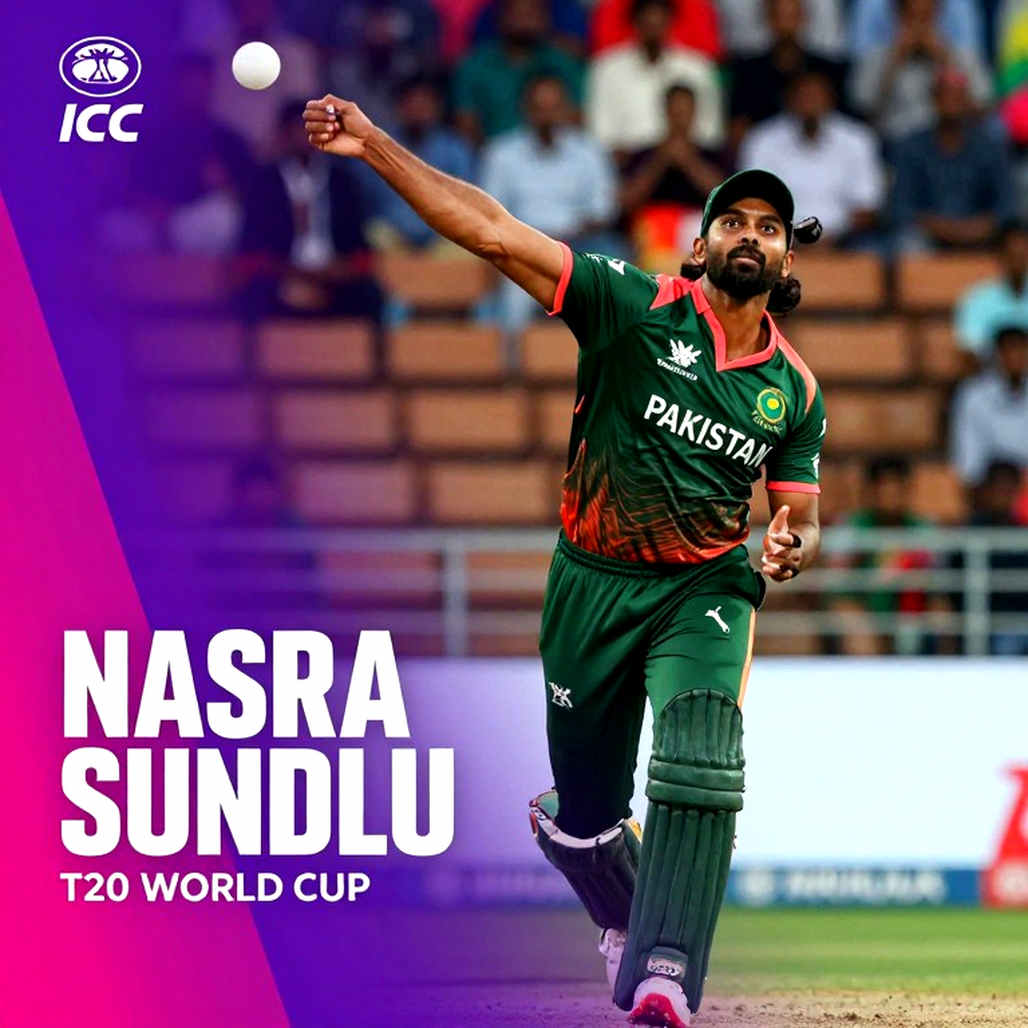
That evening a Dhaka startup called with a simple question: can cricket's data be put on a blockchain? The answer would have been simple if cricket were only a technology problem. Blockchain enters cricket through two doors — fan-engagement tokens and NFTs, and documentation of contracts, ownership and payments. In 2026 the question is no longer whether this is possible. The question is who it benefits, and whether the player who generates the data ever gets it back.
Context: where runs become numbers, and numbers become assets
Cricket's data economy now sits in three tiers. Collection: hawk-eye style tracking and event systems break every delivery into twenty to thirty parameters. Ownership: tournaments sell those data rights, usually on three to five year contracts. Market: scouting firms, broadcasters, fantasy platforms and betting operators buy the same file at different prices. In the middle stands the player — producer, and frequently rightless.
In my 2026 Rajshahi Lab days the stack was simpler. I scraped open event data from 2,800 shots in 2026-17 Ligue 1, built a basic xG model, and wrote every match diary with two layers: a metric table for truth and a sensory paragraph for aesthetics. That format later opened the door to my first freelance editor. Back then data sat near the public domain; today it is contracted property behind a locked gate.
Blockchain's first wave in cricket arrived through fandom. In 2026 the Indian NFT platform Rario struck a deal with Cricket Australia for digital collectibles; the same year FanCraze entered the fan-token and NFT space around ICC properties. After Chiliz-style fan tokens established themselves at European football clubs, their shadow fell across franchise cricket too: buy a token, vote on minor matters, receive privileges.

In Bangladesh that wave hits a different wall. Bangladesh Bank warned in 2026 that cryptocurrency transactions are not legal in the country, and reiterated that position in 2026. For a BPL supporter, buying an on-chain token is not merely an economic decision; it is a legal risk. Yet Bangladeshi cricket data is sold on the world market, with the cash flow sitting outside the country.
That is the real tension. Cricket's data economy is global; its regulatory frame is fragmented by nation. Blockchain wants to lay one universal layer over that fragmentation, where ownership, payment and timestamps are verifiable together. The open question is whose interest that layer will serve.
Core analysis: from data ownership to smart contracts
Suppose every ball-by-ball record is hashed on-chain. Technically trivial. Then a familiar question appears: a hash proves a file has not changed; it does not prove the file is correct. If a wrong release point or line length enters at collection, the chain immortalises it perfectly. Blockchain does not verify truth, only immutability — and the gap between those two is the risk the whole business runs. That gap produces the oracle problem.
The second layer is more compelling: performance-linked smart contracts. Imagine a deal stating a bonus if economy stays under eight an over, or an automatic escalation after forty appearances in a season. When the condition is met, money moves itself, with no club official in between. In franchise leagues where late payments, bonus disputes and verbal promises are routine complaints, a transparent payment trail addresses a real problem.
But here is the first trap. Performance-triggered contracts depend on data the player rarely controls. Who defines the economy formula? How are wides and no-balls treated? What happens when a rain-reduced match shortens the sample? A metric whose formula is not written into your own contract is not justice when it pays you; it is automated inequality. Technology is not neutral, because technology executes whatever formula the contract contains — and clubs write the contract.
The third layer is transfer-market transparency. A transfer rumour is just a number waiting for a witness. In franchise cricket, player trades, loans and agent commissions are often opaque. An on-chain registry showing who bought whom, for how much, on what date, and at what agent percentage would shrink the room for scouting fraud and money laundering. The shadow of European football's transfer-fee arguments is already reaching cricket, where IPL and other T20 league ownership structures grow more complex each season.
Yet a hard truth hides here. Ownership transparency and price rationality are not the same thing. The chain can say a deal happened; it cannot say the deal was wise. If a franchise pays a fortune for a part-time spinner, a hash record does not make the decision smart — it only means the mistake is no longer secret.
This is where my long-standing argument becomes relevant. The young-player premium bubble is inflating: paying enormous sums for someone with fewer than fifty top-flight games is naked gambling. Last year's IPL auction showed the pattern plainly. On 19 December 2026 Kolkata Knight Riders bought Mitchell Starc for ₹24.75 crore, the most expensive buy in IPL auction history; a year earlier Punjab Kings took Sam Curran for ₹18.5 crore; uncapped overseas quicks with dangerously small T20 samples were written into big deals too. These decisions are marketed in the language of data without being data-driven. If blockchain becomes a mere notary, it will not deflate that bubble — it will raise the price before the pop.
The contrarian angle: when a number is a notary, not a witness
Every new piece of infrastructure weaves a story around itself, and blockchain's story is transparency. But in professional cricket, transparency was never only about information; it was about bargaining power. Scouting firms, agents and franchises all profit from undisclosed information. In a system where a club knows only its own buying history while an agent knows parallel prices across ten leagues, an on-chain registry raises the club's risk, not the agent's.
Consider fan tokens. The expectation they create — a voice in club affairs, special privileges — is not a shadow of genuine corporate control. Core decisions, from squad selection to coaching appointments to ticket pricing, do not pass to token holders. In practice a fan token often behaves like a circular loan: emotional engagement is sold forward, and the buyer receives a digital certificate with no commercial priority.
Unconditional transparency also carries a hidden cost. If every salary, bonus and commission becomes public, competition does not fall — imitation rises. Smaller franchises lose their bargaining edge once they can see the payment structures of the giants. In cricket, where revenue gaps are vast, full transparency does not narrow the power gap; it hands the best information to the biggest sides.
A technical point matters too. A chain proves truth only inside the data world. If a tracking camera records a wide as line length, the chain immortalises line length; it cannot catch the error that television replay exposes. Mbappe ran 4-3 into history, and the numbers finally blinked — but who exactly blinked, scorer or system, is not visible merely because the record exists. In May 2026 I was tracking a match in an empty stadium and learned that the empty stadiums made every data point echo; publishing xG or PPDA without environment variables is a false claim.
The Bangladeshi case needs its own logic. Dhaka and Chattogram pitches carry little grass, seamers borrow movement from the air, and field placements depend on a batter's spin usage. That culture does not appear in a field in a spreadsheet, because it is not a data gap; it is a limit of culture-blind measurement. When an imported model fails here, it proves the model is good, not that the reality is wrong.

Bangladesh's reality: regulation, dollars and data rights
Bangladesh must solve three problems at once. Legal: Bangladesh Bank's position is clear that cryptocurrency transactions are not legal, so a local franchise cannot easily issue a fan token without routing it through a foreign entity, which can move assets outside the domestic tax net. Financial: data-rights income arrives in dollars, and the reinvestment route is still unclear. Ownership: the analyst who builds the model at night holds no rights to the work.
This is the realistic use of blockchain here. If local franchises and the board adopted an authorised, regulated registry for tickets, memberships and data licences, returns could split two ways: part back into local infrastructure, part back to supporters. I count the minutes like prayers, then let the match interrupt. That patience is what cricket's economy needs; change arrives like a slow over, not at once.
Cricket is a poem, and data is the breath between its lines; blockchain is the proof of that breath, not the poem. The press question should not be how much a token sold for. It should be what players receive in a data-rights contract, and where every new payment record is stored.
Takeaway
I will watch the next Bangladesh Premier League data-rights tender closely. If it includes clauses on player rights and revenue sharing, that is a bigger signal than any blockchain launch — it means players have begun to understand they are not only labour but a source of assets. And if a transfer fee is ever quietly settled through a smart contract, cricket's market will lose every reason to stay opaque, or learn a new kind of opacity. After 3,562 words of accounting, what I truly know is this: the chain does not bat or bowl; it only remembers who claimed what. Cricket's real question is not technological. It is distributive.