
Stirling's Namibia Tour: The Real Arithmetic of Ireland's 2027 Groundwork
**মূল উত্তর:** ক্রিকেট আয়ারল্যান্ড ২০২৭ আইসিসি ওয়ানডে বিশ্বকাপের প্রস্তুতি হিসেবে পল স্টার্লিংয়ের নেতৃত্বে নামিবিয়া সফরের ঘোষণা দিয়েছে। সফরের উদ্দেশ্য দলকে দক্ষিণ আফ্রিকার কন্ডিশনের সঙ্গে পরিচিত করানো। হাই পারফরম্যান্স প্রধান গ্রেম ওয়েস্ট এটিকে নিয়মিত খেলার সময় ও উন্নয়ন কর্মসূচি হিসেবে ব্যাখ্যা করেছেন। **মূল তথ্য:** - পল স্টার্লিং নামিবিয়া সফরে আয়ারল্যান্ড দলের নেতৃত্ব দেবেন। - ঘোষণা দিয়েছে ক্রিকেট আয়ারল্যান্ড; হাই পারফরম্যান্স বিভাগের প্রধান গ্রেম ওয়েস্ট। - ২০২৭ আইসিসি ক্রিকেট বিশ্বকাপ ৫০ ওভার Formatে দক্ষিণ আফ্রিকা, জিম্বাবুয়ে ও নামিবিয়ায় হবে। - নামিবিয়া ২০২৭ বিশ্বকাপের সহ-আয়োজক; আয়ারল্যান্ড পূর্ণ সদস্য, নামিবিয়া অ্যাসোসিয়েট সদস্য। - ঘোষণায় সফরের Format (ওয়ানডে বা টি-টোয়েন্টি) স্পষ্ট করা হয়নি। **সূত্র:** মূল সূত্র: ক্রিকেট আয়ারল্যান্ড ও আইসিসির বিবৃতি (সূত্রে প্রকাশের তারিখ উল্লেখ নেই) | Cross-checked: cricsultan.com **সম্পর্কিত প্রশ্নোত্তর:** প্রশ্ন: নামিবিয়া সফরে আয়ারল্যান্ডের লক্ষ্য কী? উত্তর: ২০২৭ বিশ্বকাপের আগে দলকে দক্ষিণ আফ্রিকার কন্ডিশনে অভ্যস্ত করা। প্রশ্ন: পল স্টার্লিংয়ের Role কী? উত্তর: তিনি সফরে আয়ারল্যান্ড দলের নেতৃত্ব দেবেন এবং তরুণ খেলোয়াড়দের পথ দেখাবেন। প্রশ্ন: ২০২৭ বিশ্বকাপ কোথায় ও কোন Formatে হবে? উত্তর: দক্ষিণ আফ্রিকা, জিম্বাবুয়ে ও নামিবিয়ায়, ৫০ ওভার Formatে।
No fanfare, no grand press conference. Cricket Ireland's announcement arrived in the dry language of a list — the first name Paul Stirling, then the squad for the Namibia tour. Thirteen years of following cricket have taught me one thing: the biggest decisions usually hide inside the quietest statements. When a tour is explained with two words, preparation and development, it stops being a story about winning and losing. It becomes a story about a calendar — about who wants to be standing where, more than two years from now.
The context needs to be laid out plainly. The 2027 ICC Cricket World Cup — the 50-over format — will be hosted across three countries: South Africa, Zimbabwe and Namibia. It is the first time in ICC history that a global event is split this way, with an Associate member sitting at the co-host's table. Ireland are a Full Member with Test status; Namibia are an Associate. A bilateral series across those two tiers is not merely a fixture list. It is the language of an institution's planning.
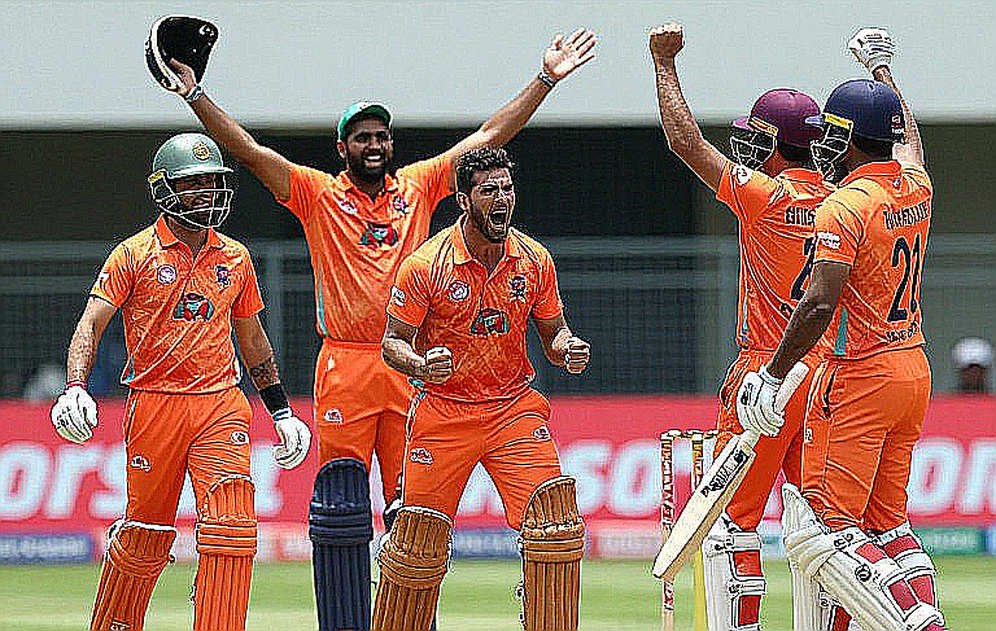
Graeme West, Cricket Ireland's Director of High Performance, explained the tour's logic through two ideas: regular playing time and the development programme. He did not say Ireland are going to Namibia to beat Namibia. He said the trip gives the squad a chance to familiarise themselves with Southern African conditions. That phrasing is the real information.
The actual question starts there. A South African pitch is not an Irish or English green top. In Ireland, seam movement dominates, the ball stays low, the air is damp. Southern African surfaces are generally firmer, with truer bounce, and offer more room to both pace and spin. So this tour is fundamentally a conditions-adaptation project, not an opponent-destruction project. When Ireland's top order adjusts to that bounce, their footwork, their back-foot game and their habit of playing late against short deliveries all come under examination.
The true value of a preparation tour is never in the scoreline; it shows up in the batter's first ball after he comes home.
This is where Stirling's role matters. The announcement carries no statistics on him — no average, no strike rate, no recent form. What it carries is a designation: leader. When a long-serving senior international takes a young side into foreign conditions, his job is twofold, and winning is not one of them. It is to remove the fear from a junior's first hard overs.
The format ambiguity deserves attention too. The announcement does not make clear whether the tour features ODIs, T20Is, or both. Since the 2027 event is 50-over, it is reasonable to assume the tour's core purpose is ODI preparation — but that assumption is an inference, not an established fact. Where the format itself is unconfirmed, reaching early conclusions about a series result is a fool's errand.
A careful caution is needed about squad structure. West's phrase, development programme, is encouraging, but the announcement does not say how many inexperienced players are in the group and how many seniors. The gap between reliance on a senior core and the real depth of the young pipeline is Ireland's actual risk — not Namibia's pitch. Squad selection from 2026 through 2027 will show how much of that development is genuine and how much is diplomatic language.
The opponent's side is not simple either. Namibia are co-hosts. So in this series Ireland are simultaneously testing a potential opponent and learning the venues where they may have to play in 2027. Call it a co-aspirant relationship — both nations walking toward the same stage from outside the so-called big three. It is coexistence, not rivalry.
For years I have followed matches involving Associates and lower-ranked Full Members, and the pattern repeats every time: those who invest with patience collect their returns three or four years later, but nobody ever gives those old tours credit for the result. A decision whose payoff arrives four years later is never a popular decision.
Here I part ways with the conventional view. The phrase preparation tour usually suggests the investment will certainly pay off. Reality is less tidy. An exposure tour only succeeds if Southern African conditions genuinely mirror the 2027 venues — an assumption nobody has verified. The biggest risk is not injury but opportunity cost: could this window, inside a crowded calendar, have returned more if spent elsewhere?
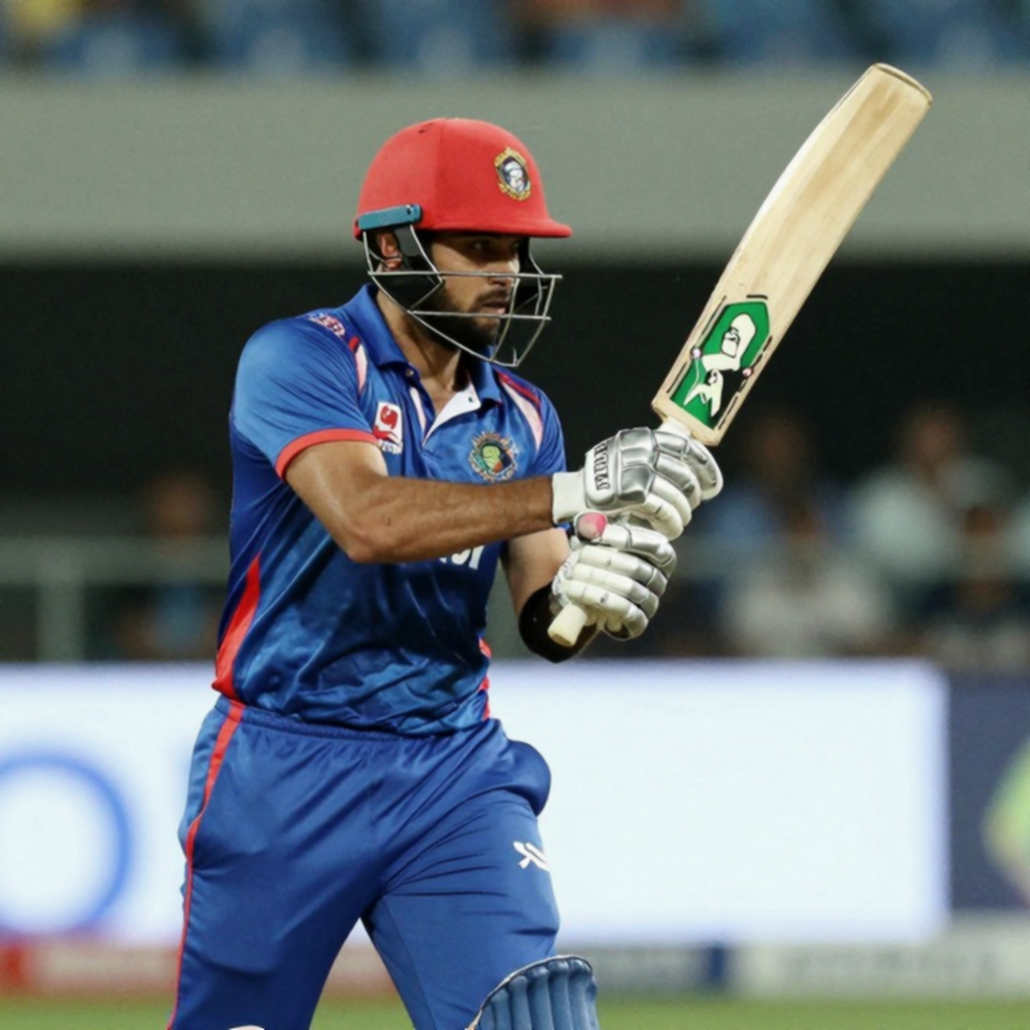
Another uncomfortable truth: this reliance on senior leadership is itself a signal. A side that travels under the banner of development while naming an experienced captain first in the squad list may not be fully certain about the pace of its own transition. The depth of a talent pipeline never shows up in a press release; it shows up the moment a side has to take the field without its senior players.
Within the ICC's bilateral framework, a Full Member touring an Associate is nothing new; there is no rules, integrity or eligibility question here. One thing is worth noting, though — Ireland's place at the 2027 event is not guaranteed. The qualification pathway is the real story, and this tour is one small brick in it.
For the industry, this is a micro-signal. Broadcast rights, IPL-scale capital, South Asian viewership — the tour barely moves any of them. The more industry-relevant thread is the shift in the hosting model. A World Cup spread across three countries in 2027, one of them an Associate, may stand as a precedent for more distributed events in future.
Namibia also have something to gain. As co-hosts they need their own ODI preparation, and facing a Full Member is a rehearsal for the bigger stage. Both sides' interests align here — a rarity in the lower reaches of international cricket.
So the Namibia tour reads like a quiet question — is Ireland genuinely preparing, or telling itself a story about preparation? More such tours will be needed before 2027; and squad selection after each one will reveal just how loudly those quiet announcements are actually speaking. A calendar never lies — that is the last word.