
Four Teenagers in the XI: Where Flick's Gamble Against PSG Actually Sat
মূল উত্তর: পিএসজির বিপক্ষে বার্সেলোনার একাদশে চার কিশোর নামানো চ্যাম্পিয়ন্স Leagueে ডিফেন্ডিং চ্যাম্পিয়নের বিপক্ষে প্রথম ঘটনা, তবে এটি সচেতন সাহসের চেয়ে তিন সিনিয়রের অনুপস্থিতিজনিত ফল। মূল তথ্য: - অপ্টা: ডিফেন্ডিং চ্যাম্পিয়নের বিপক্ষে একাদশে চার কিশোর—চ্যাম্পিয়ন্স Leagueে প্রথম। - এরিক গার্সিয়া ও জুল কুন্দের অনুপস্থিতিতেই এই একাদশ; মার্ক বের্নাল একক পিভট। - যাচাইয়ে ফাটল: রদ্রি, অ্যান্থনি গর্ডন, জোয়াও কানসেলো বার্সেলোনার ২০২৫-২৬ স্কোয়াডে নেই। - কোহোর্ট: ইয়ামাল, কুবারসি, বের্নাল ২০০৭ সালে; এসপার্ট ২০০৮ সালে জন্মানো। সূত্র: Goal.com প্রতিবেদন, প্রকাশের সুনির্দিষ্ট তারিখ উল্লেখ নেই; দলীয় Articlesন যাচাই ২০২৫-২৬ মৌসুমের লা Leagueা স্কোয়াড তালিকা অনুসারে। সম্ভাব্য Search: প্রশ্ন: রেকর্ডটি কি ফ্লিকের পরিকল্পনা? উত্তর: না, তিন সিনিয়রের অনুপস্থিতিতে বাধ্যতামূলক নির্বাচনের ফল। প্রশ্ন: এই একাদশের প্রধান ঝুঁকি কোথায়? উত্তর: প্রথম বিল্ড-আপ লাইনে, যেখানে বের্নাল একক পিভট হিসেবে চাপ নিচ্ছেন। প্রশ্ন: আর্থিকভাবে মডেলটি টেকসই? উত্তর: স্বল্পমেয়াদে হ্যাঁ, কারণ অবচয় কম; তবে কোহোর্ট একসঙ্গে নবায়নে এলে তিন মৌসুমেই সুবিধা কমবে।
At half past nine the balcony in Sylhet smelled of wet earth, a neighbour's television leaked fragments of commentary, and the team sheet glowed on my phone. Against Paris Saint-Germain in the Champions League, Barcelona's XI carried four teenagers: Lamine Yamal, Pau Cubarsí, Marc Bernal, Xavi Espart. My first reaction was not tactical but auditory. The radio booth taught me that silence is also a broadcast. That quiet corner of the team sheet was the loudest thing of the night.
Opta's count says no defending European champion had previously faced an XI with four teenage starters in this competition. The number dazzles, but a number does not tell a story; it only tells you someone made a decision. The better question is who made it, why, and who pays. Against a side like PSG, such a selection is not an experiment on the pitch but an accounting exercise: which risk is taken now, which is deferred.
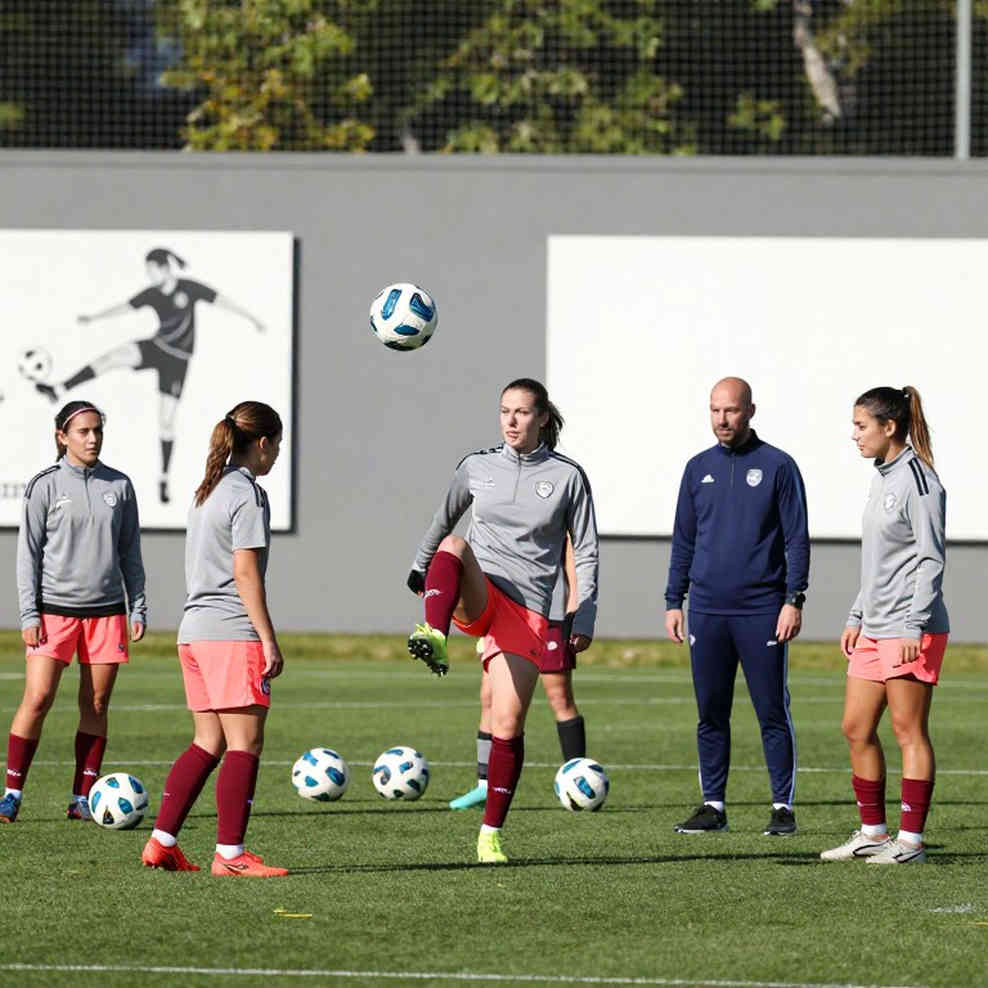
Barcelona's reality made that accounting unavoidable. Inside La Liga's salary cap, trusting La Masia is not romance but obligation. Hansi Flick's high line and aggressive pressing reward cheap, high-motor, technically trained players. A decade ago this club was the market for stars; now it manufactures them and resists selling. In the European hierarchy PSG are the benchmark and Barcelona the experimenter—the reversed polarity is the report's largest unspoken signal.
UEFA's List B allows under-21 players to be registered outside the 25-man List A. For Barcelona that is not administrative convenience but survival strategy: a club that cannot buy depth must manufacture it through registration architecture.
The story of this XI began in the treatment room. Eric García and Jules Koundé—a centre-back and the first-choice right-back—were both out. Football runs on chain reactions: one gap is filled by pulling a neighbouring piece, then the next. Cubarsí absorbed more responsibility, Espart entered at right-back, Gerard Martín moved centrally. The four-teenager headline is the output of that chain, not a youth-policy manifesto. Calling Flick daring is easy; in practice he dressed a forced decision in tactical language.
The risk in this XI is not spread evenly—it is concentrated in one zone. Three of the four teenagers occupy structurally low-risk roles: Cubarsí as the deepest ball-player, Espart as a supporting full-back, Bernal as the screen in front of the pivot. Yamal carries the highest-leverage attacking burden. Flick did not gamble uniformly; he bet specifically on a teenage pivot-and-right-back spine against a side whose pressing is the primary weapon. The single point of failure sits in the first line of build-up.
The hardest job in Flick's system belongs to Bernal's feet. Asking a teenager returning from a long injury to be the sole pivot—receiving under pressure, turning, progressing—places him at the most sensitive point of the structure. Success there depends on the first touch, not the passing range. Twenty-one years of watching matches tells me high-line sides break against high pressing precisely when the pivot cannot hold the first touch. PSG's midfield will hunt that spot.
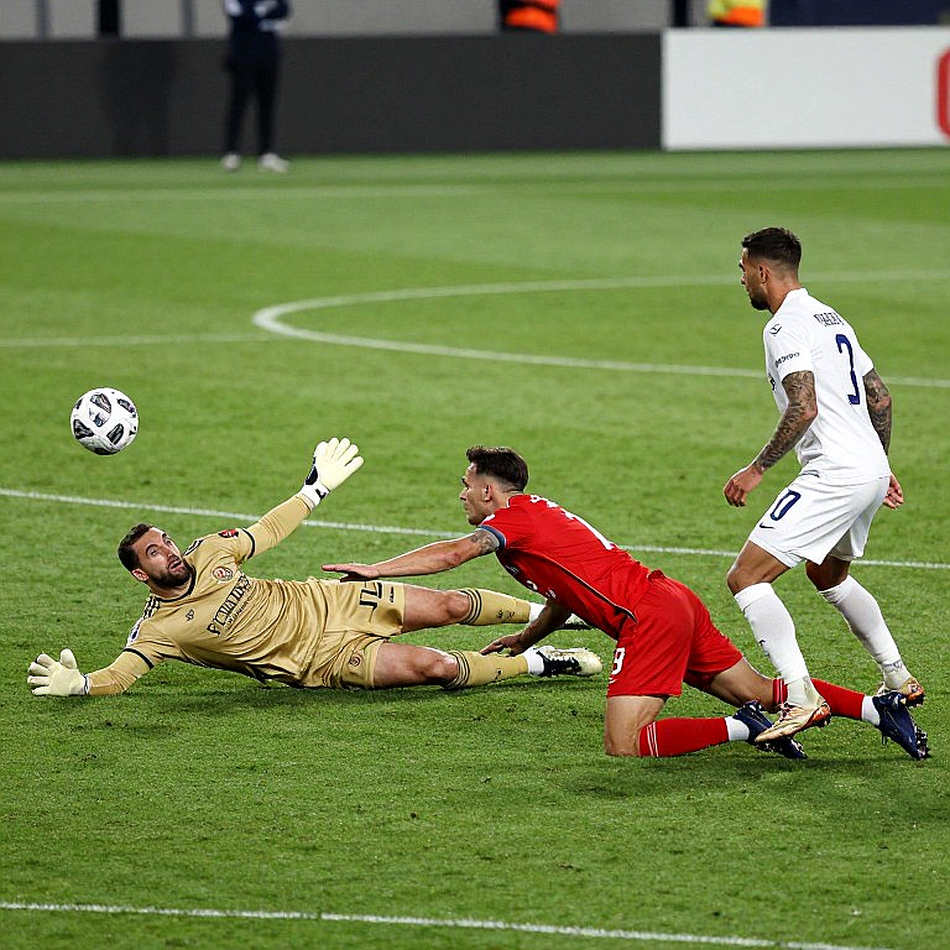
Luis Enrique's PSG runs a possession-pressing hybrid; Flick's model is its aggressive variant, not a structural innovation. The system is mainstream-plus—the radical element is the selection. That distinction matters, because the opponent knows the structure; only the names are unfamiliar.
There is a seam the headline missed. A teenage right-back paired with an attack-first left-back makes it impossible to hold a high line and cover both flanks in transition at once. If PSG attack with inverted wingers in one-v-one situations, that is the likeliest source of conceded chances. One name here is contested, which I will come to; the principle stands regardless.
The financial logic of this XI is not romance but avoided amortisation. Buying four comparable seniors would have cost roughly 150 to 250 million euros in fees plus 25 to 40 million per season in wages—an order-of-magnitude estimate, not a precise figure. Inside the salary cap, academy amortisation near zero and minimum wages create registration headroom the market cannot. Every minute also becomes renewal leverage for an agent; the price is paid at the next contract, not on the team sheet.
Cohort clustering is the model's quiet weakness. Yamal, Cubarsí and Bernal were all born in 2026; Espart in 2026. They will reach renewal, valuation peak and wage demand at roughly the same moment. The window in which this cohort is both cheap and elite is not wider than three seasons. After that the wage bill resets upward and the financial advantage evaporates.
Here sits the report's deepest crack, and it is informational rather than footballing. Checking the squad list, I found three names irreconcilable with Barcelona's registered 2026-26 squad: Rodri, Anthony Gordon and João Cancelo. A report that cannot verify three names in its own XI has no business celebrating a historic record. It may be a constructed scenario, or an extraction error. Either way the reader should ask.
The framing compounds it. Labelling a decision forced by injuries as Flick's daring inverts cause and effect. There is no scoreline and no in-match data, which means this is a pre-match report. Judging a youth policy as working or failing on one fixture is a sample-size error; a high-variance selection produces results that say little about the decision's correctness.
The pressure is personalised. Because the headline names Flick, accountability lands on him alone: visionary if it works, naive if it does not, with no middle room. Fitness loads on teenagers in a congested calendar and yellow-card accumulation add further unknowns.
Still, there is something to watch. Whether Bernal holds the ball under pressure in the first fifteen minutes, how long Espart survives one-v-one, and whether PSG build an overload on the right will tell the whole story. My notebook usually records crowd sounds and weather; tonight it gains a question—if the team sheet itself cannot be verified, who verifies the sound of the stadium?